



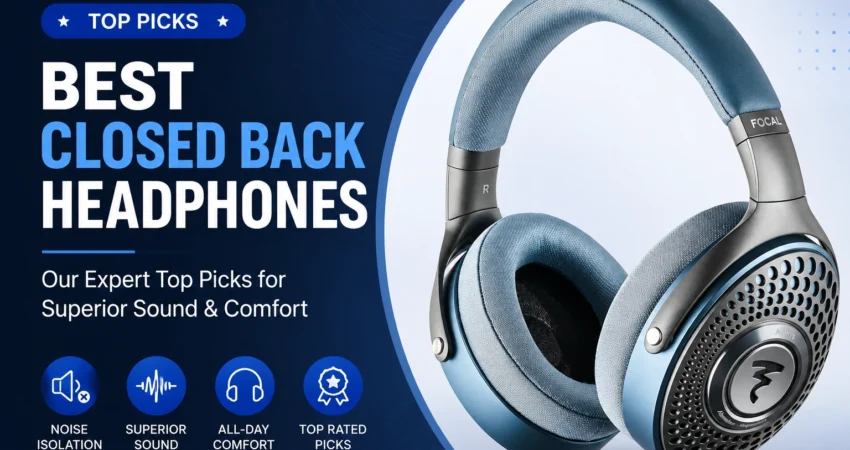
There’s a reason closed-back headphones remain the default for most buyers, even as open-back designs attract audiophile attention. Closed backs do something open backs simply can’t: they keep your music in and the outside world out. Whether you’re commuting, working in a shared office, recording vocals, or just trying to listen without disturbing your family at midnight, closed-back headphones solve a real problem.
But buying the wrong pair is easy. Too many buyers get drawn into spec sheets and ignore what actually matters during a six-hour listening session—clamping force, heat buildup, ear fatigue, or how the pad material ages over two years of daily use. Others obsess over “soundstage” without understanding that not all closed backs sound equally constrained, and a few genuinely defy expectations in that department.
This guide covers the best closed-back headphones available right now, across every meaningful price point and use case. Whether you need studio headphones for tracking, wireless closed-back headphones for your commute, an audiophile pair for late-night listening, or simply the best bang for your budget, you’ll find a concrete recommendation here—and the reasoning behind it.
Quick Comparison Table
| Headphone | Best For | Type | Key Strength |
|---|---|---|---|
| Focal Azurys | Overall / Daily Use | Wired | Focal driver quality at mid-fi price |
| Dan Clark Audio E3 | Premium / Audiophile | Wired | Best soundstage in any closed back |
| Focal Bathys | Wireless Audiophile | Wireless ANC | Audiophile sound with ANC |
| Beyerdynamic DT 1770 Pro MKII | Studio / Recording | Wired | Reference accuracy, fully repairable |
| AKG K371 | Budget Studio | Wired | Harman-curve tuning, outstanding value |
| Sennheiser HD 620S | Music Lovers | Wired | Widest soundstage in a closed back |
| Sony WH-1000XM6 | Travel / Commute | Wireless ANC | Best-in-class active noise cancellation |
| Meze 99 Classics | Comfort / Home Listening | Wired | Featherweight comfort, beautiful build |
| Sivga SV021 | Hidden Gem | Wired | Real wood, surprisingly wide soundstage |
Our Top Picks
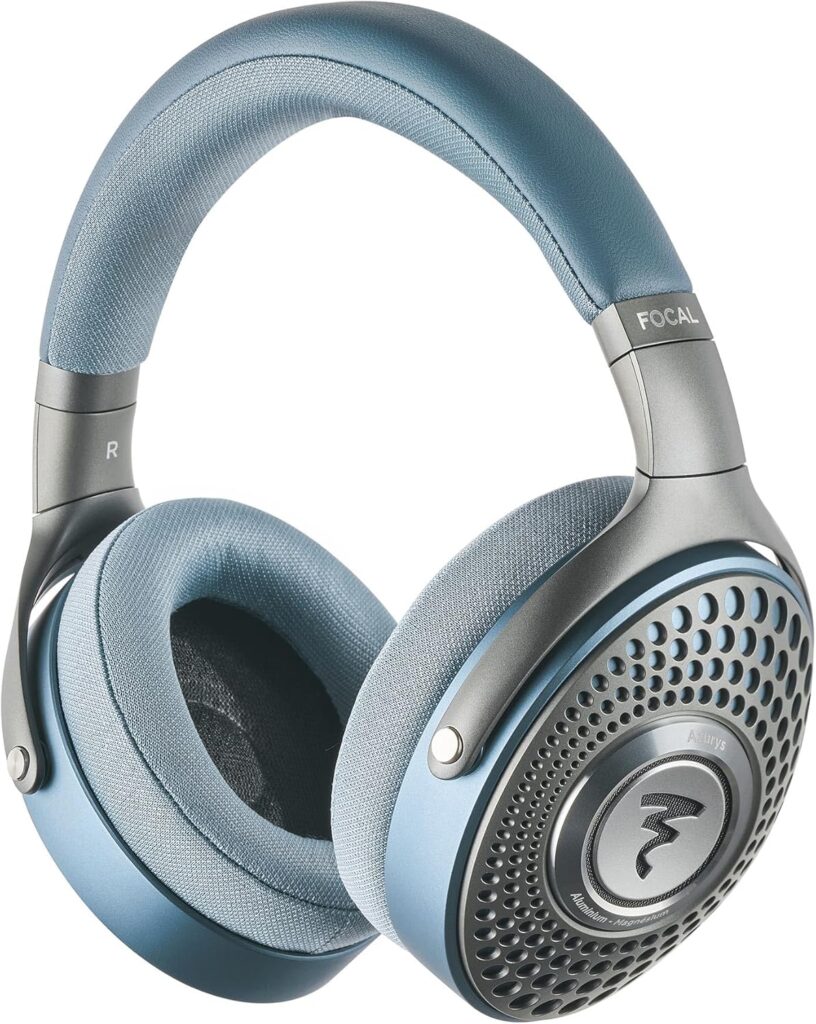
Best Closed Back Headphones Overall — Focal Azurys
 Check Price on Amazon
 | Wired | 26Ω impedance | 40mm Aluminum/Magnesium M-Shaped Dome driver
Overview
Focal has been hand-engineering loudspeakers and headphone drivers in France since 1979. When they release something in the sub-$600 space, it carries genuine trickle-down technology from their flagship lines. The Azurys, launched in 2024, is a compact closed-back that shares its 40mm aluminum/magnesium “M-Shaped Dome” driver with the more expensive models in their range—a driver architecture that has consistently produced some of the most detailed and dynamic sound signatures in headphone audio. At 26 ohms, it’s easy to drive from a phone, laptop, or DAP without an external amp.
What We Like
The sound is the main event. Reviewers consistently describe it as balanced but lively—detailed mids, refined bass, and a treble that adds air without crossing into harshness for most listeners. Uniquely among closed backs in this tier, multiple independent reviewers note that its soundstage feels surprisingly open, approaching the spaciousness of open-back designs. Build quality matches Focal’s reputation: the magnesium shell earcups, breathable textile headband, and memory foam ear cushions feel premium. Earpads are user-replaceable and compatible across several other Focal models. The three-year warranty is exceptional at this price.
Potential Drawbacks
The treble leans slightly bright—Focal’s house sound favors clarity over warmth, and listeners who prefer a relaxed, darker signature (think Audeze or Meze) may find these tiring after long sessions. The included cable is functional but not luxurious. The 1.8m cable length is designed for portable use, which limits desktop listening unless you extend it.
Sound Signature
Balanced/reference-leaning with mild bass lift and elevated lower treble. The bass is detailed rather than bloated—you hear bass lines instead of just feeling them. Midrange is intimate and revealing. It’s not V-shaped; it’s the kind of tuning that works equally well for jazz, classical, acoustic, and vocals.
Comfort
Memory foam ear cushions and a breathable braided fabric headband minimize heat buildup during long sessions. Clamp force is moderate—firm enough for a seal, not so tight it becomes painful. The 306g weight is on the lighter side for this class.
Build Quality
Magnesium earcup shells, textile-covered headband and inner cushion padding, and metal frame construction. The swivel cup design is shared with the Bathys and is engineered for on-the-go use. Earpads from the Bathys, Bathys MG, Hadenys, and Azurys ranges are cross-compatible.
Noise Isolation
Passive isolation is solid for office, home, and light transit use. It won’t match the near-zero-leakage of studio-grade cans, and the fabric pads breathe slightly—which helps with comfort but means very loud environments will still bleed through somewhat.
Who Should Buy It
Music lovers, home listeners, and WFH users who want genuinely high-quality, detailed sound from a brand with a proven engineering pedigree. The Azurys is excellent for anyone stepping up from consumer headphones into the audiophile tier for the first time.
Who Should Skip It
Those who want maximum bass, the warmest possible signature, or prioritize isolation above all else. If you’re in loud recording environments or noisy open-plan offices, dedicated studio cans like the DT 1770 Pro MKII isolate better.
Best Premium Closed Back Headphones — Dan Clark Audio E3
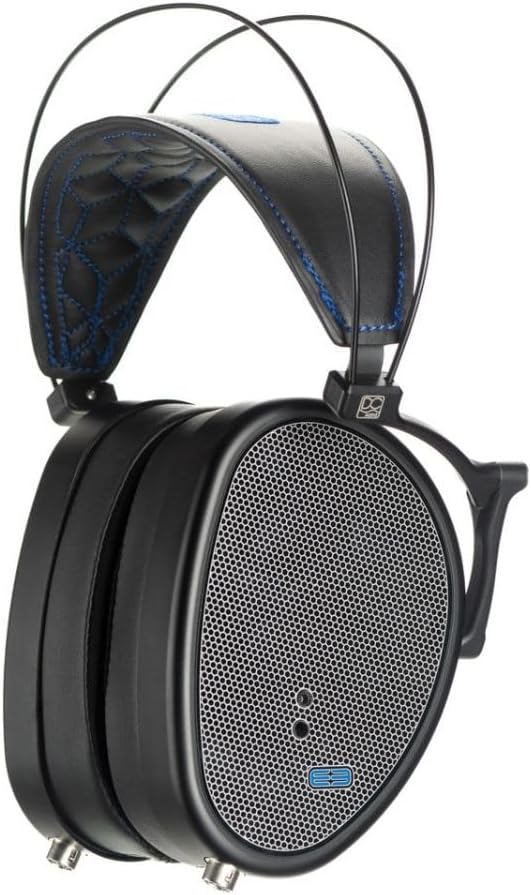
| Wired | 27Ω | Planar magnetic, 5th-gen driver with AMTS
Overview
This is the headphone that keeps showing up in conversations where the question is “what’s the absolute best closed-back regardless of budget?” The Dan Clark Audio E3 uses a 5th-generation planar magnetic driver combined with DCA’s patent-pending Acoustic Metamaterial Tuning System (AMTS)—a 3D-printed acoustic filter placed between the driver and the ear that shapes the frequency response and spatial presentation in ways traditional tuning can’t match. The result is something genuinely unusual: a closed-back headphone that produces soundstage depth and holographic imaging that rivals—and occasionally beats—open-back headphones at similar prices.
What We Like
The soundstage depth is the standout. Head-Fi and professional reviewers alike describe it as “jaw-dropping” for a sealed design, with three-dimensional imaging and height that most open-backs don’t achieve. The midrange has exceptional weight and body—instruments have a density and presence that feels musical rather than analytical. Timbre is accurate and natural. At 455g the E3 is substantial but balances well on the head, and the self-adjusting suspension headband distributes weight evenly over long sessions. The Gorilla Glass 3 earcup panels add durability without significant weight penalty. It comes with a premium VIVO cable and a well-organized hard case.
Potential Drawbacks
At 27 ohms and ~90 dB/mW sensitivity, the E3 is harder to drive than the spec sheet implies. Most audio interfaces will not provide sufficient power to run these at their best—you need a capable dedicated headphone amplifier, which adds cost. The price is $1,999 before you factor in a quality source chain. The sound signature, while technically extraordinary, leans neutral-to-warm; those wanting a brighter, more energetic presentation may prefer a different tuning philosophy.
Sound Signature
Warm, smooth, and exceptionally three-dimensional. Extended bass with control and texture. Mids with outstanding body and instrument separation. Highs that are detailed and present without a hint of harshness. Not the most “exciting” presentation for pop or EDM—this headphone rewards complex, well-recorded music.
Comfort
The folding, self-adjusting suspension headband is one of the most comfortable designs in closed-back audio. The earpads are soft and deep enough to fully enclose most ears. Long listening sessions are genuinely comfortable, though the weight—460g without cable—is something to factor in.
Build Quality
DCA’s compact folding chassis, Gorilla Glass 3 panels, and premium cable construction. The E3 is designed to be a portable premium headphone, though “portable” is relative at this price and power requirement.
Noise Isolation
Excellent passive isolation—among the best of any audiophile-grade closed back. The sealed design is tight enough for use in semi-loud environments like offices or cafés.
Who Should Buy It
Audiophiles who have explored the mid-fi tier and want a genuinely end-game closed-back experience. Mixing and mastering engineers who want the most accurate spatial presentation available in a closed design. Listeners who work with orchestral, jazz, or acoustic music where imaging and timbre accuracy matter.
Who Should Skip It
Casual listeners, mobile users who can’t power them properly, or anyone who doesn’t yet own a quality dedicated amplifier. At $1,999, the rest of your signal chain needs to match the headphone.
Best Wireless Closed Back Headphones — Focal Bathys
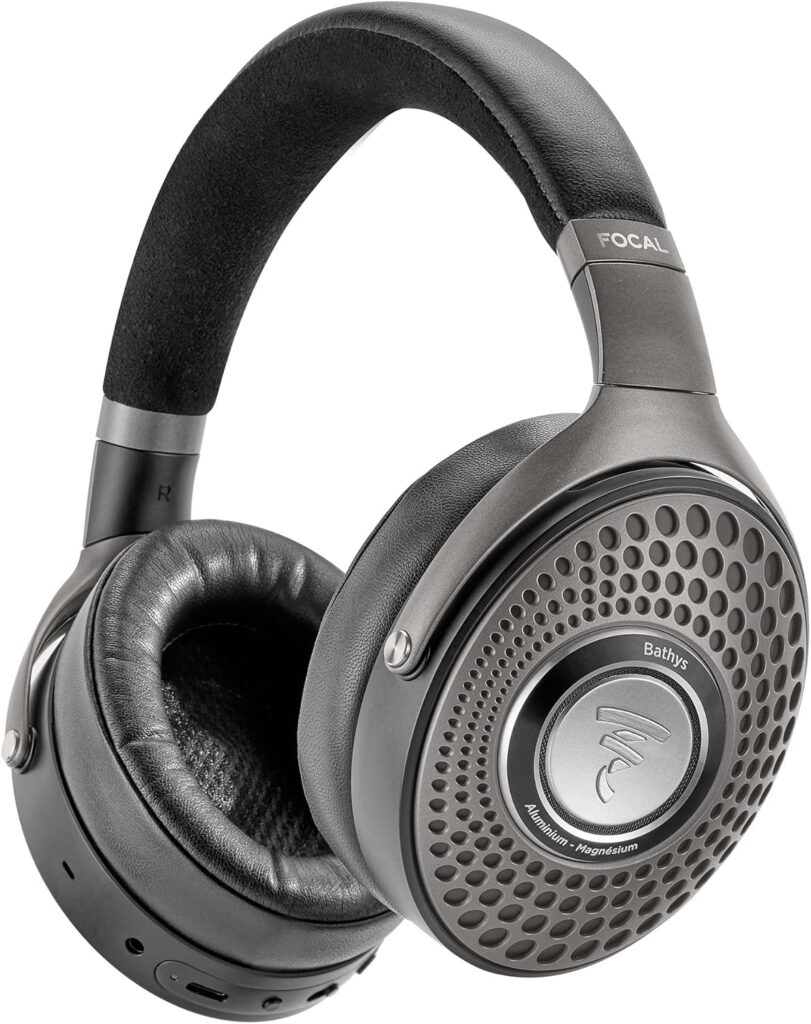
| Wireless ANC + Wired + USB-DAC | Bluetooth 5.1, AAC/SBC/aptX | 30 hrs battery
Overview
The Focal Bathys occupies a specific, difficult-to-fill niche: audiophile-quality sound in a wireless ANC closed-back headphone. Most wireless ANC headphones sacrifice sound quality for features and convenience. The Bathys refuses that trade-off. It uses a 40mm full-range driver derived from Focal’s wired headphone lineup and includes a built-in 24-bit/192kHz USB-DAC mode, meaning you can plug it in via USB-C and completely bypass your device’s audio hardware for dramatically better sound quality. It’s the only wireless ANC headphone at its price that offers this capability.
What We Like
The sound quality, particularly in wired and USB-DAC mode, is in a different league from Sony and Bose. The detail resolution, soundstage width, and tonal balance are consistently cited by reviewers as the best available in a wireless closed-back design. Battery life is generous: 30 hours Bluetooth, 35 hours wired, 42 hours in USB-DAC mode. The build quality is premium—leatherette earpads, metal construction, and a premium hard case. The ANC is functional and effective. The Focal Bathys was named to multiple Gear of the Year 2025 lists.
Potential Drawbacks
The ANC is good but not best-in-class—Sony and Bose remain superior for sheer noise cancellation performance. The Bathys is heavier and larger than competing wireless cans, making it less ideal for ultra-compact travel. The price is significantly higher than Sony’s XM series. The leatherette pads can cause warmth buildup over long sessions more than fabric-padded alternatives.
Sound Signature
Balanced and detailed with a neutral-leaning signature. Prominent midrange, excellent bass control, and treble that’s engaging without being fatiguing. In USB-DAC mode, the sound takes on genuine audiophile character—soundstage opens up and detail retrieval increases noticeably.
Comfort
Substantial clamping force—intentional for isolation purposes—means the Bathys is not the featherweight commuter headphone that Sony or Bose offer. For desk-based or travel listening where you’re stationary, comfort is excellent. For extended walking or gym use, lighter options will serve you better.
Build Quality
Premium metal construction and leatherette earpads throughout. This feels like a luxury product in a way that most wireless headphones don’t. The Bathys MG, the updated version with magnesium drivers matching the Clear MG, is also available at $1,499 for those who want the ultimate wireless audiophile experience.
Noise Isolation
Good passive isolation from the closed-back design, augmented by ANC that handles steady-state noise like airplane cabin drone and HVAC effectively. For maximum noise cancellation, the Sony XM6 still leads.
Who Should Buy It
Audiophiles who want wireless convenience without sacrificing sound quality. Home office users who want to connect to a computer via USB-DAC for the best possible audio. Frequent travelers who refuse to compromise on fidelity.
Who Should Skip It
Anyone whose primary need is maximum active noise cancellation. Those who want the lightest, most compact wireless design. Budget-conscious buyers—the Sony WH-1000XM6 offers far better feature value if pure ANC performance and price are the priority.
Best Studio Closed Back Headphones — Beyerdynamic DT 1770 Pro MKII
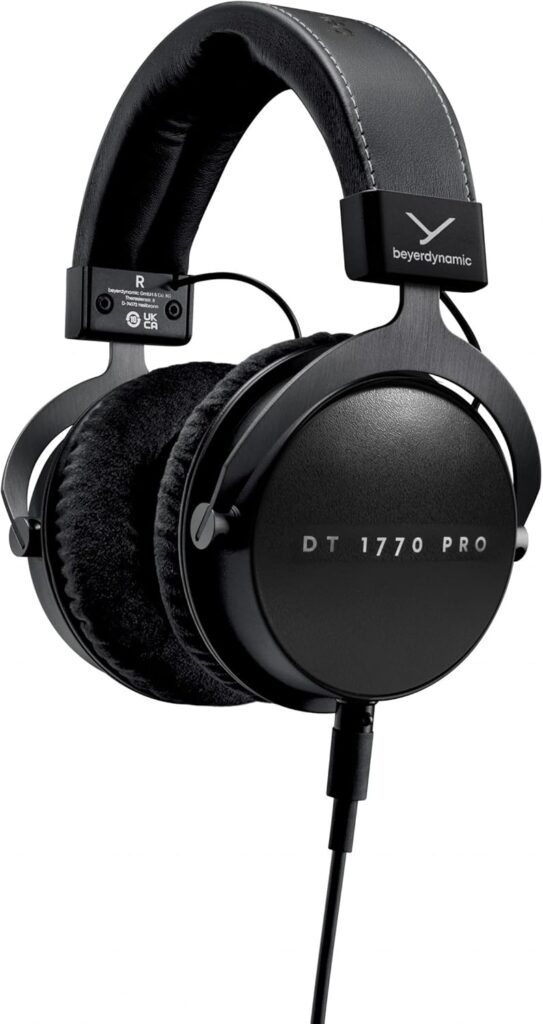
| Wired | 30Ω (MKII) | TESLA.45 dynamic driver | 5Hz–40kHz
Overview
Studio headphones live or die by two things: accuracy and durability. The DT 1770 Pro MKII delivers both. Beyerdynamic’s TESLA.45 driver technology—neodymium magnets with exceptionally high flux density—produces the kind of driver control that reveals problems in a mix without flattering anything. The MKII update dropped impedance from the original’s 250 ohms to 30 ohms, which is significant: you can now use these with standard audio interfaces, laptops, and even smartphones without an additional amp. That change alone makes the MKII dramatically more practical than its predecessor.
What We Like
The MKII comes with two sets of earpads (velour and synthetic leather) that ship in the box, each changing the sound signature subtly—velour gives a more open presentation, synthetic leather tightens the bass. Both cables are included (straight 3m and coiled 5m), along with a hard shell case. Build quality is exceptional: metal frame, robust adjustment mechanisms, and modular pads that snap off and snap on without tools. Every wearing surface can be replaced. These headphones are designed to be serviced and maintained, not replaced. The soundstage for a closed-back studio headphone is notably three-dimensional, with precise imaging that allows engineers to identify where elements sit in a mix.
Potential Drawbacks
The sound signature is analytical rather than musical—this is the point, but if you use these for casual listening, the clinical delivery can feel dry compared to consumer-tuned headphones. Some listeners find beyerdynamic’s characteristic treble energy (present across their lineup) fatiguing during very long sessions, though the MKII treble is more refined than previous generations. Clamp force is firm—appropriate for studio use where the headphone needs to stay put, but something to factor in for marathon sessions.
Sound Signature
Accurate and extended. The bass is prominent and well-controlled—present enough for bass-heavy mixing without exaggerating. Midrange is transparent and clear. Treble is detailed with the characteristic beyerdynamic “air” that helps engineers catch problems in the 6–10kHz range. Frequency response covers 5Hz–40kHz.
Comfort
The velour earpads are the right choice for extended studio sessions—far less heat than the synthetic leather option. The padded headband distributes the headphone’s weight well. That said, the DT 1770 Pro MKII is a substantial headphone, and the firm clamp means it will fatigue some users after 3–4 hours. Taking breaks and swapping to velour pads helps.
Build Quality
Metal frame with anodized black finish. Replaceable pads via a simple twist mechanism. Replaceable cable via mini-XLR. Beyerdynamic designs these for professional environments where gear needs to survive years of daily use, accidental drops, and shared studio conditions. These age exceptionally well.
Noise Isolation
Among the best passive isolation of any headphone in this guide. The closed-back design and firm seal make them suitable for tracking (recording while monitoring), where isolation from the room and bleed prevention are critical. In open-plan offices, these block sound effectively without needing active noise cancellation.
Who Should Buy It
Recording engineers, producers, content creators, and podcasters who need accurate monitoring. Home studio musicians tracking vocals or instruments who need isolation. Anyone who wants a long-term studio investment that they can service and maintain for a decade.
Who Should Skip It
Pure casual listeners who want a warm, fun sound signature. Anyone sensitive to brighter treble. Those who need Bluetooth or ANC for travel.
Best Budget Closed Back Headphones — AKG K371
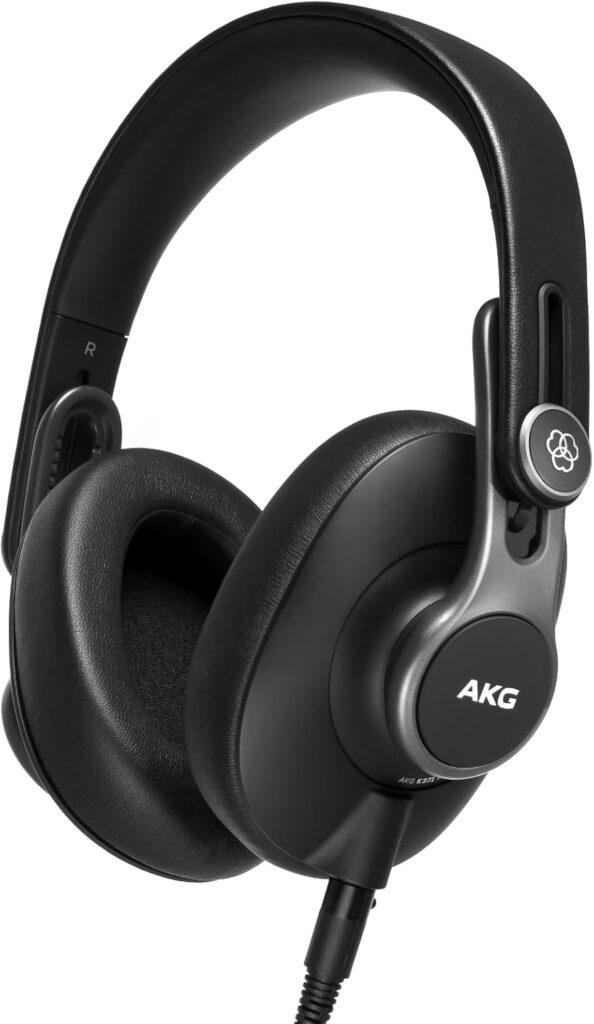
| Wired | 32Ω | 50mm dynamic driver | Harman Reference Curve tuning
Overview
The AKG K371 exists because Harman—AKG’s parent company—spent years researching what frequency response the human ear actually prefers. The result is the “Harman Curve,” a scientifically derived tuning target that the K371 follows more closely than almost any other budget headphone on the market. This isn’t theoretical: the K371 measures essentially flat when compensated for the Harman Over-Ear target. At $130–$150, that level of tuning accuracy is extraordinary. You will not find a more neutrally tuned closed-back headphone anywhere near this price.
What We Like
The sound is the headline: balanced, detailed, and accurate across the frequency range. Bass is present without exaggeration—there’s a slight elevation around 20–60Hz that adds impact without bloating. Mids are precise and neutral. Treble is smooth, avoiding the sibilance and harshness that plagues many cheap studio headphones. Accessories are generous: three cables (1.2m straight, 3m straight, 3m coiled), a ¼” adapter, and an AKG carrying bag. The folding design improves portability, and the swiveling earcups are DJ-friendly. Impedance is 32 ohms with high sensitivity—easy to drive from any source.
Potential Drawbacks
Build quality is functional but not premium—the plastic construction and stock earpads show their budget origins in daily handling. The stock pads in particular are the weakest point; many owners upgrade to third-party pads (sheepskin oval pads are a popular choice) for improved comfort and slightly altered sound. Passive isolation is modest compared to the DT 1770 Pro MKII or Sony XM6—adequate for home and light office use, but not for loud environments.
Sound Signature
Harman Reference Curve: neutral-to-slightly-warm with accurate bass extension, transparent mids, and smooth, non-fatiguing treble. This is the closest to “correct” tuning you can buy for under $200.
Comfort
The oval earcups and angled design distribute pressure reasonably well. Stock comfort is good for medium-length sessions. Some users find the top-of-head pressure increases over time, particularly those with smaller or larger heads. The pad upgrade mentioned above also meaningfully improves long-session comfort by moving the driver further from the ear.
Build Quality
Mostly plastic construction with a folding frame. The cable locking mechanism (a spring push-button mini-XLR) is robust. Long-term durability is adequate rather than exceptional—not the headphone you buy as a 10-year studio workhorse, but solid for 3–5 years of regular use with care.
Noise Isolation
Adequate for home studios and quiet offices. Not suitable for loud environments where you need genuine isolation.
Who Should Buy It
Home studio beginners wanting reference-quality monitoring without a large investment. Audiophile newcomers who want a neutral tuning baseline. Anyone using headphones primarily for music production, mixing practice, or critical listening who can’t spend $300+.
Who Should Skip It
Those who need durable, long-term studio tools (look at the DT 1770 MKII). Listeners who prefer a more exciting, consumer-friendly sound signature. Anyone needing strong passive isolation.
Best for Music Lovers — Sennheiser HD 620S
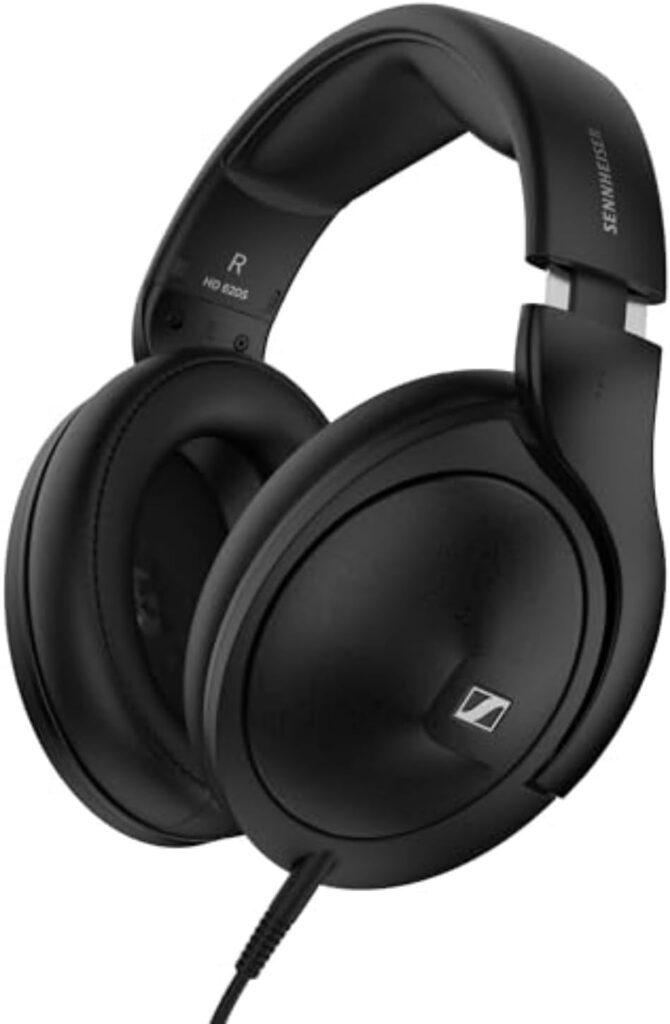
| Wired | 150Ω | 42mm angled dynamic driver | Custom-tuned for open-back soundstage
Overview
Sennheiser’s HD 600 family is legendary in audiophile circles—the HD 600, HD 650, and HD 660 S2 are all open-back designs that have defined reference listening for decades. The HD 620S is something new: the first closed-back entry in that lineage. Sennheiser built it using 42mm angled transducers, with the drivers mounted at an angle to mimic the speaker-like positioning that makes open-back headphones sound so three-dimensional. The stainless steel plate in the earcup housing manages internal reflections that typically make closed-back headphones sound “boxy.” The result, according to multiple reviewers, is the widest soundstage of any closed-back headphone at or near this price.
What We Like
The soundstage is genuinely remarkable. Listeners familiar with open-back sound describe the HD 620S as the closest a closed-back has come to matching that out-of-the-head presentation. The overall tonal character is neutral-to-natural, with a slightly midrange-forward presentation that benefits vocals and acoustic instruments. At 150 ohms, these reward a quality source chain—they respond well to better amplification—but they’re not unpleasant from a phone or laptop. Build quality uses reinforced steel in both the headband and earcup housings, making it sturdy despite a somewhat plasticky feeling chassis.
Potential Drawbacks
Some reviewers note that clamp force is on the firmer side out of the box—it loosens with use, but initial sessions may create pressure points for some head shapes. The 150-ohm impedance means you’re leaving performance on the table without a decent DAC/amp. No carrying case is included, just a soft drawstring pouch—a frustrating omission at $350. The tuning, while excellent for audiophile listening, doesn’t cater to bass-heavy genres or listeners who want a consumer-friendly V-shaped sound.
Sound Signature
Natural, neutral-to-slightly warm, with a midrange-forward character. The open-back engineering techniques result in a presentation that sounds more “out in front of you” than typical closed-back designs. Not bass-heavy—bass is controlled and accurate. Treble is smooth and extended without harsh peaks.
Comfort
Generous padding on both the headband and earpads, though clamp force is the variable. Once the headband loosens slightly (takes about 20–30 hours of use), comfort improves substantially. The headphones are moderately heavy at around 350g.
Build Quality
Steel-reinforced frame within a plastic housing. Feels sturdy with no flex or creaking. The single-cable design (entering one earcup, routing through the headband) reduces snag risk. A balanced 4.4mm cable option is available as an accessory.
Noise Isolation
Excellent passive isolation given the engineering compromises Sennheiser made to achieve the open-sounding staging. The stainless steel plate approach adds genuine isolation without the boxy coloration that usually accompanies sealed designs.
Who Should Buy It
Music lovers who want the listening experience of open-back headphones but live in environments where they can’t use them. Those who primarily listen to jazz, classical, acoustic, indie, or vocal-forward music. Audiophiles stepping into the HD 600 family experience for the first time and wanting to use their headphones away from a quiet listening room.
Who Should Skip It
Bass-focused listeners. Anyone who needs a cable-free, portable experience. Those who can’t or won’t pair these with a quality amplifier, as the 150-ohm impedance underperforms from weak sources.
Best for Travel — Sony WH-1000XM6
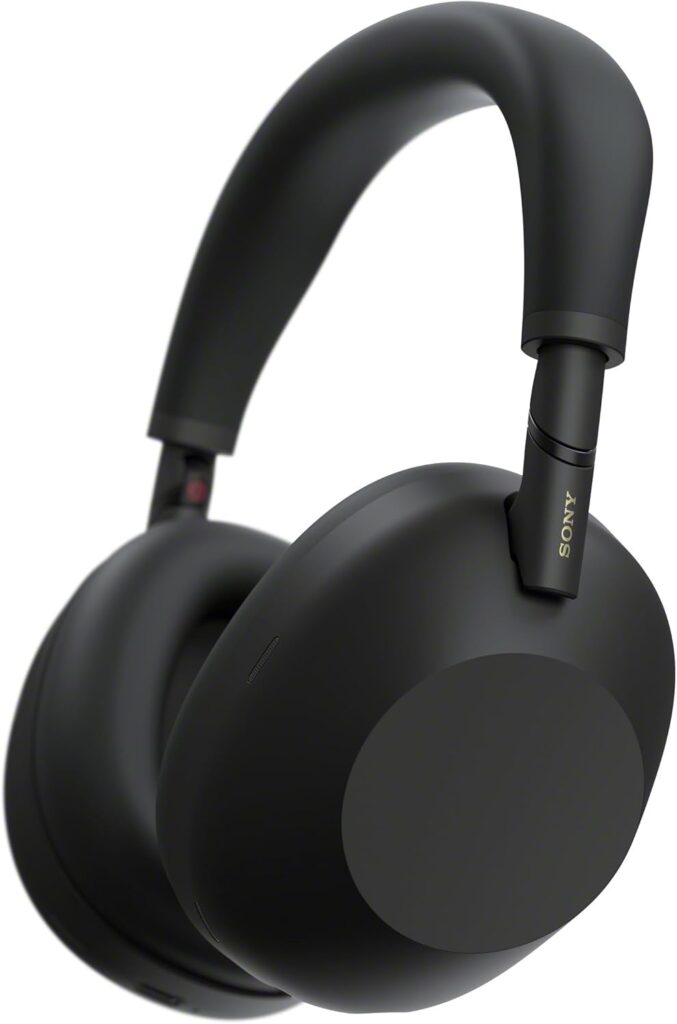
| Wireless ANC | Bluetooth 5.3, LDAC/AAC/SBC | 30 hrs ANC battery | 12-mic system | 254g
Overview
Sony has held the benchmark position in wireless ANC headphones for several generations, and the WH-1000XM6 extends that lead. The jump from the XM5 to XM6 is meaningful: the HD Noise Cancelling Processor QN3 is seven times faster than the processor in the XM5, enabling more responsive and precise noise cancellation across a wider range of sound environments. The 12-microphone array (up from 8 in the XM5) improves both ANC performance and call quality. The physical design has also been updated to fold flat—a feature the XM5 notably lacked—making the XM6 easier to pack into a bag or store in an airline seat pocket.
What We Like
The ANC is genuinely best-in-class for repetitive, steady-state noise—airplane cabin drone, train rumble, HVAC systems, and open-plan office chatter all disappear effectively. A quick 3-minute charge provides 3 hours of listening, which is a genuine lifesaver for travel. The 10-band EQ in the Sony Sound Connect app gives you real control over the sound signature. Call quality has improved noticeably. At 254g, the XM6 is light and comfortable for all-day wear. The bass performance in particular stands out—it has real impact and slam without muddying the midrange.
Potential Drawbacks
The sound signature out of the box is consumer-tuned and bass-elevated—audiophile ears will want to use the EQ. There’s no audio playback via USB-C (a frustrating omission), which means the onboard DAC is your only option in wireless mode. Some listeners find the stock tuning unsubtle without EQ adjustment. The ANC handles sudden loud noises (construction, announcements) less perfectly than steady-state noise.
Sound Signature
V-shaped with prominent bass and elevated treble, smoothed midrange. Consumer-tuned out of the box, but highly EQ-friendly via the app. With the EQ adjusted, you can push these toward a more balanced presentation.
Comfort
The new wider, flatter headband improves weight distribution over the XM5. Soft earpads and moderate clamp force. At 254g it’s among the lightest full-size wireless headphones available.
Build Quality
The new stainless steel hinges (made using advanced metal injection methods) enable folding and add durability. The overall construction feels solidly premium, especially compared to earlier XM generations. Comes with a well-designed case with a magnetic clasp.
Noise Isolation
Leading active noise cancellation performance. Handles steady-state noise better than almost anything at this price. The passive isolation, combined with ANC, makes the XM6 genuinely quiet in most real-world environments.
Who Should Buy It
Frequent travelers, commuters, and office workers who want maximum noise isolation. Those who value smart features (auto-adjusting ANC, excellent voice assistant integration) and a refined app experience. Bass lovers who want wireless convenience.
Who Should Skip It
Audiophiles who won’t compromise on sound quality over ANC performance—the Focal Bathys is the better choice. Those who want to pass audio via USB-C. Anyone bothered by a bass-forward default sound signature.
Best for Comfort — Meze 99 Classics
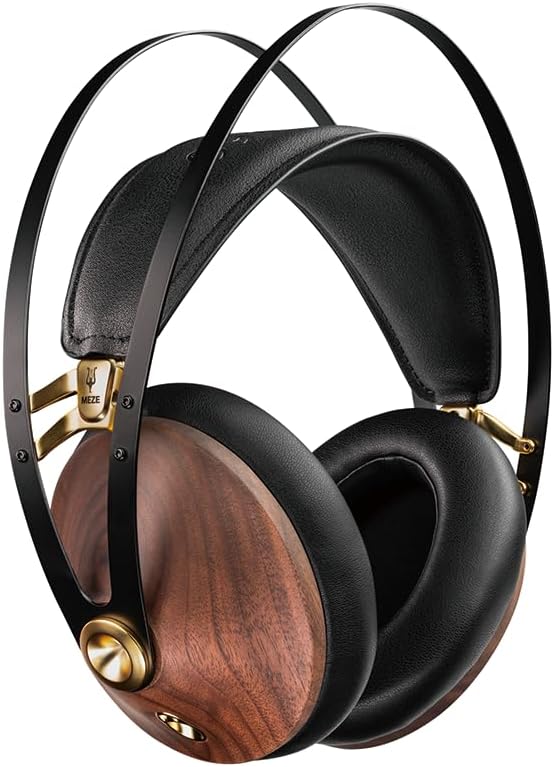
| Wired | 32Ω | 40mm dynamic driver | Walnut wood CNC earcups | 260–298g
Overview
Romanian audio company Meze began with a crowdfunding campaign in 2016 and built something genuinely special in the 99 Classics—a headphone that sounds excellent, looks extraordinary, and weighs almost nothing. The CNC-machined walnut wood earcups each go through a multi-week curing and finishing process, and the metal frame, spring steel headband, and aluminum hardware all communicate quality without adding unnecessary weight. A 2nd Gen (V2) version has been released with updated earpads and a bass port built into the socket, resulting in tighter, more linear bass and improved long-session ergonomics.
What We Like
The comfort is the defining feature. At approximately 260–298g (depending on version), the 99 Classics are exceptionally light for a closed-back audiophile headphone. The self-adjusting headband eliminates adjustment entirely—it conforms to your head shape. Long listening session comfort is consistently rated exceptional: multiple reviewers describe forgetting they’re wearing headphones. The sound is warm, musical, and engaging—not the most technically neutral presentation, but one that works beautifully with rock, acoustic, jazz, and pop. The aesthetic is genuinely beautiful, something few headphones can claim.
Potential Drawbacks
The warm, slightly V-shaped tuning means these aren’t ideal for critical monitoring or mixing where neutrality matters. Bass can be felt as slightly elevated by trained ears, though the V2 version has improved this significantly. The smaller earcup opening means users with larger ears may find their ears touching the driver mesh. The stock cable quality has been a repeated complaint across generations—functional, but not premium. Isolation is moderate—effective for home use but not for loud transit or recording environments.
Sound Signature
Warm, musical, and engaging. Bass is elevated and present, but in the V2 version significantly tighter and more controlled. Midrange is smooth and vocal-forward. Treble is present but smooth, avoiding any listening fatigue. The overall presentation is intimate and immersive rather than expansive.
Comfort
Exceptional. The self-adjusting spring steel headband with the dual-slider mechanism means no manual adjustment—just put them on. Light weight, soft ear cushions, and moderate clamp force work together to make these genuinely all-day wearable for most users.
Build Quality
Walnut wood earcups (each taking ~45 days to complete including curing time), spring steel headband, aluminum hardware. The materials are premium and the finish is beautiful. Earpads and cables are replaceable. The headphone has aged gracefully—many owners have used their original 99 Classics for 6+ years without significant deterioration.
Noise Isolation
Moderate passive isolation—effective for home use, shared offices, and quiet public spaces. Not suitable for loud recording environments or air travel without ANC.
Who Should Buy It
Those who prioritize comfort above everything else for long listening sessions. Music lovers who want a warm, musical presentation that pairs beautifully with rock, jazz, blues, and acoustic music. Anyone who wants a headphone that’s also a beautiful object—these are genuinely impressive-looking.
Who Should Skip It
Studio users who need neutral reference monitoring. Anyone who needs strong noise isolation. Those who want an analytical, detail-oriented sound signature.
Hidden Gem Most People Ignore — Sivga SV021 (Robin)
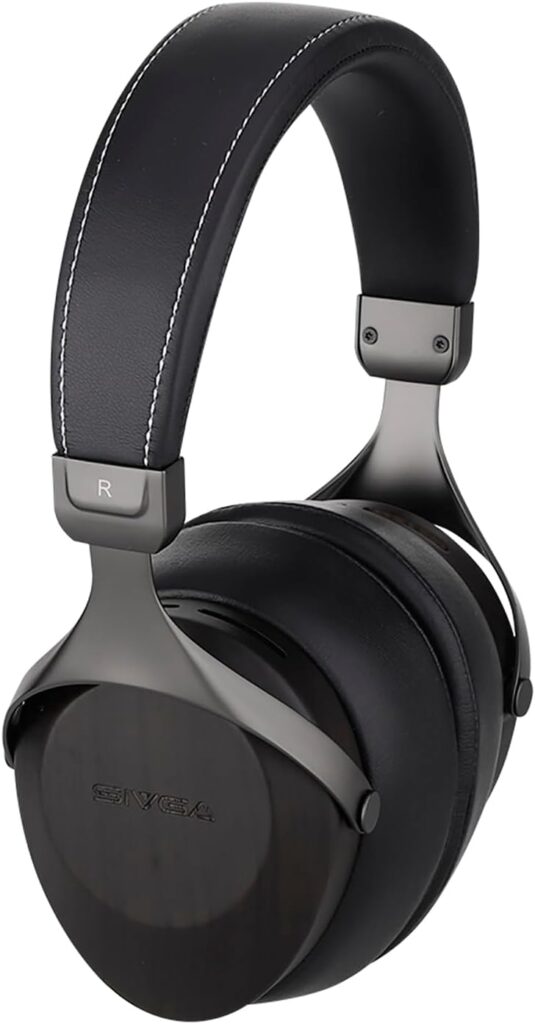
| Wired | 32Ω | 50mm dynamic driver | Rosewood/Walnut handcrafted earcups
Overview
Most gear publications chase flagship releases and ignore everything below $300. The Sivga SV021 Robin—made by Sivga, a Chinese audio company established in 2016 that’s a sibling brand to the better-known Sendy Audio—costs around $150, has handcrafted real wood earcups, a metal frame, memory foam pads, and a sound signature that enthusiasts consistently describe as “punchy,” “fun,” and surprisingly open for a closed design. This headphone has never appeared in a Wirecutter recommendation. It hasn’t been featured in mainstream outlet best-of lists. But on Head-Fi and in independent enthusiast communities, it has built a genuine cult following.
What We Like
At 32 ohms and with large 50mm dynamic drivers, the SV021 is easy to drive from any source. The soundstage for a closed-back at this price is genuinely wide—multiple reviewers note it outperforms closed-back designs costing two to three times as much in perceived openness. The rosewood and walnut earcup construction is beautiful and distinctive—the look alone separates this from every $150 plastic headphone on the market. The leather headband and metal mounting brackets feel quality. The detachable cable makes long-term ownership easier.
The SV021 has been described as having a “fun” V-shaped sound signature with elevated bass and sparkly treble—consumer-friendly rather than neutral. It’s not the headphone you buy for mixing. It’s the headphone you buy for genuine listening enjoyment, especially for rock, pop, electronic, and hip-hop where bass impact and energy matter. The low 32-ohm impedance also means these work without an amplifier, making them practical from a laptop, phone, or DAP.
Why Major Publications Ignore It
Sivga is a Chinese brand with limited PR presence in Western markets. Major publications tend to review products that are widely available through established retail channels with active marketing relationships. The SV021 exists outside that ecosystem. The headphone audio enthusiast community—Head-Fi forums, small independent review sites—discovered it organically. That’s where honest gear reputations are actually built.
Potential Drawbacks
The stock cable quality is a known complaint—functional but cheap-feeling. The tuning is V-shaped, which means it’s not neutral and won’t serve studio work. Some listeners find the treble slightly peaky at high volumes, and those who prefer a more refined, analytical presentation should look elsewhere. Isolation is modest.
Sound Signature
V-shaped and fun. Elevated bass with good extension and impact. Slightly recessed mids. Treble has energy and sparkle. Not for analytical listening—for enjoyment listening.
Comfort
Memory foam pads, leather headband, and a metal frame that swivels for a secure fit. Comfort is good for medium sessions—not quite in the Meze 99 Classics league, but respectable for the price. Metal mounting brackets allow smooth tilt adjustment.
Build Quality
Real handcrafted wood earcups, metal frame, leather headband. For $150, the material quality significantly exceeds expectations. The wood construction is genuine, not a veneer. This is the headphone’s biggest surprise factor—it looks and feels like a $300 product.
Noise Isolation
Adequate for home use and office environments. Closed-back design provides moderate passive isolation.
Who Should Buy It
Music lovers on a budget who want a fun, engaging sound and a genuinely beautiful headphone. Anyone who has been burned by boring-looking $150 plastic headphones and wants something that feels special. A strong recommendation as a gift for someone who appreciates craftsmanship.
Who Should Skip It
Studio users. Analytical listeners. Those who want the most detailed, neutral presentation available at the price (the AKG K371 is the better choice for that specific need).
Buying Guide: How to Choose the Best Closed Back Headphones
Sound Quality
Sound quality is subjective, but “sound signature” is an objective characteristic you can match to your preferences. Understand what you actually want before buying.
Neutral/Reference (AKG K371, DT 1770 Pro MKII): No frequency range is significantly boosted or cut. What’s in the recording is what you hear. Best for studio work, mixing, and critical listening.
Warm (Meze 99 Classics): Bass and lower mids are slightly elevated. The treble is smooth. Music sounds full, rich, and intimate. Best for casual listening, especially jazz, acoustic, and rock.
V-Shaped (Sivga SV021, Sony XM6 stock): Bass is elevated, treble is elevated, mids are slightly recessed. The “fun” signature—energetic, impactful, but not the most accurate. Best for pop, hip-hop, and electronic music.
Balanced with Presence (Focal Azurys, HD 620S): Between neutral and warm. Bass is present but controlled. Treble has detail and air. Works for almost any genre.
Analytical/Neutral (Dan Clark Audio E3): Technically accurate across the entire frequency range. Rewards well-recorded music. May sound “boring” to those used to consumer tuning.
Noise Isolation
Closed-back headphones don’t all isolate equally. Here’s what actually matters in each use case:
Office use: Moderate isolation is enough for most open-plan offices. The Sennheiser HD 620S, Focal Azurys, and Meze 99 Classics all handle this well. For genuinely loud offices (manufacturing floors, busy call centers), the DT 1770 Pro MKII’s tighter seal is the better choice.
Travel and commuting: Active noise cancellation is the right tool here. Passive isolation alone doesn’t deal well with airplane cabin pressure or train rattle—the Sony XM6 and Focal Bathys exist for exactly this scenario.
Home use: Almost any closed-back is sufficient. The question becomes whether you need to isolate against noisy housemates or just keep your audio private.
Recording environments: Bleed prevention is critical. Sound from the headphones mustn’t enter the microphone. For tracking, the DT 1770 Pro MKII is the standard reference.
Shared living spaces: A headphone like the Meze 99 Classics or HD 620S is ideal—enough isolation to keep your music private, not so tight that wearing them becomes a chore.
Comfort for Long Sessions
Long-session comfort is determined by four factors, and most reviews underreport all of them.
Clamp force: Too tight = headache after 2 hours. Too loose = falls off your head when you move. The Sony XM6 and HD 620S both have firm initial clamp that loosens with use; the Meze 99 Classics has the gentlest clamp force in this list.
Pad material: Velour runs cooler than leatherette or synthetic leather. If you run hot or live in a warm climate, velour pads are worth prioritizing. The DT 1770 Pro MKII ships with both velour and leather pads precisely for this reason.
Weight: Every gram matters after three hours. The Meze 99 Classics (~260–298g) and Sony XM6 (254g) are the lightest options here. The Dan Clark E3 at 460g and DT 1770 Pro MKII are the heaviest. Weight is especially important if you’re moving around rather than sitting still.
Ear cup depth: Shallow cups where your ears touch the driver mesh create pressure and fatigue. The DT 1770 Pro MKII and Dan Clark E3 have generous cup depth; the Meze 99 Classics has been noted as slightly shallow for larger ears.
Build Quality and Durability
Plastic construction: Most budget and mid-fi headphones use plastic for the frame. It’s not inherently bad—quality plastic can be durable—but it scratches more easily than metal and can crack from drops. AKG K371 falls here.
Aluminum and metal construction: The Meze 99 Classics, Focal Azurys, and Beyerdynamic DT 1770 Pro MKII all use metal significantly in their frames. More durable, heavier, and more expensive to manufacture.
Magnesium: Focal uses magnesium for their earcup shells—exceptionally rigid but light.
Repairability: The DT 1770 Pro MKII is the gold standard here—pads twist off without tools, cables are standard mini-XLR, and beyerdynamic sells every replacement part. The Meze 99 Classics also has excellent part availability. Sony’s wireless headphones are less repairable at home but are covered by Sony’s service network.
Wired vs Wireless
Wired headphones consistently offer better sound quality per dollar spent. There’s no Bluetooth compression, no battery to manage, and no codec limitations. If sound quality is the priority and portability isn’t a constraint, wired is the right choice.
Wireless makes sense when: you move around your space while listening, you use headphones for commuting or travel, or you pair headphones with a TV or multi-room setup where cables are impractical.
The compromise position: the Focal Bathys, which does both at a premium price with exceptional quality in each mode.
Gaming vs Music Listening
For gaming, you care about soundstage width and imaging precision—the ability to localize exactly where footsteps, gunshots, and environmental sounds are positioned. Closed-back headphones that excel at gaming include the Beyerdynamic DT 1770 Pro MKII (precise imaging, excellent isolation from roommates) and the Sivga SV021 (surprisingly wide soundstage, V-shaped fun for game audio, easily driven from a controller).
For music, sound signature matching becomes more important than imaging. The best match depends entirely on your preferred genres and presentation, as covered in the sound signature section above.
Studio Monitoring vs Casual Listening
Studio monitoring requires neutral, accurate frequency response so that mixes translate correctly to other playback systems. The AKG K371 and DT 1770 Pro MKII are specifically designed for this. Avoid warm, consumer-tuned headphones for mixing—they will cause you to undercompensate for bass, creating mixes that sound thin on other systems.
Casual listening benefits from a more engaging, musical signature. A headphone like the Meze 99 Classics or Focal Azurys makes music enjoyable in a way that clinical monitoring headphones don’t.
Replaceable Parts and Repairability
Ask this question before buying: “Can I replace the earpads and cable in five years?”
The Beyerdynamic DT 1770 Pro MKII, Sennheiser HD 620S, AKG K371, and Meze 99 Classics all have readily available replacement parts and user-replaceable components. The DT 1770 Pro MKII is particularly notable—beyerdynamic sells every serviceable component separately, and the headphone is designed to be maintained, not discarded.
Wireless headphones from Sony are more dependent on manufacturer service but are backed by corporate warranty and service programs.
Price vs Performance
The law of diminishing returns is real in headphone audio. Here’s the rough landscape:
Under $200: The AKG K371 and Sivga SV021 represent genuinely excellent value. The K371 particularly punches well above its price in sound accuracy.
$200–$500: The most contested price tier. The Meze 99 Classics, Sennheiser HD 620S, and Focal Azurys all live here and offer meaningfully better build and sound than budget options. The DT 1770 Pro MKII sits at the top of this tier.
$500–$800: The Focal Bathys is the dominant wireless option. Wired, you’re looking at step-up audiophile performance.
$1,000+: The Dan Clark Audio E3 represents genuine end-game closed-back audio, though the rest of your system needs to match the headphone.
Common Buyer Questions
Are closed-back headphones better than open-back headphones?
Neither is categorically better—they serve different purposes. Closed-back headphones provide noise isolation: they prevent sound from leaking out and reduce ambient noise coming in. This makes them better for commuting, recording, shared spaces, and mobile use. Open-back headphones typically provide a more natural, expansive soundstage because the rear of the driver is exposed to open air rather than a sealed enclosure—sound waves aren’t reflected back into the ear. For dedicated home listening in a quiet room, open-backs often sound more “speaker-like.” The choice is primarily about use case: isolation vs soundstage.
Do closed-back headphones have worse soundstage?
Traditionally yes, but not universally. Sealed enclosures typically create a more in-head presentation with less perceived depth and width. However, certain closed-back headphones actively engineer around this limitation. The Sennheiser HD 620S uses angled drivers and internal damping plates to achieve unusually wide staging. The Dan Clark Audio E3’s AMTS system produces holographic depth that rivals many open-back headphones. The Focal Azurys also receives consistent praise for a more spacious presentation than its closed design would suggest. At the budget level, the Sivga SV021 regularly surprises listeners with its soundstage width.
Are wireless closed-back headphones worth it?
It depends entirely on what you’re willing to trade. Wireless introduces Bluetooth compression, battery management, and added latency compared to wired. Even with high-quality codecs like LDAC and aptX HD, you’re not getting the same signal fidelity as a direct wired connection. For most listeners in most use cases—commuting, working, casual listening—this compromise is completely acceptable and outweighed by convenience. For critical listening and audiophile use, wired remains superior. The exception is the Focal Bathys, which includes a USB-DAC mode that dramatically improves audio quality by bypassing the device’s onboard audio hardware entirely.
Which closed-back headphones last the longest?
The Beyerdynamic DT 1770 Pro MKII is the most durable and repairable option in this guide. The metal-frame construction, user-replaceable pads and cable, and beyerdynamic’s commitment to selling replacement parts mean these can be maintained for 10+ years of professional use. The Meze 99 Classics also ages very well—the walnut earcups have better longevity than plastic alternatives, and replacement pads are available directly from Meze. The Sennheiser HD 620S is also well-supported for parts. Sony wireless headphones have a shorter lifespan tied to battery chemistry degradation—expect 3–5 years before battery capacity becomes noticeably compromised.
Which closed-back headphones are best for gaming?
The Beyerdynamic DT 1770 Pro MKII offers the most precise imaging and spatial accuracy, making it excellent for competitive gaming where positional audio is critical. The 30-ohm MKII impedance now allows direct use from gaming controllers and consoles. The Sivga SV021 is a surprising budget alternative for gaming—the V-shaped tuning adds excitement to game audio, and the wide soundstage for its price improves positional awareness. The Sony XM6, in wired mode with ANC off, is a strong wireless gaming option with excellent comfort for long sessions.
Which closed-back headphones isolate the most noise?
For passive isolation: the Beyerdynamic DT 1770 Pro MKII provides the tightest seal and best passive isolation in this guide—the deep earcups and firm clamp create an effective barrier against external noise. For active noise cancellation: the Sony WH-1000XM6 is the leader, with its 12-microphone system and QN3 processor providing best-in-class reduction of steady-state noise. The Focal Bathys offers functional ANC but is not the benchmark Sony has set.
Which closed-back headphones are best for music production?
The AKG K371 is the recommendation for budget home studio work—its Harman Curve tuning is the most scientifically validated neutral target available at the price. For professional studio use, the Beyerdynamic DT 1770 Pro MKII remains a studio standard for tracking and critical listening: accurate, detailed, with excellent isolation and the ability to be maintained for years. The Dan Clark Audio E3, if budget allows, is the most technically accurate closed-back available and offers tools for mastering and critical monitoring that few other headphones can match—though its power requirements mean you need a capable amplifier in the signal chain.
Which Closed Back Headphones Should You Buy? {#winner}
Here’s the decision framework, simplified:
Best Overall: Focal Azurys — French-engineered driver quality, balanced and detailed sound, versatile for home, office, and everyday use. The starting point for anyone who takes audio seriously.
Best Budget: AKG K371 — The most scientifically accurate tuning available under $200. If you’re on a tight budget and care about getting the sound right, nothing touches this at the price.
Best Premium: Dan Clark Audio E3 — End-game closed-back audio with the most open and holographic soundstage of any sealed headphone available. Requires a quality amplifier to unlock its full potential.
Best Wireless: Sony WH-1000XM6 for ANC performance and travel; Focal Bathys for audiophile wireless sound quality. Pick based on whether isolation or fidelity is your priority.
Best Studio: Beyerdynamic DT 1770 Pro MKII — The most durable, practical, and accurate monitoring headphone available at its price. Fully repairable. Ships with two sets of pads.
Best Comfort: Meze 99 Classics — Nothing else at this price weighs as little, looks as beautiful, or disappears on your head as completely during long sessions.
Best Value Hidden Gem: Sivga SV021 — Real wood earcups, metal frame, 50mm drivers, and a fun V-shaped sound signature for $150. The headphone that most buyers don’t know about and should.
Best for Music Lovers: Sennheiser HD 620S — The widest soundstage of any closed-back at this price. Built on Sennheiser’s legendary HD 600 series DNA.
Related Articles
- Best Headphone Amps (2026 Buying Guide & Tested Picks)
- Best Bass Headphones (2026 Tested Picks)
- Best Headphones for Programmers: Top 6 for Deep Focus (2026)
- Best Cheap Headphones (2026 Tested Picks Under $100)
- Best Headphones for Music: Matched to Every Genre and Signature
- Best headphones For Sleeping
Frequently Asked Questions
What are closed-back headphones? Closed-back headphones have a sealed rear enclosure on each earcup. This prevents sound from leaking out (important in shared spaces) and reduces ambient noise entering the ear (passive isolation). The trade-off is that the sealed enclosure can create a more in-head soundstage compared to open-back designs, though premium engineering can significantly reduce this effect.
What’s the difference between passive and active noise isolation in closed-back headphones? Passive noise isolation is achieved by the physical seal of the closed-back design—the earcup material and fit physically block external sound. Active noise cancellation (ANC) uses microphones to detect external sounds and generates inverse sound waves to cancel them out electronically. ANC is particularly effective against steady-state, repetitive noise like airplane cabin drone; passive isolation is more effective against sharp, sudden sounds.
Are expensive closed-back headphones worth the price? At certain price points, yes. The jump from $150 to $350 is meaningful in terms of driver quality and build. The jump from $350 to $500 is significant in terms of sound refinement and materials. Above $800, you’re paying for diminishing returns in sound quality but meaningful gains in resolution, imaging, and technical accuracy. The Dan Clark Audio E3 at $1,999 is a genuinely different experience from $500 headphones—but most casual listeners won’t extract that difference from an underpowered source.
Do closed-back headphones work for open-plan offices? Yes, and they’re often the best choice. Closed-back headphones block enough ambient noise to focus without requiring ANC, and they prevent your music from disturbing colleagues. The Focal Azurys, Sennheiser HD 620S, and Meze 99 Classics are all excellent office options. If your office is particularly loud, the DT 1770 Pro MKII’s tighter seal provides more isolation.
Can closed-back headphones be used for recording? Yes—this is actually their primary studio application. During tracking (recording), closed-back headphones allow a performer to hear playback or a click track without that audio bleeding into the microphone. The tighter the seal, the less bleed. The DT 1770 Pro MKII is specifically designed for this use case.
How long do closed-back headphones last? A quality wired closed-back headphone with replaceable components (pads, cable) can last 10+ years with basic maintenance. The Beyerdynamic DT 1770 Pro MKII and Meze 99 Classics are both known for durability and part availability. Wireless headphones have a practical lifespan tied to battery life—typically 3–5 years before capacity noticeably degrades, though the electronics themselves may last longer.
What impedance should I look for in closed-back headphones? Lower impedance (16–50Ω) headphones are easy to drive from smartphones, laptops, and portable players without an amplifier. Higher impedance (150Ω+) headphones—like the Sennheiser HD 620S at 150Ω—benefit significantly from a dedicated DAC/amp and may sound underpowered from weak sources. If you don’t own an external amplifier, stick with headphones at 80Ω or below.
Are closed-back headphones good for exercise? Most closed-back over-ear headphones are not ideal for exercise—they’re large, can move during physical activity, and leatherette/synthetic pads don’t breathe well during exertion. The Sony XM6 is the best option in this guide for active use due to its low weight, secure fit, and sweat-resilient design. For dedicated exercise audio, in-ear wireless earbuds are generally a better choice.
What’s the best closed-back headphone for home use? It depends on your priorities. For pure sound quality: Sennheiser HD 620S or Focal Azurys. For comfort during long sessions: Meze 99 Classics. For neutral monitoring: AKG K371. For the best possible closed-back experience regardless of price: Dan Clark Audio E3.
Can I use closed-back headphones with any audio device? Generally yes, though higher-impedance models (100Ω+) may underperform from weak sources like mobile phones. Low-impedance options like the AKG K371 (32Ω), Focal Azurys (26Ω), Sivga SV021 (32Ω), and Sony XM6 (wireless) work well from any source.
Conclusion
The best closed-back headphones in 2026 cover more ground than ever before. The Focal Azurys remains our best-overall recommendation—Focal’s driver engineering at a genuinely accessible price, with sound quality that embarrasses headphones costing significantly more. For budget buyers, the AKG K371 continues to be the benchmark: scientifically tuned, versatile, and easy to drive from anything.
If budget isn’t the constraint, the Dan Clark Audio E3 is simply the finest closed-back headphone available—the one that should make you question whether you ever needed an open-back headphone in the first place. For wireless use, the Sony WH-1000XM6 leads on ANC and convenience, while the Focal Bathys leads on sound quality.
Don’t overlook the Sivga SV021. At $150, with real wood earcups, a fun engaging sound signature, and a build quality that looks three times the price, it’s the kind of discovery that makes headphone hunting worthwhile. It won’t appear in mainstream recommendation lists. That’s the whole point of this section.
Buy based on your actual use case. Not the headphone with the best measurements, not the one with the most reviews—the one that solves your specific problem, in your specific environment, at your specific budget. Every recommendation in this guide does exactly that.