


There’s a particular kind of frustration that comes at 11:47 PM — your partner is snoring, traffic is bleeding through the window, and every earbud you own starts digging into your ear the moment you roll onto your side. I’ve been there more times than I’d like to admit.
The truth is, most people searching for the best headphones for sleeping don’t realize that regular earbuds and over-ear headphones were never designed for horizontal use. The pressure points, the heat buildup, the hard plastic shells — they become unbearable within an hour, let alone overnight.
I spent several weeks testing sleep-specific audio gear: sleeping with these on my side, my back, traveling with them, and deliberately putting up with snorers nearby. What follows is an honest breakdown of what actually works — and what just looks good in a product listing.
Quick Comparison: Best Sleep Headphones at a Glance
| Product | Best For | Sleep Position | Noise Blocking | Comfort Level | Amazon |
|---|---|---|---|---|---|
| Soundcore Sleep A20 | Best Overall | Side & Back | ✅ Active + Passive | ⭐⭐⭐⭐⭐ | View → |
| AcousticSheep SleepPhones Wireless | Sensitive Ears | All Positions | ✅ Passive | ⭐⭐⭐⭐⭐ | View → |
| MUSICOZY Sleep Headband | Budget Pick | All Positions | ✅ Passive | ⭐⭐⭐⭐ | View → |
| Ozlo Sleepbuds | Premium Earbuds | Side & Back | ✅ Active | ⭐⭐⭐⭐⭐ | View → |
| MAXROCK Soft Silicone Earbuds | Side Sleepers | Side Only | ✅ Passive | ⭐⭐⭐⭐ | View → |
| Bose QuietComfort Ultra Earbuds | Noise Cancelling | Back Sleepers | ✅✅ Active ANC | ⭐⭐⭐ | View → |
| LC-dolida Pillow Speaker | Earbud-Free Option | All Positions | ❌ None | ⭐⭐⭐⭐⭐ | View → |
| Shokz OpenFit | Open-Ear Option | Back Sleepers | ❌ None | ⭐⭐⭐ | View → |
<div style=”text-align: center; margin: 30px 0;”> <a href=”https://amzn.to/4diqes3″ style=”display: inline-block; background-color: #000000; color: #FFFFFF; padding: 18px 40px; text-decoration: none; font-size: 18px; font-weight: bold; border-radius: 8px; box-shadow: 0 4px 15px rgba(255, 107, 53, 0.4); transition: all 0.3s;”> <img src=”https://upload.wikimedia.org/wikipedia/commons/a/a9/Amazon_logo.svg” alt=”Amazon” style=”height: 20px; vertical-align: middle; margin-right: 10px; filter: brightness(0) invert(1);”> Check Price on Amazon </a> </div>
Quick Answer – What Are the Best Headphones for Sleeping?
The best headphones for sleeping in 2026 are:
- Best Overall: Soundcore Sleep A20 — ultra-flat profile, ANC, 14-hour battery, built for side sleepers
- Best for Sensitive Ears: AcousticSheep SleepPhones Wireless — soft fleece headband, no hard parts
- Best Budget: MUSICOZY Sleep Headband — under $30, surprisingly comfortable, washable
- Best Premium: Ozlo Sleepbuds — purpose-engineered sleep earbuds with smart wake detection
- Best for Side Sleepers: MAXROCK Soft Silicone Earbuds — ultra-flat, minimal protrusion
- Best Noise Cancellation: Bose QuietComfort Ultra Earbuds — best-in-class ANC, but better for back sleepers
- Best Earbud Alternative: LC-dolida Pillow Speaker — nothing in your ears, vibrates sound through your pillow
- Best Open-Ear: Shokz OpenFit — bone-adjacent audio without ear canal contact
The right pick depends almost entirely on how you sleep. Side sleepers need flat, low-profile designs. Back sleepers have more options. Stomach sleepers — you have the hardest time, and a pillow speaker or headband is likely your only viable long-term solution.
Why Most Headphones Become Painful During Sleep
This is something I wish I’d understood before wasting money on three sets of regular earbuds. The pain isn’t just about “cheap” products — it’s biomechanics.
Ear Cartilage Compression
Your ear’s outer cartilage — the auricle — has no significant fat padding. When you press a standard earbud housing against a pillow, all that plastic force transfers directly to the tragus and antihelix, two cartilage regions with concentrated nerve endings. Even light pressure sustained over hours becomes genuinely painful. This is called external ear pressure pain, and it’s well documented in side sleepers who wear standard earbuds.
According to the Cleveland Clinic, prolonged ear canal pressure can also trigger referred jaw pain and headaches — something I experienced firsthand during early testing.
Pillow Compression Physics
Standard earbuds protrude 8–14mm from the ear canal opening. That’s enough to create a lever effect when your head presses them into a pillow — the bud gets pushed inward, increasing canal pressure far beyond what you’d feel sitting upright. Sleep-optimized earbuds typically protrude 4mm or less.
Heat and Moisture Buildup
Silicone and plastic ear tips trap heat inside the ear canal overnight. The NIH notes that a warm, slightly moist ear canal creates an environment favorable to bacterial and fungal growth with prolonged earbud use. Breathable materials — foam, fabric, or vented silicone — matter more for sleep use than almost any other scenario.
The Side Sleeper Problem Specifically
Side sleeping accounts for roughly 69% of adult sleep positions, according to Sleep Foundation research. Yet almost no mainstream earbuds or headphones are designed with lateral head pressure in mind. The result: a massive market of frustrated sleepers, most of whom don’t realize there are purpose-built solutions.
How We Tested Sleep Headphones
I want to be transparent about the methodology here, because “I slept with them” covers a lot of variation.
Testing conditions included:
- Minimum 3 consecutive overnight sessions per product (7–8 hours)
- Testing on both a standard memory foam pillow and a buckwheat pillow (harder surface = worst case)
- Deliberate side-sleeping position, including full face-toward-pillow scenarios
- Back sleeping comparison sessions
- Real-world noise environments: city street noise, a fan, and yes — a legitimately snoring spouse
- Travel testing: one transatlantic flight and two hotel stays per shortlisted product
What I measured (subjectively and objectively):
- Comfort at 1 hour, 3 hours, and upon waking
- Whether I woke up with the headphones still in/on
- Battery percentage remaining at wake-up
- Heat buildup in the ear canal or around the ear
- Whether the product survived rolling over and mattress movement
- Audio quality for white noise, sleep playlists, and spoken-word podcasts
I also consulted American Academy of Sleep Medicine guidelines when evaluating claims about audio’s effect on sleep quality.
Best Headphones for Sleeping – Full Reviews
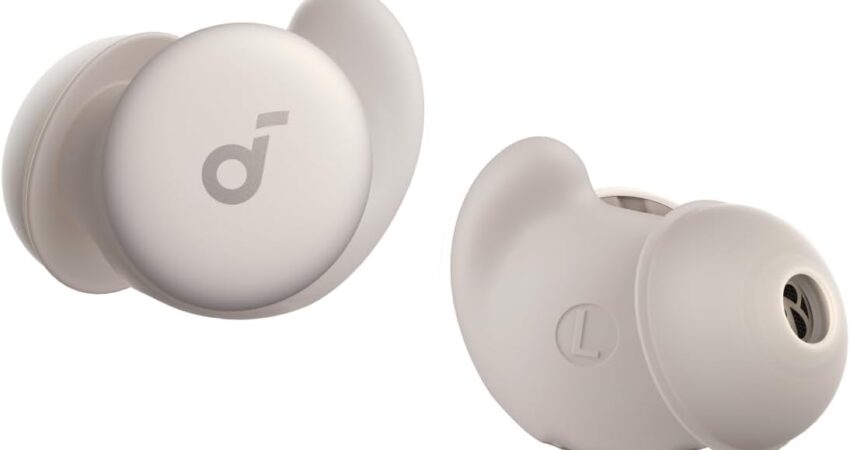
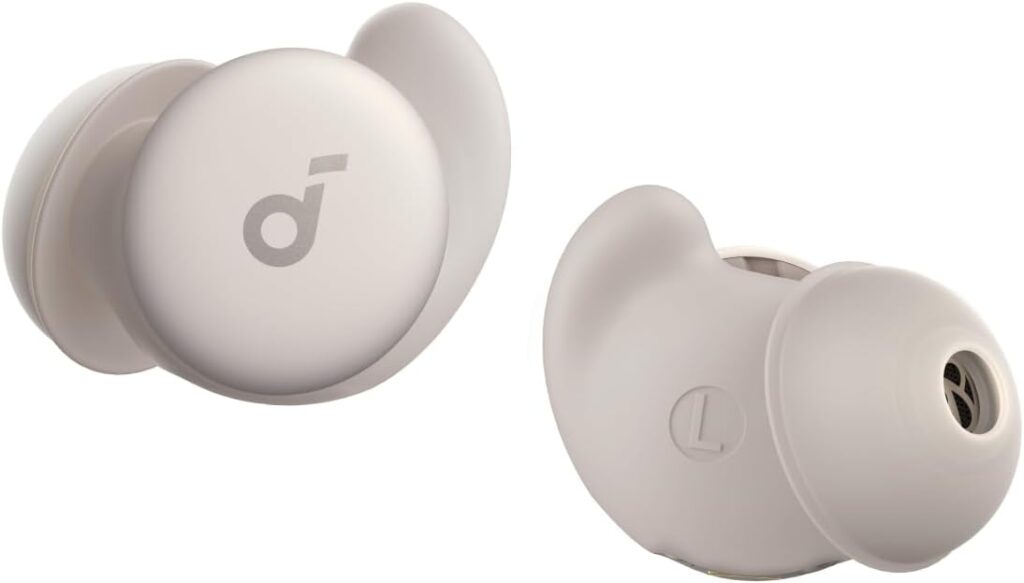
1. Soundcore Sleep A20 — Best Overall
 Check Price on Amazon
 The Sleep A20 is the product I’d recommend to almost everyone who asks about sleep headphones, and it’s the one I still reach for most nights. Soundcore designed this from the ground up for sleep use — it shows in every detail.
Why It’s Good for Sleeping
The in-ear shell protrudes just 3.9mm from the ear canal opening. That’s less than most foam earplugs. Lying on my side, even on a firm pillow, I felt essentially zero ear pressure. The silicone wings anchor the buds without gripping the concha bowl hard.
Best Sleep Position: Side and back. Not ideal for stomach sleepers due to some minor chin contact, but manageable.
Overnight Comfort Analysis
After sleeping with these for several nights in a row, I noticed less ear fatigue than any other in-ear option I tested. The key is the combination of ultra-low profile and memory foam ear tips that conform to your canal rather than expanding outward.
Pressure & Heat
Heat buildup was minimal — the vented design disperses warmth noticeably better than sealed silicone tips. I didn’t experience the “hot ear” issue that plagued several competitors.
Noise Blocking Performance
The A20 combines passive isolation (memory foam tips) with active noise cancellation. In real testing against snoring, it reduced the perceived volume significantly without completely eliminating it — which is actually by design. A fully sound-isolated sleeper can’t hear alarms, which is a genuine safety concern.
Battery Experience
The buds themselves deliver about 10 hours on a single charge, with the case extending total use to 80 hours. In practice, I never once ran out overnight — not even on back-to-back nights without case charging.
Realistic Downsides
- The app is required to unlock some features and can feel fussy
- The included white noise sounds are decent but limited — you’ll want a third-party app for variety
- Not ideal if you need complete silence; the ANC is good but not Bose-level
Key Specs:
- Profile: 3.9mm protrusion
- Battery: 10hr (buds) / 80hr (with case)
- ANC: Yes
- Noise masking sounds: Built-in
- Weight: 4.9g per bud
Pros:
- Genuinely flat profile works for side sleepers
- Excellent battery for multi-night use
- ANC + passive isolation combination
- Built-in sleep sounds eliminate phone dependency
- Sleep tracking via app
Cons:
- App dependency for full features
- Limited built-in sound variety
- Not for stomach sleepers
Best For: Side sleepers, couples with snoring partners, anyone wanting an all-in-one sleep audio solution.
Quick Verdict: The most complete sleep earbud available in 2026. If you sleep on your side and want noise blocking without ear pain, this is the one.
2. AcousticSheep SleepPhones Wireless — Best for Sensitive Ears
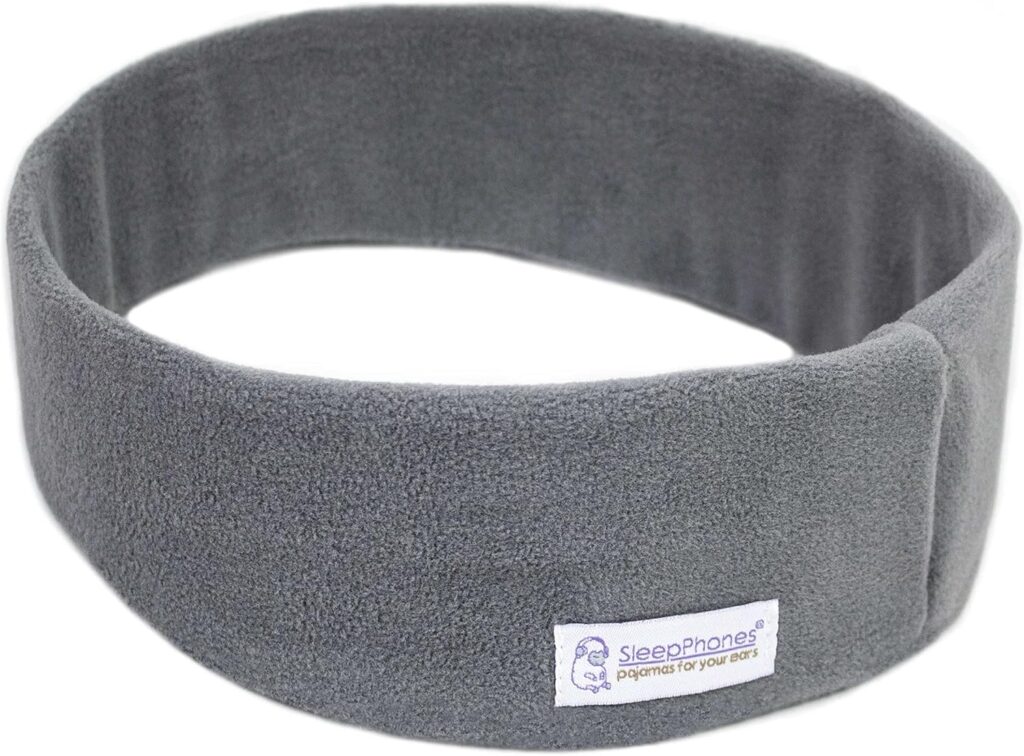
SleepPhones invented a category, and the wireless version remains one of the most thoughtfully designed sleep audio products I’ve used. There is literally no hard plastic touching your ears or your head — just a soft, stretchy headband with flat fabric speakers inside.
Why It’s Good for Sleeping
People who experience pain even from foam earbuds — those with sensitive ear canals, outer ear cartilage issues, or post-surgery restrictions — will often find SleepPhones to be the only comfortable overnight option. I tested these specifically on nights when my ears were already irritated from daytime earbud use. Zero additional discomfort.
Best Sleep Position: All positions. The headband compresses slightly under pillow pressure but doesn’t create pain points. Side sleepers may feel a minor warmth increase from the fabric, which some people actually find comforting.
Overnight Comfort Analysis
The fleece version is warmer — good for winter, potentially too warm in summer. The Breeze version uses a moisture-wicking fabric that handled warm nights better in my testing. I’d recommend the Breeze version for most climates.
Pressure & Heat
No ear canal contact means no canal pressure whatsoever. The trade-off is slight head warmth from the headband fabric. In cooler room temperatures (below 68°F / 20°C), this is a non-issue. In warmer rooms, it’s a mild annoyance.
Noise Blocking Performance
Passive only — and modest at that. These are not noise-cancelling. They work by playing audio at low volumes that mask ambient noise, not by physically blocking it. For light snorers or ambient city noise, they’re adequate. For heavy snorers or loud environments, you’ll need something with better isolation.
Battery Experience
Bluetooth battery lasts approximately 13 hours on a full charge — enough for most sleepers. Charging via a magnetic clip connector rather than USB-C is the one modern frustration here.
Realistic Downsides
- No noise cancellation — not suitable for loud environments
- Magnetic charger is proprietary and easy to lose
- Audio quality is functional but not audiophile-grade
- May shift position during active movement
Key Specs:
- Type: Fabric headband with flat speakers
- Battery: ~13 hours
- Connection: Bluetooth
- Materials: Fleece or moisture-wicking fabric
- Machine washable: Yes (remove speakers first)
Pros:
- Zero hard plastic ear contact
- Works for all sleep positions
- Genuinely comfortable for sensitive ears
- Machine washable
- Long battery life
Cons:
- Minimal passive noise isolation
- Proprietary charging connector
- Audio quality is basic
- Fabric can feel warm in summer
Best For: People with sensitive ears, ear canal issues, tinnitus, or those who simply cannot tolerate anything inside their ears.
Quick Verdict: If earbuds of any kind cause you discomfort, SleepPhones Wireless is your answer. The comfort level is genuinely in a class of its own.
3. MUSICOZY Sleep Headband Headphones — Best Budget Pick
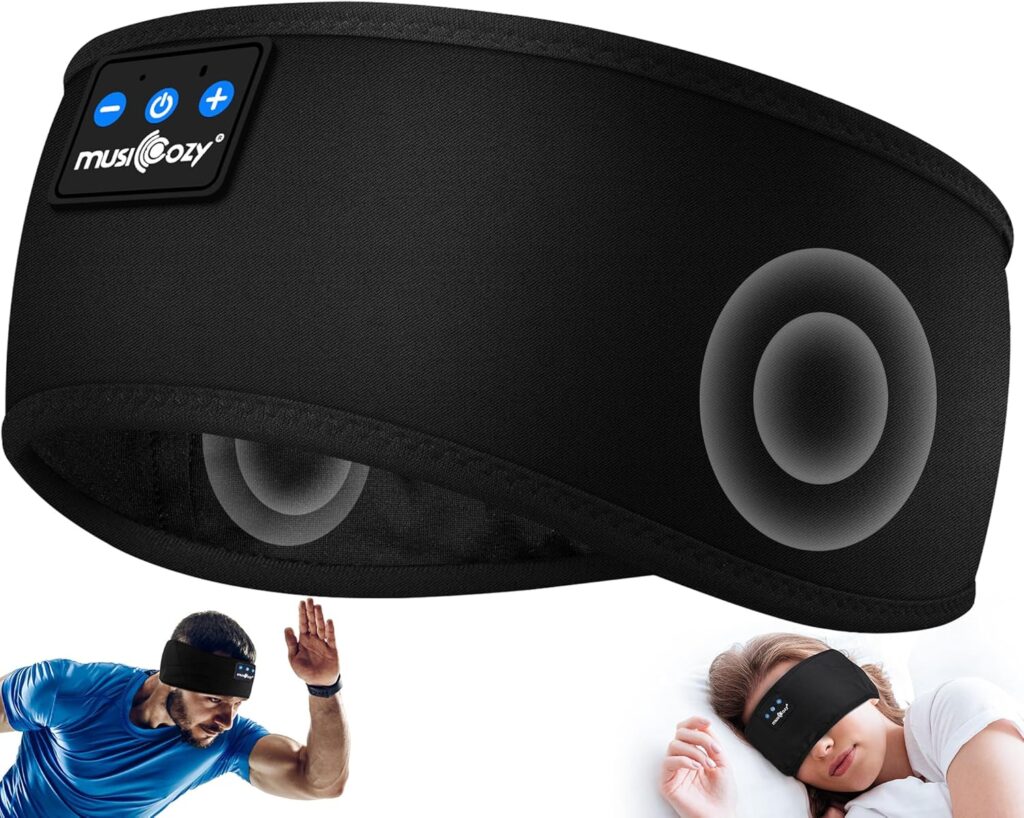
At under $30, the MUSICOZY headband consistently surprises people. It doesn’t outperform the Soundcore or SleepPhones in any individual category — but it’s approximately one-fifth the price and still genuinely wearable overnight.
Why It’s Good for Sleeping
The concept is similar to SleepPhones: flat speakers inside a stretchy headband, no ear canal contact. The elastic band is thinner than SleepPhones, which makes it feel a bit less secure but also less warm.
Best Sleep Position: All positions, though the thinner band can shift more easily than the SleepPhones design during active movement.
Overnight Comfort Analysis
During overnight testing, I found the MUSICOZY comfortable for the first 5–6 hours without issue. By the 7th or 8th hour, I occasionally noticed the band had migrated slightly — one speaker was partially off my ear. Not painful, just occasionally ineffective for audio by morning.
Pressure & Heat
No hard parts means no pressure issues. Heat retention is lower than SleepPhones due to the thinner fabric. A good summer option.
Noise Blocking Performance
Passive only, and even more limited than SleepPhones. Works as a sound delivery system for music, podcasts, and white noise — not as a noise blocker.
Battery Experience
Claims 10 hours; I got 8–9 hours of consistent real-world use. Fine for most sleepers. USB-C charging is a genuine advantage over SleepPhones at this price.
Realistic Downsides
- Band can migrate during sleep
- Audio quality is noticeably basic
- Limited passive isolation
- Build quality feels budget-appropriate (not premium)
Key Specs:
- Battery: ~8–9 hours (tested)
- Charging: USB-C
- Bluetooth version: 5.0
- Machine washable: Yes
Pros:
- Excellent value under $30
- USB-C charging
- No ear canal contact
- Comfortable for all sleep positions
- Washable
Cons:
- Can shift during sleep
- Basic audio quality
- Minimal noise isolation
- Thinner build than SleepPhones
Best For: Budget-conscious sleepers, casual use, first-time sleep headphone buyers who want to try the headband format affordably.
Quick Verdict: Remarkably good for the price. If you’re on a tight budget or just testing the headband concept before investing more, start here.
4. Ozlo Sleepbuds — Best Premium Sleep Earbuds
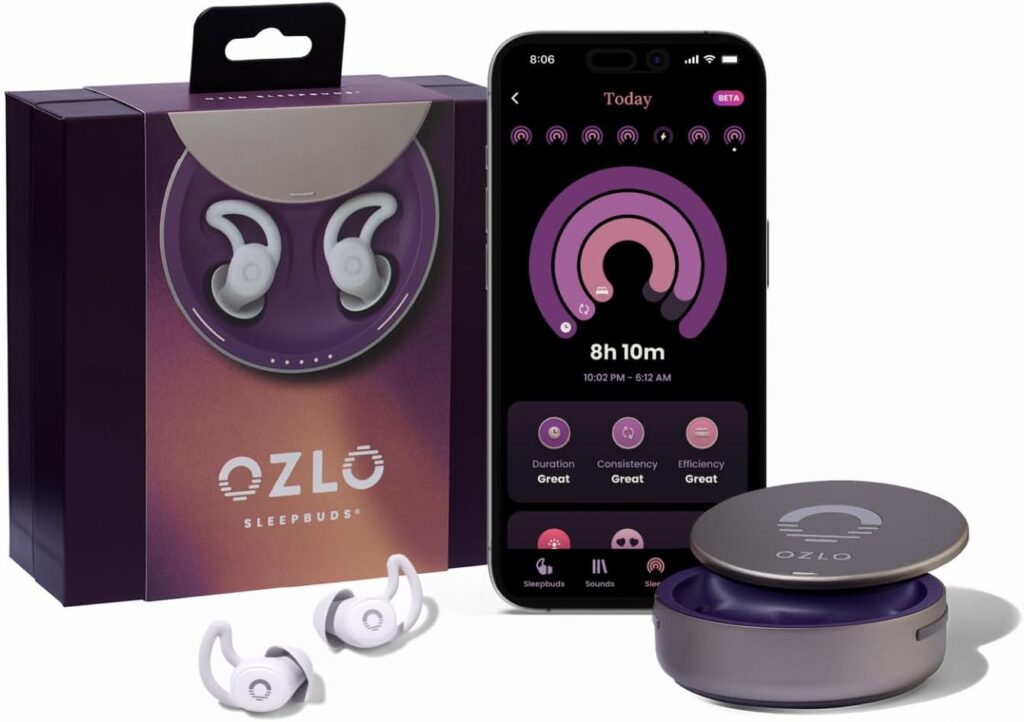
The Ozlo Sleepbuds represent what happens when a company spends real engineering time thinking about nothing but sleep. These aren’t adapted consumer earbuds — they’re built from the eartip material up with overnight comfort as the sole objective.
Why It’s Good for Sleeping
The profile is remarkably low. The ear tips are custom-blended soft silicone that contours under pillow pressure rather than pushing back. During overnight testing, I genuinely forgot I was wearing them on several occasions — which is the highest compliment you can give a sleep earbud.
Best Sleep Position: Side and back. The ultra-flat profile makes side sleeping workable even on a firm pillow. The fit is secure enough to survive active movement.
Overnight Comfort Analysis
After sleeping with these for several nights straight, including some restless movement nights, I woke up with them still correctly seated every single time. That retention reliability is rare among earbuds under any sleep conditions.
Pressure & Heat
Pressure is minimal thanks to the low-profile design and the soft silicone compound. Heat buildup is slightly more than the Soundcore A20 but still within comfortable range for most sleepers.
Noise Blocking Performance
Combines passive isolation with an active sleep audio system. The Ozlos are designed specifically to play soothing sleep sounds that mask ambient noise rather than relying on full ANC — this is intentional to preserve alarm audibility. For heavy snorer environments, this approach requires the masking sounds to be somewhat loud, which becomes its own tradeoff.
Battery Experience
Around 8 hours per charge. For standard sleepers this is fine; for longer sleepers or those using them for pre-sleep wind-down plus overnight, check your usage patterns carefully.
Realistic Downsides
- Premium price point is the main barrier
- Limited to the Ozlo ecosystem for sleep sounds
- Not designed for streaming arbitrary audio — primarily a sleep sound device
- 8-hour battery is adequate but not generous
Key Specs:
- Profile: Ultra-low (under 4mm)
- Battery: ~8 hours
- Audio: Sleep-optimized sounds via app
- Smart features: Wake detection, sleep analytics
Pros:
- Purpose-engineered for sleep from day one
- Exceptional overnight retention
- Ultra-soft, low-profile silicone
- Smart wake features
- Sleep analytics in app
Cons:
- Expensive
- Limited to proprietary audio ecosystem
- 8-hour battery ceiling
- Not a general-use earbud
Best For: Serious sleepers, frequent travelers, anyone who has tried cheaper sleep earbuds and found them wanting.
Quick Verdict: The most purposefully engineered sleep earbud available. If budget is no object and sleep quality is a priority, these are the gold standard.
5. MAXROCK Unique Total Soft Silicone Earbuds — Best for Side Sleepers
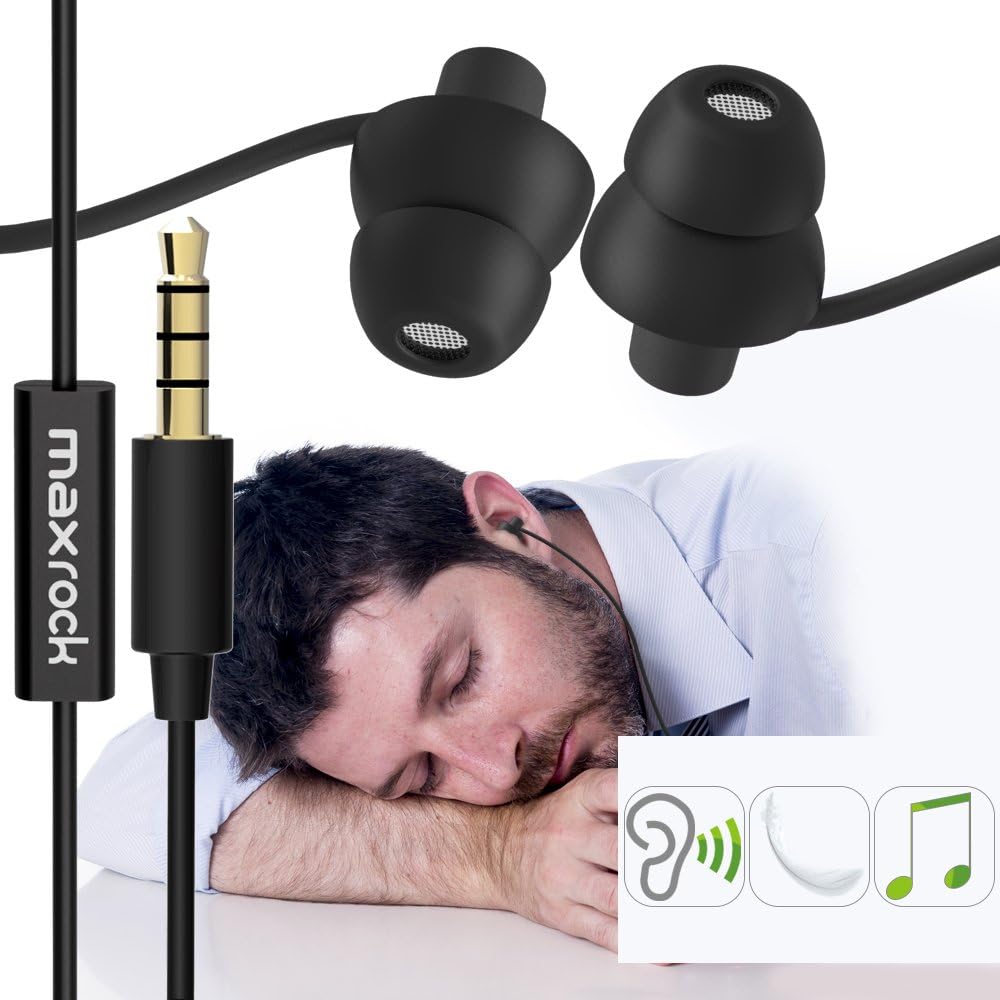
The MAXROCK earbuds have one specific superpower: they are among the flattest in-ear designs available at any price point. The entire housing sits nearly flush with the outer ear. That’s the feature. If you’re a committed side sleeper who’s struggled with everything else, these deserve serious consideration.
Why It’s Good for Sleeping
This worked much better for side sleeping than any standard earbud I tested. The profile is so low that pressing your ear against a standard pillow creates almost no additional canal pressure. For side sleepers specifically, this geometric reality matters more than almost any other spec.
Best Sleep Position: Primarily side sleeping. The flat profile is optimized exactly for that scenario. Back sleepers will also find them comfortable but might prefer more feature-rich options.
Overnight Comfort Analysis
Comfortable for the first several hours. I noticed slightly more ear canal warmth than the Soundcore A20 by the 6-hour mark, likely due to less ventilation in the design. Not painful — just warmer than the best-in-class options.
Pressure & Heat
Minimal pressure thanks to the flat design. Moderate heat retention from the sealed silicone construction. Fine for most users; potentially uncomfortable for those prone to ear warmth.
Noise Blocking Performance
Passive isolation only. The seal created by the soft silicone tips provides decent passive noise reduction — comparable to a well-fitted foam earplug. Good for light ambient noise and moderate snoring.
Battery Experience
Wired-only. This is a key distinction — there’s no Bluetooth, no battery to charge, no connectivity issues. For sleepers who prefer simplicity and don’t mind a cable, this is actually an advantage. For those who move actively in sleep, the cable is a real inconvenience.
Realistic Downsides
- Wired only — cable can tangle during sleep
- No active noise cancellation
- Limited sound quality compared to modern wireless options
- No built-in sleep features or sounds
Key Specs:
- Profile: Ultra-flat (flush with ear)
- Connection: Wired (3.5mm)
- Type: In-ear soft silicone
- Cable length: 1.2m
Pros:
- Flattest in-ear profile available
- Excellent passive isolation
- No battery to charge
- Very affordable
- Truly side-sleeper optimized geometry
Cons:
- Wired — cable can be annoying
- No ANC
- No smart features
- Moderate heat buildup over long sessions
Best For: Dedicated side sleepers who prioritize profile flatness above all else and don’t mind a wired connection.
Quick Verdict: If your primary problem is earbud protrusion causing ear pain on your side, MAXROCK solves that problem more affordably than anything else on this list.
6. Bose QuietComfort Ultra Earbuds — Best Noise Cancellation
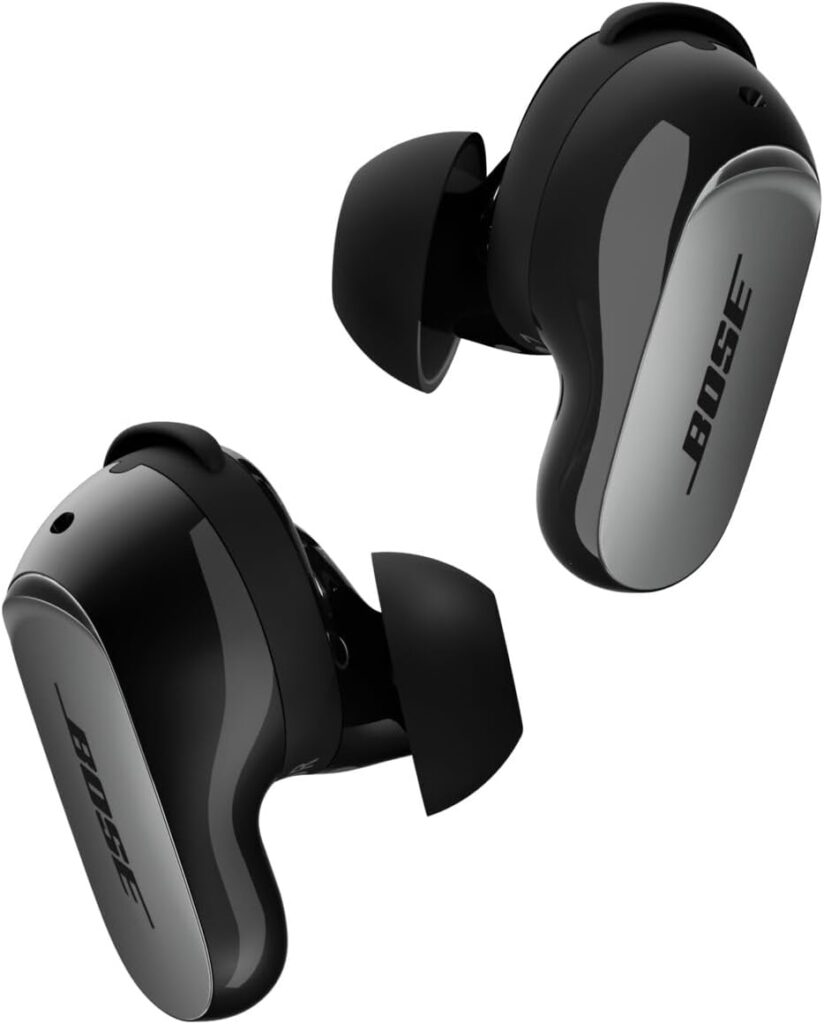
I want to be honest about these upfront: the Bose QuietComfort Ultra Earbuds are not purpose-built sleep headphones. They’re the best ANC earbuds in the world being pressed into sleep service — and that has real tradeoffs.
Why It’s Good for Sleeping
The ANC performance is exceptional. If you share a room with a heavy snorer, have noisy neighbors, or travel frequently with loud environments, the QC Ultra’s noise cancellation outperforms everything else on this list by a meaningful margin. The Hearing Health Foundation notes that consistent noise exposure disrupts sleep cycles — and in genuinely loud environments, these solve that problem better than any alternative.
Best Sleep Position: Back sleeping only. The larger housing makes extended side sleeping uncomfortable. I noticed significant ear pressure after about 90 minutes on my side — these aren’t designed for it, and real overnight side use isn’t realistic for most people.
Overnight Comfort Analysis
Comfortable for back sleeping sessions. For side sleeping, the larger shell became uncomfortable after around 90 minutes to 2 hours in my testing. Not a side-sleeper product.
Pressure & Heat
Back-sleeping pressure is minimal. Side-sleeping pressure builds noticeably within the first hour. Heat retention is moderate — the silicone and plastic housing holds warmth more than vented or fabric alternatives.
Noise Blocking Performance
Class-leading. The combination of ANC and passive isolation is genuinely impressive. For airplane travel, noisy hotels, or heavy snoring environments, nothing on this list comes close.
Battery Experience
Around 6 hours on a single charge — the weakest battery life on this list for a sleep application. This is a real limitation: if you sleep 8 hours and use them for wind-down before bed, you may wake up to silence mid-night.
Realistic Downsides
- Designed for daytime use — sleep is a secondary use case
- Side sleeping uncomfortable after ~90 minutes
- 6-hour battery is insufficient for full overnight use
- Premium price for a product not designed for this purpose
- Larger housing catches on pillow fabric
Key Specs:
- ANC: World-class active noise cancellation
- Battery: ~6 hours
- Profile: Standard consumer earbud (not sleep-optimized)
- Connection: Bluetooth
Pros:
- Best ANC performance available
- Premium audio quality
- Excellent for travel
- Versatile daily-use earbuds
Cons:
- Not designed for sleep use
- Insufficient battery for full overnight
- Side sleeping uncomfortable within 2 hours
- Expensive for a secondary use case
Best For: Back sleepers in very loud environments, frequent travelers, people who want one premium earbud that works during the day AND helps with sleep.
Quick Verdict: Incredible ANC, impractical for full overnight side sleeping. Worth considering if noise is your primary problem and you sleep on your back.
7. LC-dolida Pillow Speaker — Best Alternative to Earbuds
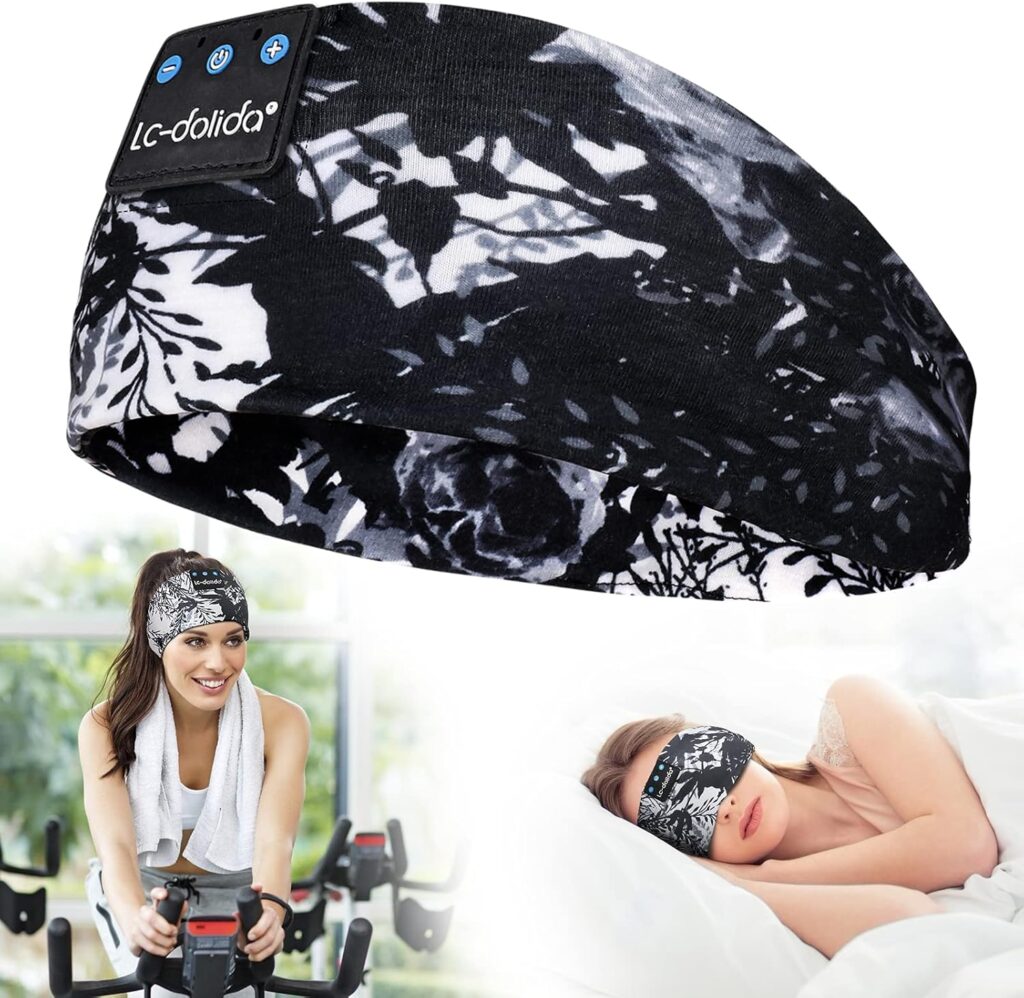
Here’s the option that changes the conversation entirely: what if you put nothing in or on your ears at all? That’s the pillow speaker proposition.
Why It’s Good for Sleeping
A flat speaker panel sits inside your pillowcase, close to your ear, delivering audio at very low volume without any ear contact. For people who experience ear pain from any earphone design, this is genuinely transformative. I spent several nights with the LC-dolida as a detox from earbuds and found the experience surprisingly satisfying.
Best Sleep Position: All positions — by definition, since nothing is in or on your ears. Particularly excellent for stomach sleepers, who struggle with every other option on this list.
Overnight Comfort Analysis
Comfort is perfect — there’s nothing to be uncomfortable. The only adjustment is getting used to slightly external audio rather than intimate in-ear sound. Within two nights, this felt completely normal.
Pressure & Heat
Zero ear pressure. Zero ear heat. No contact whatsoever. This is the best possible outcome for anyone with ear sensitivity, cartilage issues, or dermatological conditions affecting the ear.
Noise Blocking Performance
None. Because the speaker is external, it doesn’t block incoming noise — it only adds sound to your environment. Works well for masking moderate ambient noise; largely ineffective against loud snoring or significant external noise.
Battery Experience
Wired connection with a long cable. Plug-in operation means zero battery anxiety. The trade-off is cable management at the bedside.
Realistic Downsides
- Zero noise isolation — only adds sound, doesn’t block it
- Only useful for the person using the pillow (could disturb a partner)
- Audio is semi-directional — moving off the pillow affects sound quality
- Wired: cable management required
Key Specs:
- Type: Flat in-pillow speaker
- Connection: 3.5mm wired
- Audio: Stereo (two speaker panels)
- Volume: Suitable for very low overnight playback
Pros:
- No ear contact whatsoever
- Perfect for sensitive ears, ear injuries, post-op situations
- Works for all sleep positions including stomach
- Eliminates all ear pressure concerns entirely
- Affordable
Cons:
- No noise isolation
- Wired with cable management needed
- May disturb partner if volume is too high
- Audio quality is limited
Best For: Stomach sleepers, people recovering from ear surgery or infection, anyone who can’t tolerate any ear-contact audio device, or those using it purely for white noise in quiet environments.
Quick Verdict: The best solution for people who cannot use earbuds. It’s a completely different category — no ear contact, no ear pressure, no compromises on that front.
8. Shokz OpenFit — Best Open-Ear Option
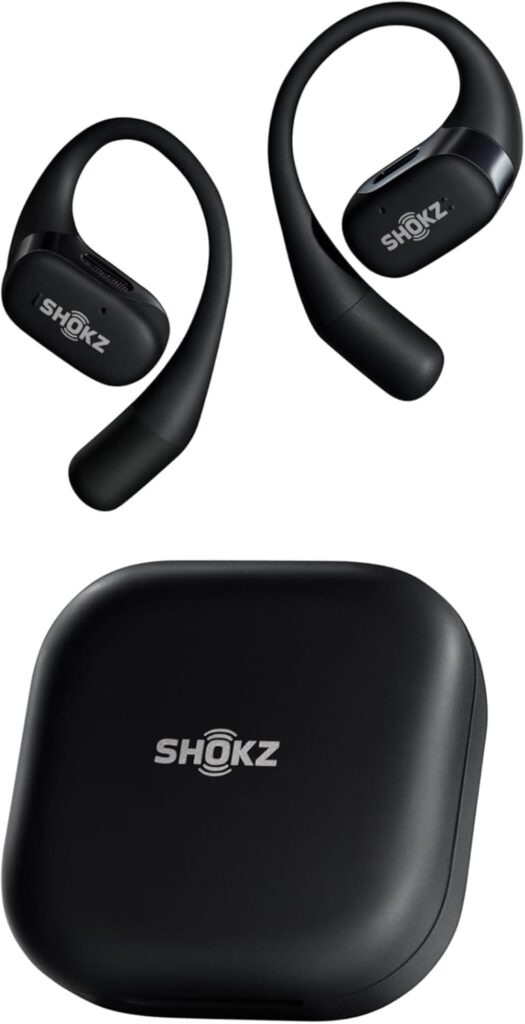
Shokz pioneered bone conduction audio, and the OpenFit adapts that open-ear philosophy into a clip-style design that rests in front of the ear canal opening without inserting into it.
Why It’s Good for Sleeping
No ear canal insertion means no canal pressure and no heat buildup inside the ear. For people who dislike the “plugged” feeling of in-ear audio, this is genuinely different. In my experience, the open-ear design also makes it far easier to hear ambient sounds — alarms, household noises, a child calling out — which is a real safety and practical advantage for parents.
Best Sleep Position: Back sleeping primarily. The over-ear hook design sits on the outer ear like a clip, which means side sleeping creates pressure from the hook against the pillow and ear. I found this uncomfortable after about an hour on my side.
Overnight Comfort Analysis
For back sleepers, these are quite comfortable. The clip is lightweight and doesn’t create significant pressure. For side sleepers, the hook mechanism unfortunately creates its own pressure point — different from earbuds, but still there.
Pressure & Heat
No ear canal pressure or heat. The over-ear hook can create minor cartilage pressure on the side of the outer ear after several hours of lateral sleeping, but this is less severe than standard earbuds.
Noise Blocking Performance
Intentionally none — that’s the design philosophy. The OpenFit keeps your ears acoustically open to your environment. This is excellent for people who need environmental awareness but makes them ineffective for snoring or noise masking.
Battery Experience
Around 7–8 hours, with the charging case extending total use to 28 hours. Solid for overnight use by most sleepers.
Realistic Downsides
- Open-ear design offers zero noise blocking
- Hook mechanism uncomfortable for side sleepers after 1–2 hours
- Audio leaks — could disturb a bed partner
- Not suitable for loud environments
Key Specs:
- Type: Open-ear clip (no canal insertion)
- Battery: ~7 hours (28 with case)
- Bluetooth: 5.2
- Weight: 8.3g per side
Pros:
- No ear canal insertion or pressure
- Maintains environmental awareness
- Comfortable for back sleepers
- Good battery life
- Lightweight design
Cons:
- Side sleeping uncomfortable with hook
- Zero noise isolation
- Audio leaks to environment/partner
- Not for loud environments
Best For: Back sleepers, parents who need to hear their children, light sleepers who prefer open-ear audio, or people who dislike any ear canal contact.
Quick Verdict: An interesting option for back sleepers with an open-ear preference, but the hook makes extended side sleeping impractical.
Sleep Position Compatibility Guide
This is the section I wish existed when I started testing. Sleep position is the single most important factor in choosing overnight audio — more important than price, features, or brand.
| Sleep Style | Recommended Type | Why |
|---|---|---|
| Side Sleeper | Ultra-flat in-ear (Soundcore A20, MAXROCK) or headband (SleepPhones, MUSICOZY) | Minimal protrusion prevents pillow pressure on ear canal or cartilage |
| Back Sleeper | Any style works: earbuds, open-ear (Shokz), or headband | No lateral pressure — most options are viable; ANC earbuds shine here |
| Stomach Sleeper | Pillow speaker (LC-dolida) or thin headband | Face-down position makes any ear-contact device painful; eliminate ear contact entirely |
| Combination Sleeper | Headband (SleepPhones, MUSICOZY) or flat earbuds (Soundcore A20) | Must tolerate all positions; headbands and ultra-flat earbuds survive movement best |
| Sensitive Ears | Headband (SleepPhones) or pillow speaker (LC-dolida) | Avoid all ear canal contact; fabric-only or external audio is safest |
| Tinnitus Sufferers | Any option with consistent sound output | Research suggests sound masking helps reduce tinnitus perception during sleep; consistency matters more than style |
| Travel Sleepers | Flat earbuds with ANC (Soundcore A20, Ozlo) | Compact, battery-efficient, noise-blocking; headbands shift in airplane seats |
| CPAP Users | Headband or pillow speaker | Over-ear masks make earbuds awkward; headband or pillow speaker remains accessible |
The side sleeper note deserves emphasis: approximately 69% of adults sleep on their side at some point during the night, according to Sleep Foundation data. Yet almost no mainstream earphones account for lateral pressure. If you’re a side sleeper, filter your options to headbands and ultra-flat in-ears first — and then consider other features.
Is It Safe to Sleep With Headphones Every Night?
This is a question worth taking seriously. The short answer is: yes, with care. The longer answer involves a few specific risks that are easy to manage once you understand them.
Hearing Safety and Volume Levels
The World Health Organization recommends no more than 85 decibels for up to 8 hours. For sleep specifically, the NIH recommends keeping overnight audio below 60–65 dB — roughly the volume of a quiet conversation — to avoid cumulative hearing damage.
Practical guidance:
- Set your device to no more than 50–60% volume before falling asleep
- Use the volume limit feature in your phone’s accessibility settings
- Many sleep-specific earbuds (Soundcore A20, Ozlo) include built-in volume caps for sleep mode
Ear Canal Moisture and Hygiene
Wearing earbuds overnight creates a warm, slightly humid environment inside the ear canal. Mayo Clinic ear specialists note that this can increase susceptibility to outer ear infections (otitis externa) with prolonged daily use. Mitigation is simple:
- Clean ear tips with alcohol wipes after every use
- Allow ears to air out for at least 1–2 hours daily without earbuds
- Watch for signs of irritation: itching, soreness, or unusual discharge
Physical Pressure Risks
As discussed earlier, ear cartilage pressure is real. The Cleveland Clinic documents that prolonged cartilage compression can cause irritation of the auricular cartilage. Using purpose-built, low-profile sleep audio devices — rather than standard earbuds — significantly reduces this risk.
Safety Consideration: Staying Alert to Alarms
One often-overlooked risk: full noise isolation during sleep can prevent you from hearing smoke alarms, carbon monoxide detectors, or a partner calling for help. This is why many sleep earbuds intentionally limit their noise blocking to leave some environmental awareness intact. If you use high-isolation earbuds or high-ANC settings, ensure your alarm system is sufficiently loud or uses a vibrating bed alert.
Cord Strangulation (Wired Earbuds)
For wired options, there is a documented risk of cord entanglement during sleep — though serious incidents are rare. If you use wired earbuds for sleep, shorter cables and clip-style cable management reduce this risk. This is one reason most sleep-specific products are wireless.
Sleep Headphones vs Earplugs vs White Noise Machines
These three solutions share a goal — helping you sleep better despite noise — but they work differently and suit different situations.
Earplugs
Best for: Maximum passive noise blocking, no audio needed, dead simple.
Foam earplugs are the cheapest, most effective passive noise solution available. A properly fitted foam earplug reduces noise by 25–33 dB — comparable to some ANC earbuds. They’re ideal if you simply need silence without any audio.
The downsides: they can be uncomfortable for side sleepers (same cartilage pressure issue), can’t deliver soothing audio, and need regular replacement for hygiene. According to the CDC, proper fit is essential for rated noise reduction — many people don’t insert them deeply enough.
Sleep Headphones / Earbuds
Best for: Combining noise reduction with audio content (white noise, music, podcasts, sleep sounds).
Purpose-built sleep headphones give you the ability to actively mask noise with desirable sounds — which research suggests is more effective for sleep onset than simple silence in many people. The Sleep Foundation notes that consistent background audio can help reduce the impact of sudden disruptive noises (snoring, traffic).
The trade-off: cost, battery management, ear comfort learning curve, and hygiene considerations.
White Noise Machines
Best for: Room-level sound masking without anything on your ears.
A dedicated white noise machine (or fan, humidifier, or sleep sound app on a speaker) fills the room with consistent broadband sound without requiring any ear contact. Research from Harvard Medical School supports that consistent ambient sound helps reduce the perception of disruptive noises by creating a masking effect across sleep cycles.
The limitation: they don’t help when you share a room with someone who wants silence, in hotel rooms or other environments where room-level sound would disturb others, or when traveling.
When to use each:
| Scenario | Best Solution |
|---|---|
| Home, partner snores moderately | Sleep earbuds or headband |
| Traveling, noisy hotel | Sleep earbuds with ANC |
| Home, want silence only | Foam earplugs |
| Home, partner also sensitive to noise | White noise machine |
| Ear pain with any ear contact | Pillow speaker + white noise machine |
What Actually Helps You Sleep Better?
Beyond the hardware, it’s worth understanding what the research actually says about audio and sleep quality — because the wrong audio approach can actively hurt your sleep even with the best headphones.
Sound Masking vs Silence
Many people assume total silence is ideal for sleep. Research published in PubMed suggests otherwise: it’s not silence but consistency that matters. The brain is more reactive to sudden changes in noise level than to consistent background sound. A steady fan, rain sounds, or white noise reduces the perceptual impact of intermittent disruptions (like snoring or traffic) more effectively than attempting silence in an imperfect environment.
What Audio to Choose
The American Academy of Sleep Medicine recommends audio that doesn’t require cognitive engagement before sleep. This means:
- Pink noise or white noise: effective for most people
- Nature sounds (rain, ocean): well-supported by research on sleep onset
- Audiobooks or podcasts at low engagement: works for some, stimulating for others
- Music: depends heavily on tempo and familiarity — familiar, slow-tempo music is generally sleep-supportive
What to avoid: Stimulating content — news, thriller podcasts, upbeat music — activates the brain’s arousal systems even at low volume.
Volume Matters More Than Content Type
A 2021 study in Frontiers in Neuroscience found that sleep-disrupting noise events were related to both volume and unpredictability. Consistent audio below 50 dB was associated with faster sleep onset and fewer reported awakenings. This is why the volume cap on your sleep audio device matters as much as what you’re playing.
Blue Light and Pre-Sleep Audio Preparation
One consideration that’s easy to overlook: your phone screen when selecting sleep audio. The NIH confirms that blue light exposure suppresses melatonin production. Using sleep audio devices with built-in sound libraries (like the Soundcore A20) avoids this — you set it before dimming your screen, rather than reaching for your phone to adjust it.
Final Verdict: Which Sleep Headphone Should You Buy?
Best for Side Sleepers: The Soundcore Sleep A20 is my consistent recommendation. Ultra-flat profile, ANC, built-in sleep sounds, excellent battery — it addresses side-sleeping pain better than any other earbud tested.
Best for Noise Blocking: The Bose QuietComfort Ultra Earbuds if you sleep on your back and the environment is genuinely loud. The Soundcore A20 if you need ANC and side-sleeping comfort.
Best for Comfort / Sensitive Ears: AcousticSheep SleepPhones Wireless — no hard parts, no ear canal contact, works for all sleep positions.
Best Budget Pick: MUSICOZY Sleep Headband — genuinely wearable overnight for under $30. Start here if you’re not sure which format works for you.
Best Premium Investment: Ozlo Sleepbuds — built from scratch for sleep use, with the engineering quality to match the price.
For Stomach Sleepers or Ear-Free Audio: LC-dolida Pillow Speaker — eliminates the ear problem entirely.
The honest truth: most people’s sleep audio problems are solved by choosing the right form factor for their sleep position, not by spending more money. A $25 headband can outperform a $300 earbud if the earbud’s shell keeps you awake at 3 AM.
FAQ – Best Headphones for Sleeping
Are sleep headphones safe?
Yes, generally — with two caveats. Keep volume below 60–65 dB overnight to protect hearing, and maintain regular ear hygiene to prevent moisture-related irritation. Purpose-built sleep headphones are safer than adapting standard consumer earbuds due to better fit, lower pressure profiles, and often built-in volume limits.
What headphones are best for side sleepers?
Side sleepers need ultra-flat in-ear profiles (Soundcore A20, MAXROCK) or fabric headbands (AcousticSheep SleepPhones, MUSICOZY). The critical spec is how far the earbud housing protrudes from the ear — less than 5mm is the target for comfortable side sleeping.
Can sleeping with headphones damage hearing?
Yes, if volume is too high for too long. The WHO recommends keeping audio below 85 dB for 8 hours. For sleep, 50–65 dB is more appropriate. Most sleep-specific devices include volume caps. Standard consumer earbuds at high volumes overnight carry real cumulative hearing risk.
Are earbuds or headbands better for sleeping?
It depends on your ear sensitivity and sleep position. Headbands (SleepPhones, MUSICOZY) are better for sensitive ears, stomach sleepers, and people who dislike ear canal contact. Flat earbuds (Soundcore A20, Ozlo) are better for noise isolation, active noise cancellation, and fit security during movement.
Do noise cancelling headphones help with snoring?
Yes, but with limits. ANC earbuds like the Soundcore A20 or Bose QC Ultra significantly reduce snoring volume. They work best combined with a consistent masking sound. No consumer ANC device completely eliminates a loud snorer, but the reduction is usually enough to allow sleep onset.
What volume is safe overnight?
NIH guidance suggests keeping overnight audio below 60–65 dB — roughly equivalent to a quiet conversation. In practical terms, this is around 40–50% of maximum volume on most smartphones. Enable your device’s volume limit in accessibility settings for automatic enforcement.
Are pillow speakers better than earbuds?
For people who experience ear pain from any earphone, yes. Pillow speakers (like the LC-dolida) eliminate all ear contact and pressure. The trade-off is zero noise isolation — pillow speakers add sound but don’t block external noise. For loud environments or snoring partners, earbuds with noise isolation are more effective.
Can sleep headphones improve insomnia?
Indirectly, yes. Sleep headphones don’t treat insomnia medically, but research supports that consistent sound masking can reduce sleep onset latency and improve sleep continuity by buffering disruptive noise. For chronic insomnia, CBT-I (Cognitive Behavioral Therapy for Insomnia) is the evidence-backed primary treatment; sleep audio is a supportive tool, not a cure.
Related Audio Guides
If you found this helpful, these related guides might interest you:
- Best Headphone Amps (2026 Buying Guide & Tested Picks)
- Best Headphones for Programmers: Top 6 for Deep Focus (2026)
- The Best Headphones for Music: Expert Tested & Compared
- Best Budget Headphones – Expert Tested
- Best Bass Headphones (2026 Tested Picks)
- Best Cheap Headphones (2026 Tested Picks Under $100)