


How Does AI Visual Search Work?


⚡ TL;DR — Key Takeaway AI visual search converts images into numerical vectors, compares them against a database of pre-indexed vectors, and returns the closest matches — all in milliseconds. The reason it works cross-modally (matching a photo against text descriptions, or vice versa) is a shared mathematical space where images and words are encoded […]
Lire PlusHow to Set Up DeepSeek on Janitor AI (2026 Complete Guide)

⚡ TL;DR — The 30-Second Answer To set up DeepSeek on Janitor AI, you need three things to match the same provider: a Proxy URL, an API key, and a model name. Mixing credentials from different providers (e.g., a DeepSeek key with an OpenRouter URL) is the #1 cause of every “Network Error” on this […]
Lire PlusMeigen AI Review: What It Actually Does

TL;DR — Meigen AI at a Glance What it is An AI image prompt gallery + multi-model image/video generator Who it’s for Creators, designers, marketers, and social media professionals who need AI visuals fast Biggest strength Curated, reusable prompts from real outputs — skip trial-and-error entirely Biggest weakness Dependent on a credit system; free tier […]
Lire PlusWe Found The Best Headphones for Sleeping (2026 Tested Picks)
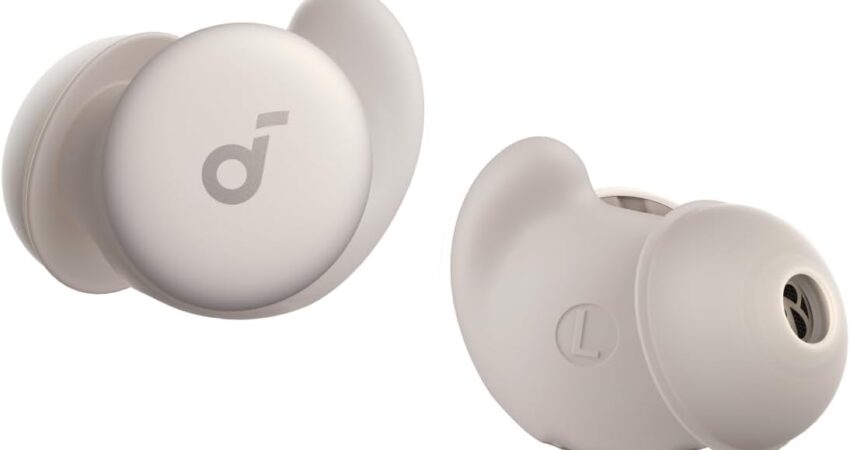
There’s a particular kind of frustration that comes at 11:47 PM — your partner is snoring, traffic is bleeding through the window, and every earbud you own starts digging into your ear the moment you roll onto your side. I’ve been there more times than I’d like to admit. The truth is, most people searching […]
Lire PlusDola AI Explained: What It Is, How It Works, and Why Everyone Is Using It
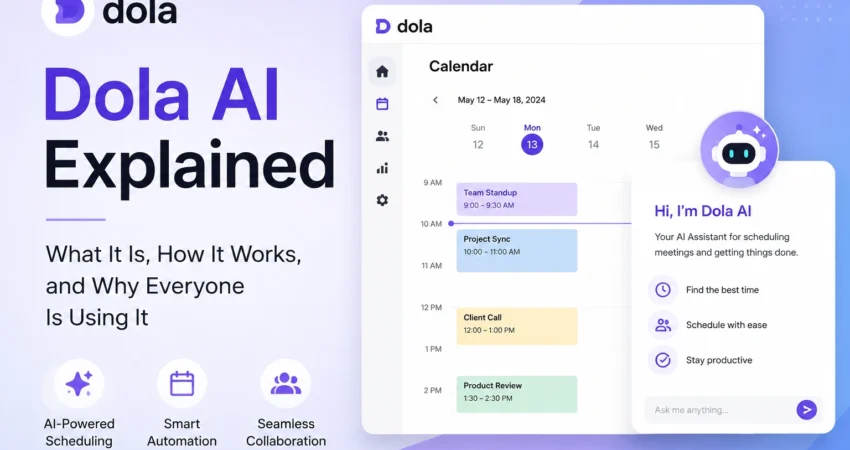
Introduction You open your phone, think “I need to schedule that call,” then immediately close the calendar app because you can’t face the tapping, typing, and time-zone scrolling. Sound familiar? Dola AI is the tool a lot of people are quietly starting to use instead. It lives inside WhatsApp or Telegram. You message it like […]
Lire PlusPorkbun vs Namecheap (2026): An Honest Comparison From Someone Who’s Tested Both
Most Porkbun vs Namecheap articles were written by people who registered one .com, took screenshots of both dashboards, and called it a review. This isn’t that. I’ve tested both registrars across dozens of domains — personal projects, client sites, and a small domain portfolio I actively flip for profit. I’ve transferred domains in and out […]
Lire PlusBest Gaming Keyboards Under $350 (2026 Tested Picks)
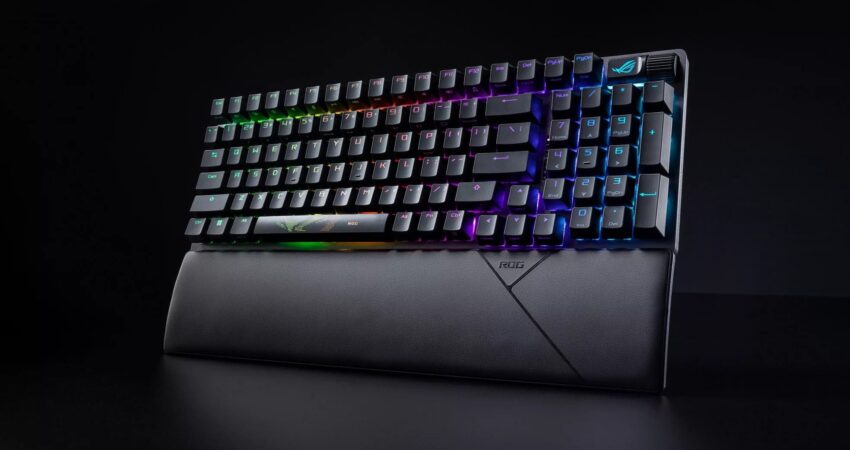
Finding the best gaming keyboards under $350 is harder than it looks — the market is flooded with RGB-drenched marketing, vague specs, and keyboards that feel great in unboxing videos but fall apart under competitive pressure. We’ve spent months testing mechanical gaming keyboards, optical boards, and Hall Effect switches across FPS sessions, typing marathons, and […]
Lire PlusAgence SEO Astrak : Avis Complet, Services, Tarifs
Tu cherches des informations fiables sur l’agence SEO Astrak avant de prendre une décision ? Ce guide compile tout ce qui est vérifiable : positionnement réel, services détaillés, résultats documentés, tarifs publics, profils clients adaptés — et aussi ce qu’Astrak ne fait pas. Ce que tu trouveras ici que les autres pages n’ont pas : […]
Lire PlusHostinger vs Namecheap: A No-BS Comparison
If you’ve been Googling Hostinger vs Namecheap, you’ve probably landed on five articles that all look identical. Same table. Same vague verdict. Same affiliate links dressed up as “expert picks.” I’ve used both platforms on real live sites. Not test sites, not sandboxes — actual client projects, personal blogs, and e-commerce stores. I know where […]
Lire PlusSE Ranking vs Ahrefs: We Used Both — Here’s Our Honest Pick
The se ranking vs ahrefs debate comes up in almost every SEO conversation I have with agency owners and freelancers. And the frustrating thing? Most articles that try to answer it are either written by people who haven’t seriously used both tools, or they’re quietly biased toward one tool without ever saying why. I’ve run […]
Lire Plus