


Hermes vs OpenClaw: My Honest Opinion After Testing Both

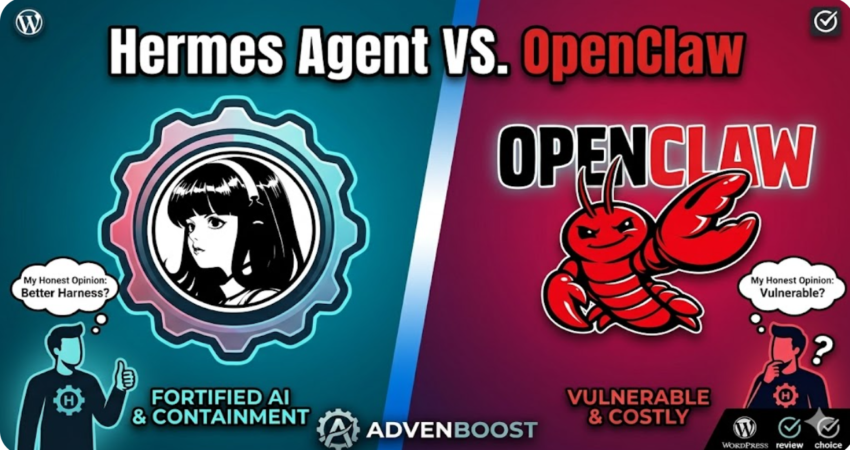
For AI engineers, system architects, devops engineers, and automation builders. Focus keyword density intentionally conservative. Claims backed by primary sources throughout. TL;DR — Read this before anything else Why This Comparison Matters in Real Systems The phrase “AI agent” now covers a spectrum so wide it is nearly meaningless. A pipeline that calls a single […]
Lire PlusNemoClaw System Requirements (Minimum & Recommended Specs)
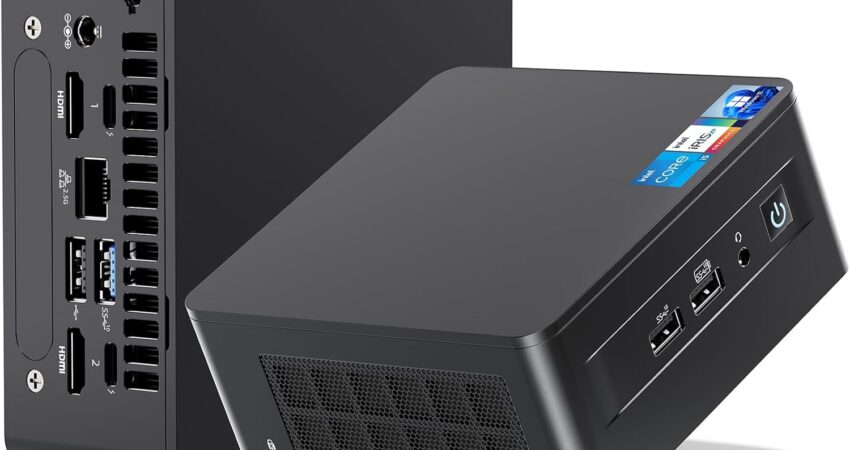
By a Senior Technical Writer & Hardware Consultant | Source: advenboost.com ⚡ TL;DR — Quick Decision Box Minimum Recommended CPU 4-core / 8-thread (Intel i5-10th Gen / Ryzen 5 3600) 8-core / 16-thread (Intel i7-13th Gen / Ryzen 9 7900X) RAM 16 GB DDR4 32–64 GB DDR5 Storage 256 GB SSD (SATA) 1 TB NVMe […]
Lire PlusOpenClaw vs Nanobot: What Most People Choose Wrong
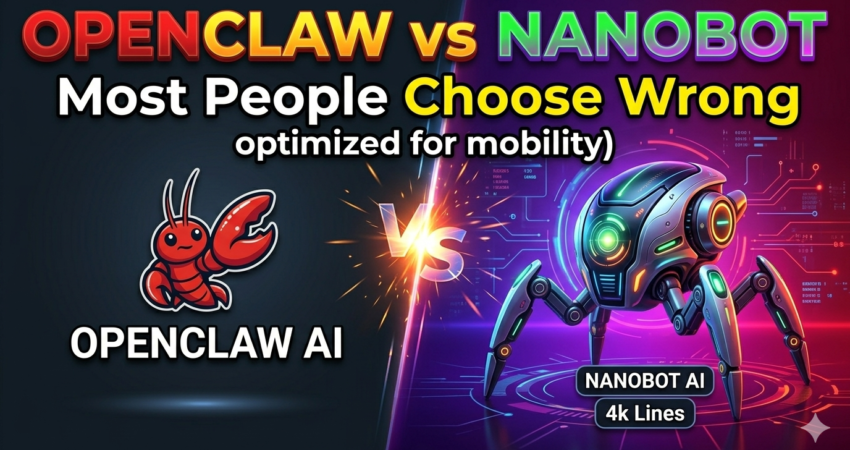
⚡ TL;DR — Decision Engine Choose OpenClaw if you need a full-featured, self-hosted AI agent framework with strong security controls, multi-model support, and a production-ready deployment path. Consider “Nanobot” if — and this is where we need to slow down — you first clarify which Nanobot you mean. The term refers to multiple tools across […]
Lire PlusZeroClaw vs. OpenClaw: Is the 99% Memory Reduction Actually Real?
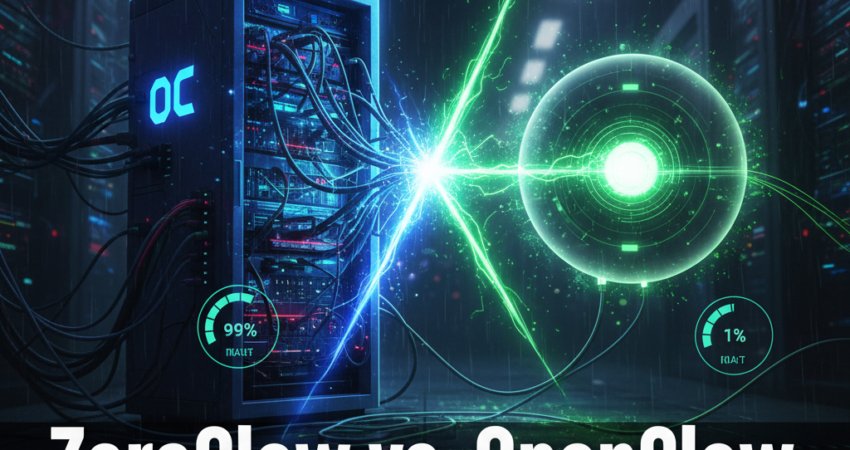
TL;DR: The Snapshot Verdict Metric ZeroClaw OpenClaw Winner Binary Size 5-8 MB 800 MB – 1.2 GB ZeroClaw (99% reduction) RAM Usage (Idle) 12-18 MB 200-400 MB ZeroClaw (95% reduction) Cold Start Time 10-50 ms 5-12 seconds ZeroClaw (100x faster) Skill Ecosystem Limited (20+ tools) Extensive (500+ plugins) OpenClaw Community Support Growing (niche) Mature (established) […]
Lire PlusHow to Setup ZeroClaw: A Simple Guide for Reliable AI Agents
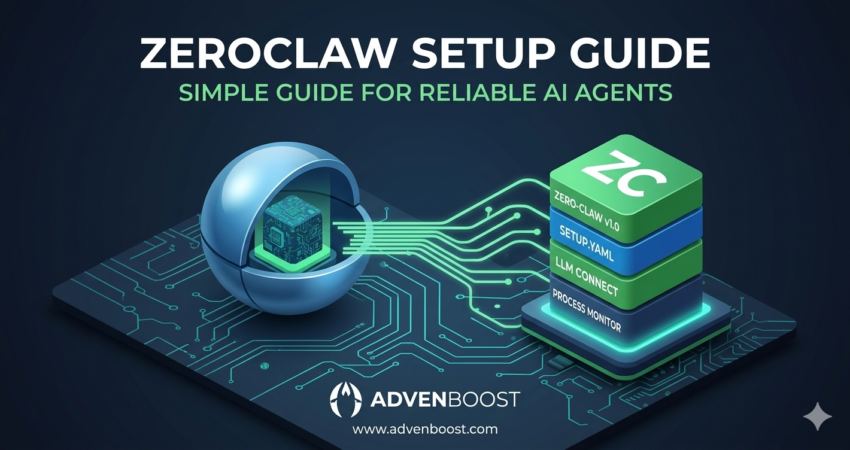
TL;DR ZeroClaw is the minimalist’s answer to bloated agent frameworks in 2026. It gives you lightweight AI orchestration with built-in state snapshots, reasoning trace extraction, and contract-first handoffs—solving the reliability crisis that plagues most agent tutorials. If you want production-grade automation without the complexity of LangChain or CrewAI, this is your blueprint. Introduction: The Agent […]
Lire PlusMoltbook : How to Build a Production-Ready, Secure Agent Deployment
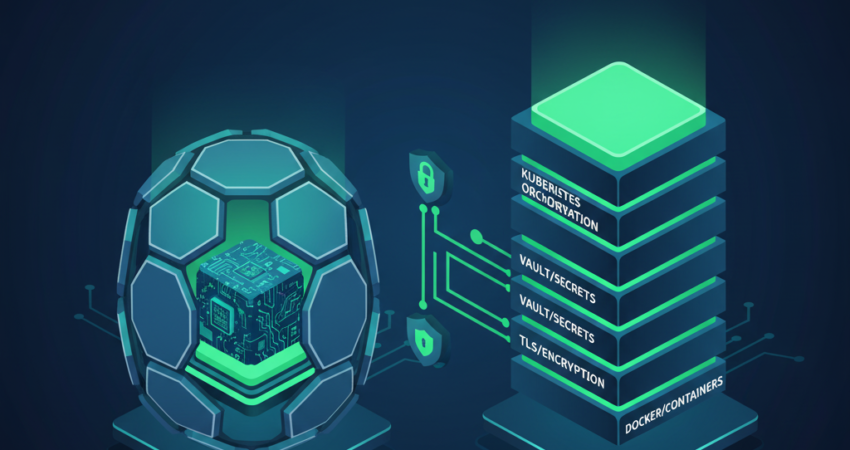
TL;DR — Key Takeaways Moltbook AI is a powerful agentic framework, but its default quickstart configuration has exposed over 1.5 million tokens in production environments due to hardcoded credentials, missing row-level security (RLS), and unrestricted agent execution. This guide shows you how to deploy Moltbook AI using zero-trust principles, ephemeral containers, secrets management, and behavioral […]
Lire PlusKimi K2.5: Is the 1.04T Model Actually Better Than GPT-5.2?

Kimi K2.5 represents a fundamental architectural shift in production AI inference. Consequently, engineers face a critical question: Does the 1.04-trillion-parameter Mixture-of-Experts (MoE) model justify replacing GPT-5.2 in enterprise agent orchestration? The answer reveals uncomfortable truths about API overhead, Swarm latency, and the hidden costs of monolithic reasoning architectures. Specifically, most teams overpay for sequential processing […]
Lire PlusNanobot : How to Build Your First Lightweight Agent
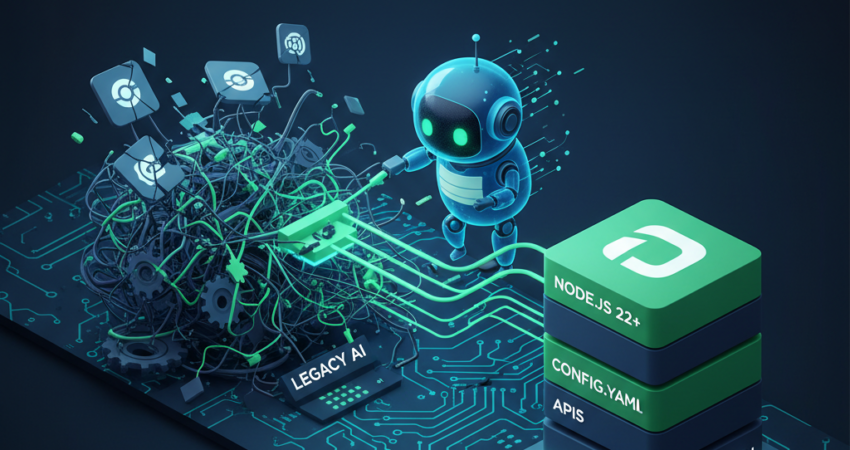
Nanobot ai represents the antidote to framework bloat. Indeed, if you’ve ever deployed a 2GB agent framework just to call an API, you understand the frustration. Legacy systems bundle everything—vector databases, orchestration layers, monitoring dashboards—into monolithic packages that consume resources unnecessarily. In contrast, nanobot ai delivers surgical modularity where you assemble only essential components. This […]
Lire PlusOpenClaw Requirements: What Do You Actually Need to Run It
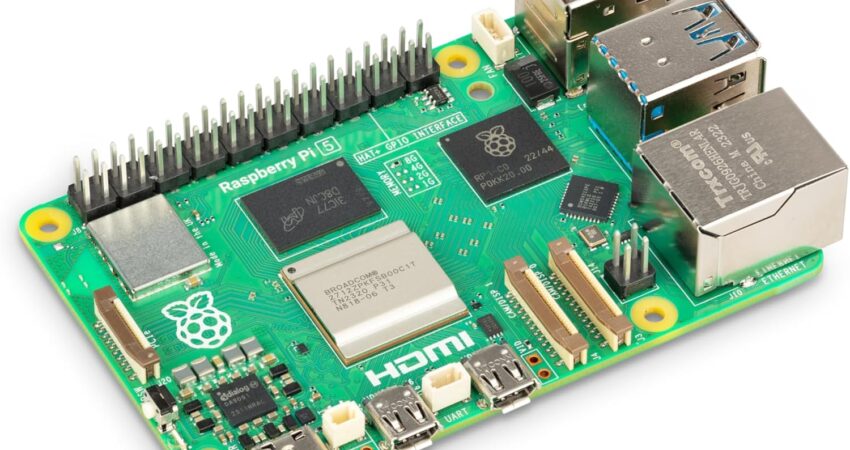
OpenClaw requirements are the first question every developer asks before deploying autonomous AI agents in 2026. You’re not alone in wondering whether your existing hardware can handle a 24/7 AI employee. The honest answer? Most “minimum specs” floating around the web are dangerously outdated. They promise you can run production-grade agentic workflows on 512MB of […]
Lire PlusOpenClaw ClawHub: The 2026 Security-First Guide to Agent Skills

OpenClaw ClawHub has become the defining infrastructure of the autonomous agent era, yet most practitioners dangerously underestimate its attack surface. The autonomous agent revolution has arrived, but with it comes a shadow: malicious skill injection, remote code execution, and supply chain attacks that would make traditional DevOps vulnerabilities look quaint. If you’re reading this, you’ve […]
Lire Plus