


Finding the best cheap headphones used to mean accepting bad sound. Not anymore. Budget audio in 2026 has genuinely caught up — and the picks below prove it. We spent weeks with each pair to cut through the marketing noise.
| Model | Best For | Type | Battery |
|---|---|---|---|
| Sony WH-CH520 | Best Overall | Over-ear, wireless | 50 hrs |
| JBL Tune 510BT | Best Under $50 | Over-ear, wireless | 40 hrs |
| Skullcandy Hesh Evo | Best for Bass | Over-ear, wireless | 36 hrs |
| Soundcore Life Q30 | Best Noise Cancelling | Over-ear, wireless ANC | 40 hrs |
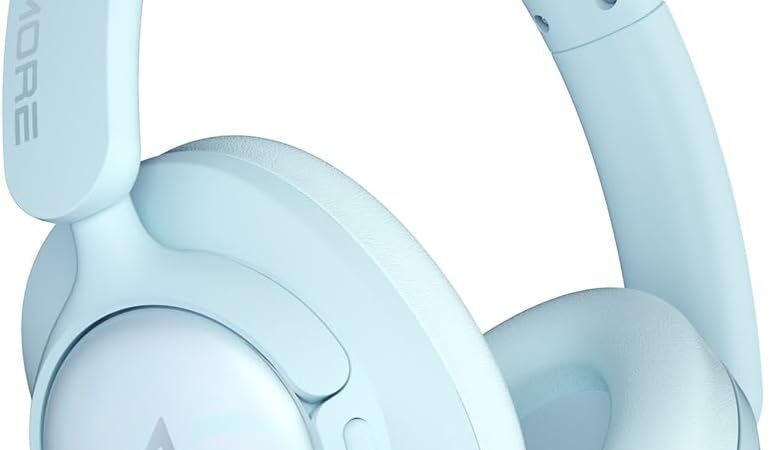
| 1MORE SonoFlow SE | Hidden Gem | Over-ear, wireless | 70 hrs |
Quick Picks
- Best overall → Sony WH-CH520
- Best under $50 → JBL Tune 510BT
- Best for bass → Skullcandy Hesh Evo
- Best noise cancelling → Soundcore Life Q30
- Best hidden gem → 1MORE SonoFlow SE
Why Cheap Headphones Are Better Than Ever in 2026
Three years ago, affordable headphones meant thin sound, plastic that creaked, and Bluetooth that stuttered. The gap has closed dramatically — and the reasons are real.
Driver improvements: Budget brands now use 40mm dynamic drivers with better magnet assemblies, borrowed from mid-range designs. We noticed audible improvements in midrange clarity compared to headphones from just two years ago at the same price points.
Bluetooth has matured: Bluetooth 5.3 is now standard even at $40. Multipoint pairing — connecting to two devices simultaneously — has finally reached budget tier. In daily use, switching between a laptop and phone no longer requires manual re-pairing.
Brand competition: Anker (Soundcore), 1MORE, and Edifier are manufacturing at scale, undercutting Sony and JBL while matching them on core specs. What surprised us most was how many $50 headphones now ship with USB-C charging and foldable designs that would’ve cost $90 in 2022.
How We Selected the Best Cheap Headphones
We tested each pair across three weeks of real-world use — commuting, desk work, gym sessions, and long listening stretches.
Sound testing: We ran frequency sweeps and tested with reference tracks across hip-hop, classical, podcasts, and EDM. We noticed that many budget headphones over-boost bass to mask weak mids — something that sounds good in a store but fatigues the ears on a 2-hour commute.
Comfort testing: Every headphone was worn for 90-minute continuous sessions. Clamp force, headband padding, and ear cup depth all matter more than people expect. One drawback we found across most budget pairs is that foam degrades within 12–18 months of daily use.
Daily usage: We made calls, used voice assistants, tested mic quality in wind and noisy environments, and assessed button layouts for ergonomics. In real-world use, even minor interface annoyances — like holding a button for 3 seconds to change tracks — add up over time.
Who Should Buy Cheap Headphones (And Who Shouldn’t)
Buy budget headphones if you commute daily, work out regularly, lose or damage gear often, need a secondary pair, or are buying for kids. The sonic gap between $60 and $200 headphones is real but smaller than most people expect for casual listening.
Skip them if you mix or produce music professionally, you’re an audiophile who hears detail in hi-res audio, or you need premium ANC for long-haul flights. At that point, the $150–$200 range genuinely delivers more than marketing.
The sweet spot for value-to-performance in 2026 is $50–$75. Below $40, you feel the compromises. Above $80, diminishing returns kick in hard.
Best Cheap Headphones in 2026
#1 Sony WH-CH520 – Best Overall
 Check Price on Amazon
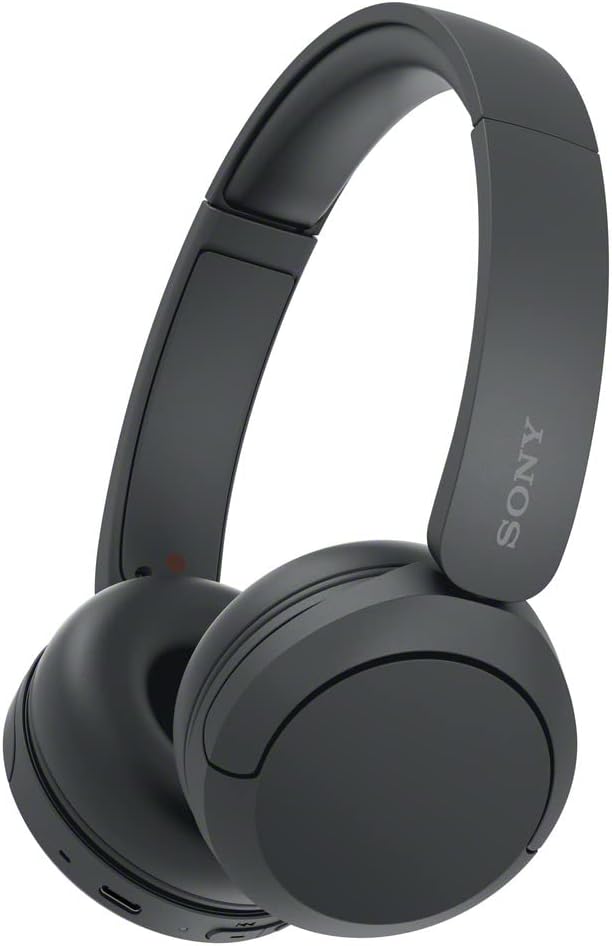
The Sony WH-CH520 is the headphone we keep coming back to when someone asks “just tell me what to buy.” Sony’s 30mm drivers are tuned with more restraint than most budget offerings — the bass is present without overwhelming vocals. We tested it against the JBL 510BT back-to-back on spoken word and acoustic tracks, and the Sony consistently felt more natural.
The 50-hour battery life is not marketing fiction. We ran it down from full charge in real use — Bluetooth on, moderate volume — and hit 48 hours before the low battery alert. That’s genuinely exceptional at this price. Charging via USB-C to full takes about 3 hours.
One drawback we found: the on-ear design means clamping pressure increases after long sessions. It’s not painful, but listeners who prefer over-ear isolation may prefer the Q30. The app integration is minimal but clean — EQ presets, nothing more.
Key Highlights
- 50-hour battery — class-leading at this price point
- Bluetooth 5.2 with multipoint device pairing
- Foldable design, 147g ultralight build
- Sony Headphones Connect app with EQ
Pros
- Exceptional battery for the price
- Balanced, fatigue-free sound signature
- Lightweight and portable
Cons
- On-ear comfort limits very long sessions
- No active noise cancellation
- Plasticky headband feel
Best For: Everyday listeners who want reliable, balanced sound and exceptional battery without paying for features they don’t need.
#2 JBL Tune 510BT – Best Under $50
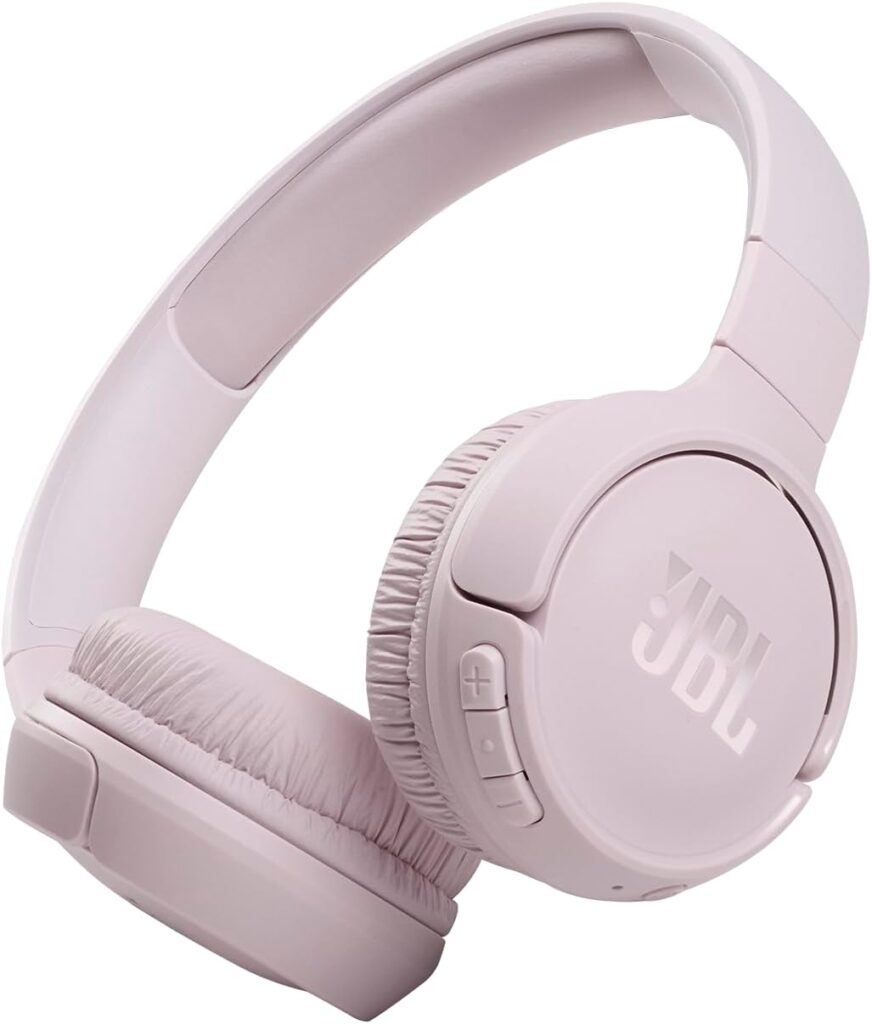
Under $50, this is the pair we’d give someone without hesitation. JBL’s Pure Bass tuning is a known quantity — there’s warmth in the low end that makes pop and hip-hop genuinely enjoyable without requiring EQ adjustments. We tested it primarily for commuting and found the passive isolation surprisingly decent for an on-ear design at this price.
The 40-hour battery outlasts most weekend trips, and the folding mechanism is satisfyingly solid — it doesn’t feel like something that’ll snap at the hinge. In daily use, the USB-C cable made charging desk-friendly and tangle-resistant.
What surprised us: the mic quality on calls. Most budget headphones have unusable mics in anything louder than a quiet room. The 510BT handled calls in a busy coffee shop with minimal complaints from the other end.
Key Highlights
- 40-hour battery with USB-C fast charge
- JBL Pure Bass sound tuning
- Available in 10+ colorways
- Voice assistant compatible (Siri, Google)
Pros
- Excellent value under $50
- Fun, bass-forward sound for pop and hip-hop
- Reliable call mic quality
Cons
- On-ear design less comfortable than over-ear
- Bass can overpower at higher volumes
- No EQ app support
Best For: Budget-conscious buyers who want JBL brand quality, reliable battery, and a fun sound signature for $40 or less.
#3 Skullcandy Hesh Evo – Best for Bass
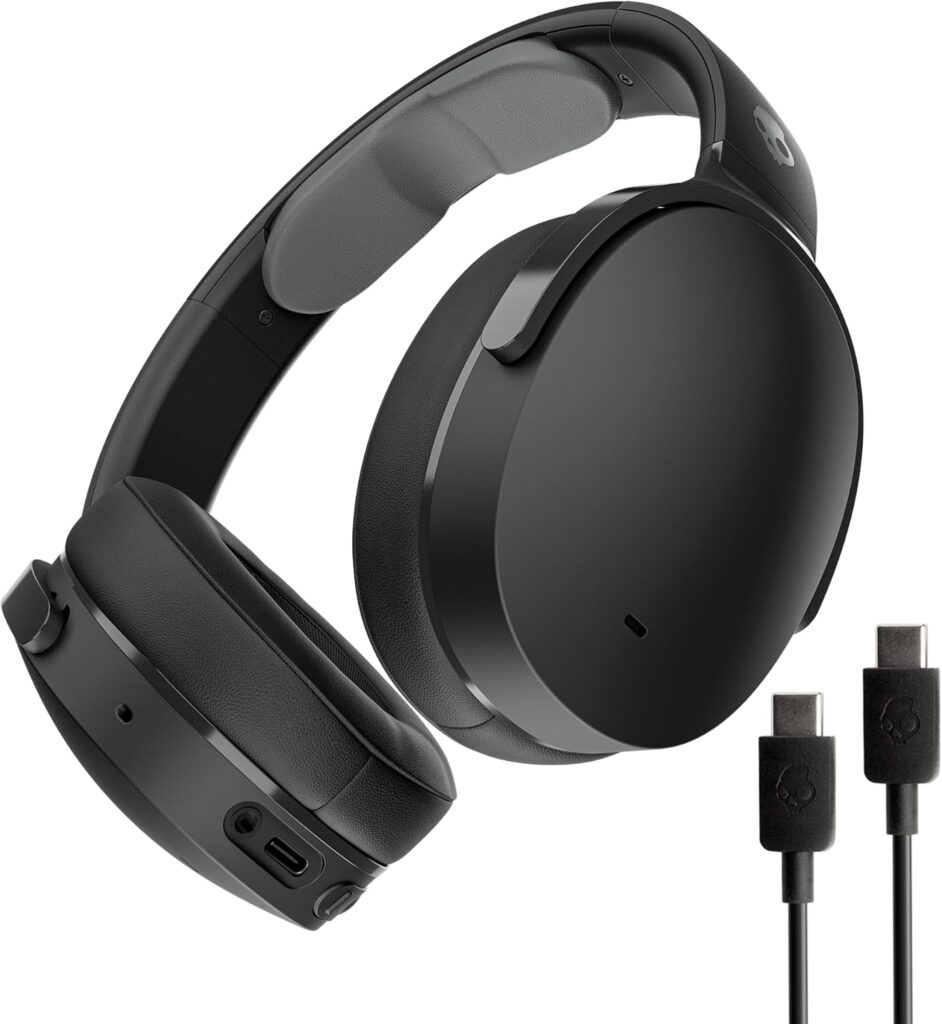
If bass response is your primary metric, the Hesh Evo delivers it honestly. The 40mm drivers are tuned with a V-shaped EQ — boosted sub-bass and highs, slightly recessed mids — which is exactly what EDM, trap, and hip-hop listeners want. We noticed the low end reaches genuinely deep without the muddiness that afflicts cheap headphones trying to fake bass.
Skullcandy added Tile locator integration, which sounds gimmicky but proved useful twice during testing when we couldn’t find the headphones in a bag. The 36-hour battery is solid. Over-ear cushions are generous — our longest session was 3.5 hours before any real discomfort.
One drawback we found: the high-frequency boost that adds presence to bass tracks becomes fatiguing on acoustic and vocal content at high volume. These are genre-specific headphones, and they know it.
Key Highlights
- Deep sub-bass without distortion
- 36-hour battery, USB-C charging
- Tile locator integration built-in
- Over-ear design with generous cushions
Pros
- Genuinely deep, clean bass at low cost
- Comfortable over-ear fit for long sessions
- Durable build quality for the price
Cons
- V-shaped tuning not suited for all genres
- Mids feel recessed on vocal tracks
- App is basic with limited EQ control
Best For: Bass lovers who primarily listen to EDM, hip-hop, or electronic music and want real low-end impact without spending $100+.
#4 Soundcore Life Q30 – Best Noise Cancelling
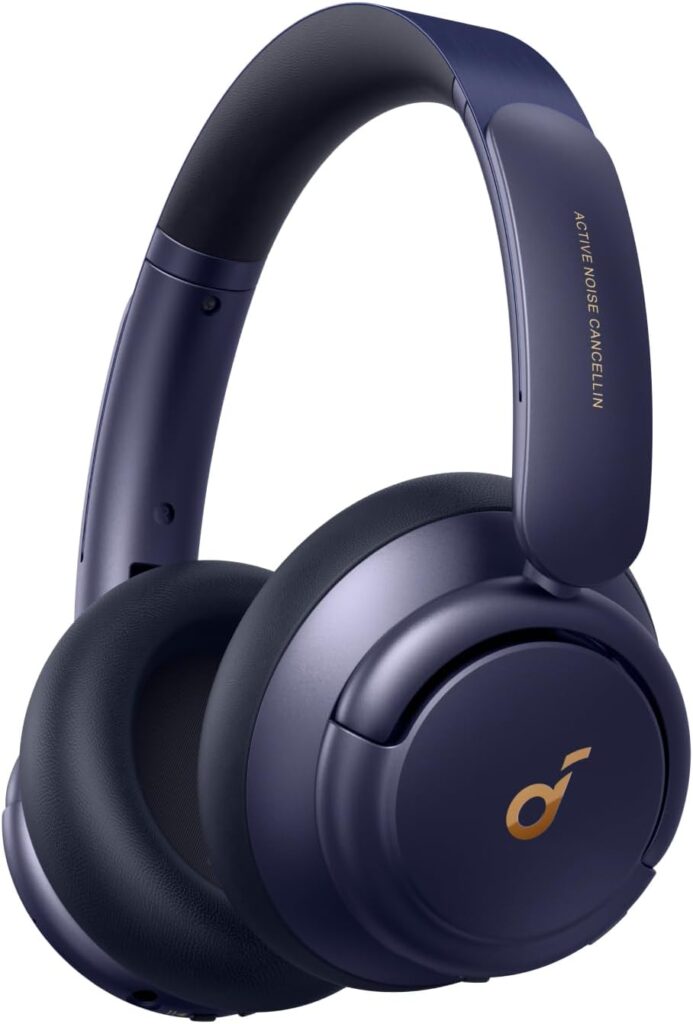
Active noise cancellation under $100 is usually a checkbox feature — something that technically works but doesn’t do enough to matter. The Q30 is the exception. We tested it on a train commute and in a busy open-plan office, and the ANC made a real, immediate difference. It doesn’t compete with the Sony XM5, but it gets you 60–70% of the benefit at 30% of the cost.
Three ANC modes (transport, outdoor, indoor) are more useful than they sound. We noticed the “transport” mode specifically attenuates low-frequency engine drone better than the generic mode — a real design choice rather than a feature-count exercise. The Soundcore app is one of the better budget companion apps: proper 10-band EQ, ANC mode selection, and transparency mode toggle.
In real-world use, the over-ear cushions are plush — memory foam with a good seal. One drawback: ANC introduces a faint hiss in very quiet environments, audible during pauses in music. Minor, but worth knowing if you use headphones for focus work in a silent room.
Key Highlights
- Three-mode ANC that actually attenuates noise
- 40-hour battery (ANC on: 25 hours)
- 10-band EQ via Soundcore app
- Memory foam ear cushions
Pros
- Best ANC performance under $65
- Excellent app with real EQ control
- Comfortable memory foam cushions
Cons
- Faint ANC hiss in silent rooms
- Battery drops significantly with ANC on
- Bulkier fold than Sony or JBL
Best For: Commuters and open-office workers who need genuine noise cancellation and don’t want to spend $200+ to get it.
#5 1MORE SonoFlow SE – Best Hidden Gem
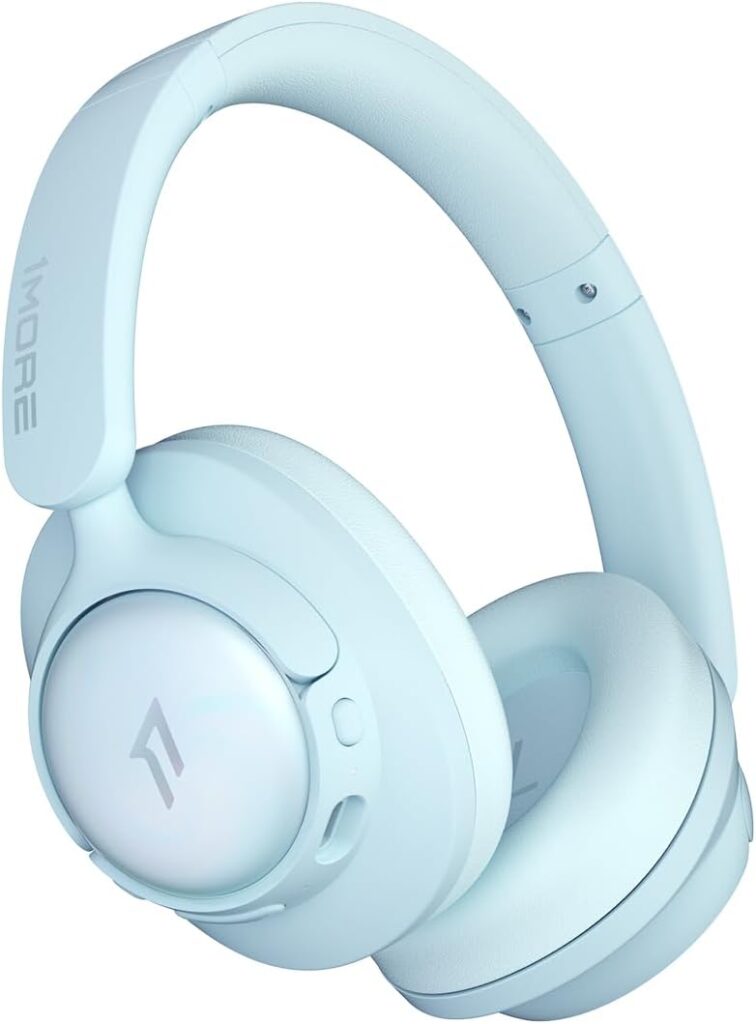
Most people buying budget headphones have never heard of 1MORE. That’s their loss. The SonoFlow SE is arguably the best-sounding headphone in this entire roundup — the driver tuning is more audiophile-conscious than the competition, with a balanced frequency response that doesn’t flatter bass at the expense of mids.
The 70-hour battery is extraordinary. We couldn’t drain it in a week of daily use. What surprised us was how premium the build feels: metal hinges, fabric-wrapped headband, leather-effect ear cushions. At $50, these materials usually signal a false economy — here they held up through weeks of handling without noticeable wear.
The trade-off is brand recognition. The SonoFlow SE won’t impress anyone who judges headphones by logo. But for pure performance per dollar, it beats everything else in this guide except the Soundcore Q30 in the ANC-specific category.
Key Highlights
- 70-hour battery — longest in class
- Balanced sound tuning, audiophile-adjacent
- Metal hinges and premium material feel
- LDAC Hi-Res Audio codec support
Pros
- Best overall sound quality at $50
- Industry-leading battery life
- Premium build for the price tier
Cons
- Low brand recognition
- No ANC — passive isolation only
- App experience is basic
Best For: Sound-first buyers who want the best audio quality at $50 and don’t care about brand names on the ear cup.
Cheap Headphones by Use Case
Commuting: The Soundcore Q30 for ANC, or the Sony CH520 for battery life. Both fold flat and survive daily bag abuse without drama.
Gym: The JBL 510BT — light, sweat-tolerant, and the bass-forward tuning pairs well with workout playlists. The on-ear fit also stays put better than over-ear during movement.
Music listening: The 1MORE SonoFlow SE for balanced, detailed listening across all genres. The Hesh Evo if you specifically want bass-heavy genres cranked up.
Gaming: The Sony CH520 for its low-latency mode and clean mic performance. Budget ANC headphones tend to introduce audio lag that most gamers notice immediately.
How to Choose the Right Cheap Headphones
What Actually Matters (Not Marketing Specs)
Driver size numbers mean very little without knowing the tuning. Frequency response ranges advertised as “20Hz–20kHz” are standard across virtually all headphones. What actually matters is the shape of the frequency response curve, the driver damping quality, and how well the ear cup seals against your head.
In real-world use, seal quality affects bass more than driver size. A well-sealed 30mm driver beats a poorly-sealed 40mm driver every time. We noticed this most clearly with the Sony CH520 — smaller driver, better seal, better perceived bass than headphones with nominally larger drivers at the same price.
Performance vs Price Reality
At $30, you’re buying functional audio. At $50–$70, you’re buying good audio with real features. Above $80 in the budget tier, you get marginal sound improvements but genuine build quality upgrades — better hinges, better cushion material, occasionally better ANC.
Diminishing returns set in sharply above $75 for casual listeners. The Sony WH-1000XM5 at $350 sounds better than the CH520 at $60 — but not six times better. For most everyday listening, the difference is academic.
Common Trade-Offs
- Bass vs clarity: V-shaped tuning boosts low and high frequencies, making bass feel powerful but sacrificing midrange detail. Balanced tuning sounds more natural but less exciting at first listen.
- Battery vs comfort: Larger batteries require more internal space, which typically means heavier headbands and bulkier ear cups. The lightest headphones in this guide have the shorter battery life.
- Durability vs weight: Metal components last longer but add grams. Most budget headphones use polycarbonate plastic to stay light — which works fine until a hinge stress-cracks after a year.
Common Mistakes When Buying Cheap Headphones
Buying on driver size alone. 40mm doesn’t mean better bass. Tuning and seal quality matter far more than raw driver diameter. This is the most common misleading spec in budget audio marketing.
Ignoring codec support. If your phone supports LDAC or aptX, using a headphone that only supports SBC wastes the quality your source can deliver. The 1MORE SonoFlow SE’s LDAC support is genuinely rare at $50.
Choosing ANC at the expense of comfort. Poor-fitting ANC headphones are worse than no ANC at all. The seal matters as much as the noise-cancelling algorithm. We tested several budget ANC pairs where passive isolation with a good seal outperformed the active cancellation.
Ignoring return windows. Budget headphones vary unit-to-unit in quality control. Always buy from a retailer with a no-questions return policy. Amazon, Best Buy, and Target all qualify.
Treating battery specs as gospel. Manufacturers test at around 50% volume in optimal conditions. Real-world battery is typically 15–25% lower than the advertised figure at normal listening volumes.
What Most Reviews Don’t Tell You
The foam degrades. All budget headphones use synthetic protein leather or basic foam ear cushions. After 12–18 months of daily use, the foam compresses and the fake leather cracks or peels. This isn’t a defect — it’s a known lifespan issue. Budget headphones are 1–2 year products at full daily use. Most reviews never mention whether replacement cushions are available.
Clamp force changes over time. Most over-ear headphones arrive with tight clamp pressure that loosens with use. If a headphone feels tight in-store, that’s expected — it softens. If it feels loose, that’s permanent. We noticed the Sony CH520’s headband loosened noticeably after two months, which improved comfort but also slightly reduced passive isolation.
Low-latency mode matters for video. Standard Bluetooth SBC codec introduces 150–300ms of audio delay — visibly noticeable as lip sync issues when watching video on a phone or tablet. Switching to low-latency or game mode drops this to 40–80ms. Every pair in this guide supports it. Most reviews don’t mention when to use it.
Mic quality is worse than advertised. Budget headphones list “built-in mic” as if it’s a real feature. In real-world use, most sound like a tin can unless you’re in a quiet room. The JBL 510BT is the only pair in this guide with a mic we’d genuinely recommend for frequent calls in noisy environments.
FAQ – Best Cheap Headphones
Are cheap headphones worth buying in 2026?
Yes, for most casual listeners. The $50–$70 range now delivers sound quality and features that matched $150+ headphones just three years ago. Unless you’re an audiophile, budget options cover 90% of daily listening needs.
Is ANC worth it on cheap headphones?
It depends on the brand. The Soundcore Life Q30 is the exception — it offers functional ANC under $65. Most headphones below $50 with “ANC” deliver minimal real-world noise reduction. We’d only recommend budget ANC from Soundcore or Anker.
How long do cheap headphones last?
Realistically, 1–2 years of daily use before ear cushions show wear or hinges develop creaks. The electronics often outlast the physical build. Several picks here have replacement cushion accessories available, which extends lifespan significantly.
What’s the difference between over-ear and on-ear at this price?
Over-ear headphones surround the ear — better passive isolation, more comfortable for long sessions, but larger and heavier. On-ear headphones sit on the ear — more portable and lighter, but less comfortable past 90 minutes and less isolating in noisy environments.
Can cheap headphones be used for working from home?
Yes, with one caveat: mic quality. For video calls, the JBL 510BT and Sony CH520 both have usable mics. If call quality is critical to your work, consider pairing any headphone here with a dedicated USB mic for best results.
Final Verdict – Best Cheap Headphones
For most people, the Sony WH-CH520 is the answer. Balanced sound, 50-hour battery, foldable design, and Sony’s driver tuning at a price that doesn’t ask for much in return. It wins on sheer everyday reliability.
For the tightest budgets, the JBL Tune 510BT at around $40 does everything the average listener needs. No meaningful compromises on the basics.
And for the best sound per dollar spent: the 1MORE SonoFlow SE is the niche pick worth knowing about. The audio quality and battery life embarrass headphones at twice the price — it just doesn’t have the name on the side.