




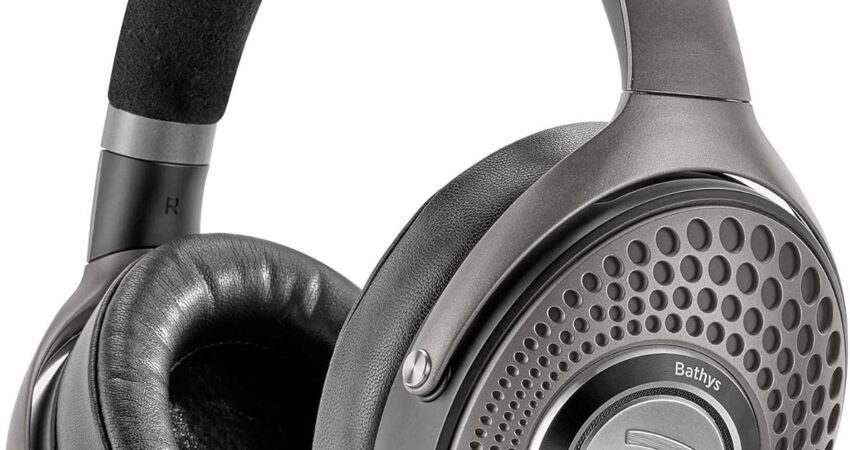
Are you tired of headphones that promise deep bass but deliver muddy, bloated sound instead? For bass-heads and music lovers who crave powerful low-end performance, finding the best bass headphones means understanding the difference between quantity and quality. True bass excellence isn’t just about volume—it’s about clarity, depth, and impact.
However, not all bass is created equal. Boomy bass sounds impressive initially but quickly becomes fatiguing and masks vocal clarity. In contrast, tight, punchy bass delivers controlled impact that enhances your music without overwhelming it. Additionally, driver size and closed-back designs play crucial roles in bass reproduction, with larger 40-50mm drivers moving more air to create rumbling sub-bass frequencies.
| Headphones | Bass Type | Driver Size | Best For | Action |
|---|---|---|---|---|
| Sony WH-1000XM5 | Deep Sub-Bass | 30mm | Wireless convenience + powerful bass | Check Price |
| Skullcandy Crusher ANC 2 | Tactile Rumble | 40mm | Haptic bass vibration | Check Price |
| Audeze LCD-2 Classic | Audiophile Bass | 106mm Planar | Studio-quality low-end clarity | Check Price |
| Beyerdynamic DT 770 Pro | Clean Punchy Bass | 45mm | Mixing and critical listening | Check Price |
| JBL Tune 760NC | Budget Bass | 40mm | Affordable wireless bass | Check Price |
| Focal Radiance | Refined Low-End | 40mm | Premium clarity with impact | Check Price |
 Check Prices on Amazon
 Best Bass Headphones for Deep Sub-Bass
When searching for rumbling bass headphones, you want models that reproduce frequencies below 60Hz with authority. According to the Audio Engineering Society, sub-bass frequencies between 20-60Hz require substantial driver excursion to produce audible sound pressure levels. These headphones excel at delivering the chest-thumping impact that makes electronic music, hip-hop, and action movie soundtracks come alive.
Skullcandy Crusher ANC 2
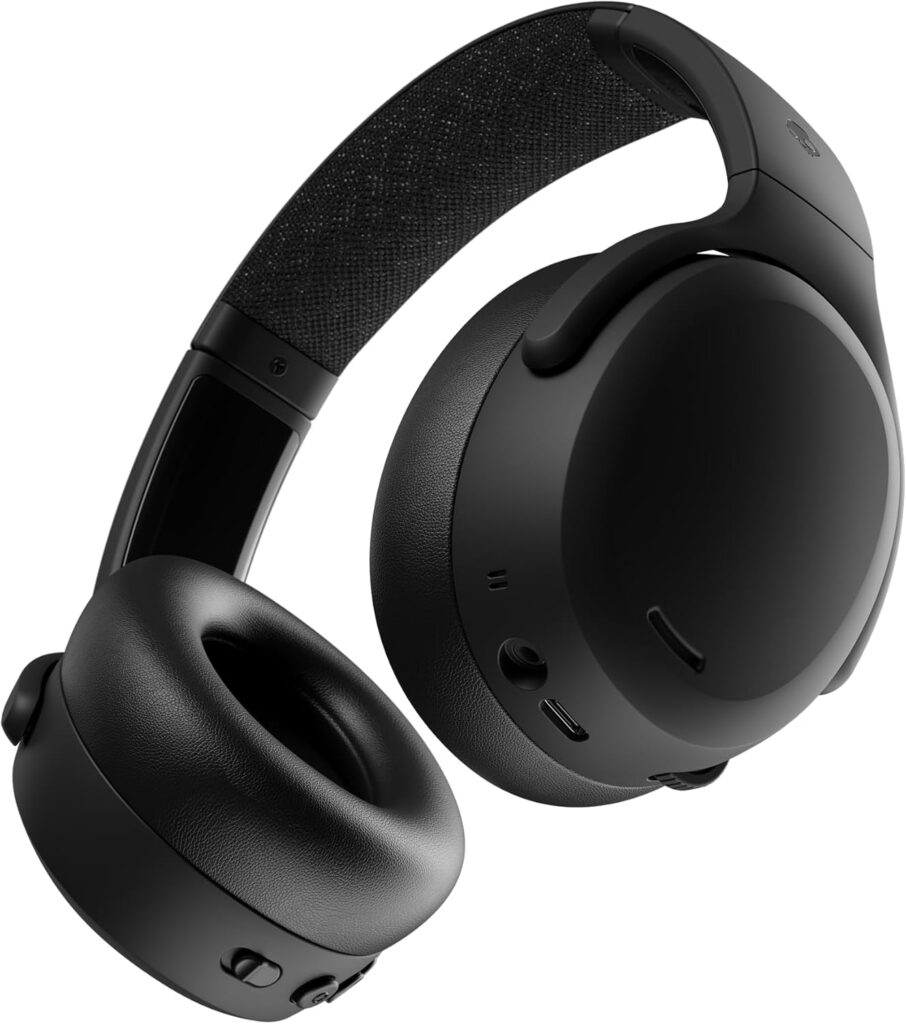
The Skullcandy Crusher ANC 2 represents a unique approach to bass reproduction through haptic feedback technology. Unlike traditional headphones that rely solely on driver movement, these incorporate dedicated bass drivers that create physical vibrations you can feel.
The adjustable bass slider lets you control vibration intensity from subtle to overwhelming. Therefore, you can customize your listening experience based on genre and mood. Meanwhile, the 40mm drivers handle mid-range and treble duties separately from the bass transducers.
Bass performance extends impressively down to 20Hz, creating genuine sub-bass presence that rivals the best headphones for music production. Consequently, tracks with deep synthesizer notes or kick drums deliver tactile impact. Additionally, the active noise cancellation enhances bass perception by eliminating environmental noise that typically masks low frequencies.
Key Features:
- Haptic bass technology with adjustable intensity
- 40mm audio drivers plus dedicated bass transducers
- Active noise cancellation
- 50-hour battery life
- Personalized sound via Skull-iQ app
Pros:
- Physical bass sensation adds immersion
- Excellent sub-bass extension
- Strong ANC performance
- Comfortable for extended wear
Cons:
- Haptic feature drains battery faster
- Bass can overpower at maximum settings
- Slightly heavy due to extra drivers
Sony WH-1000XM5
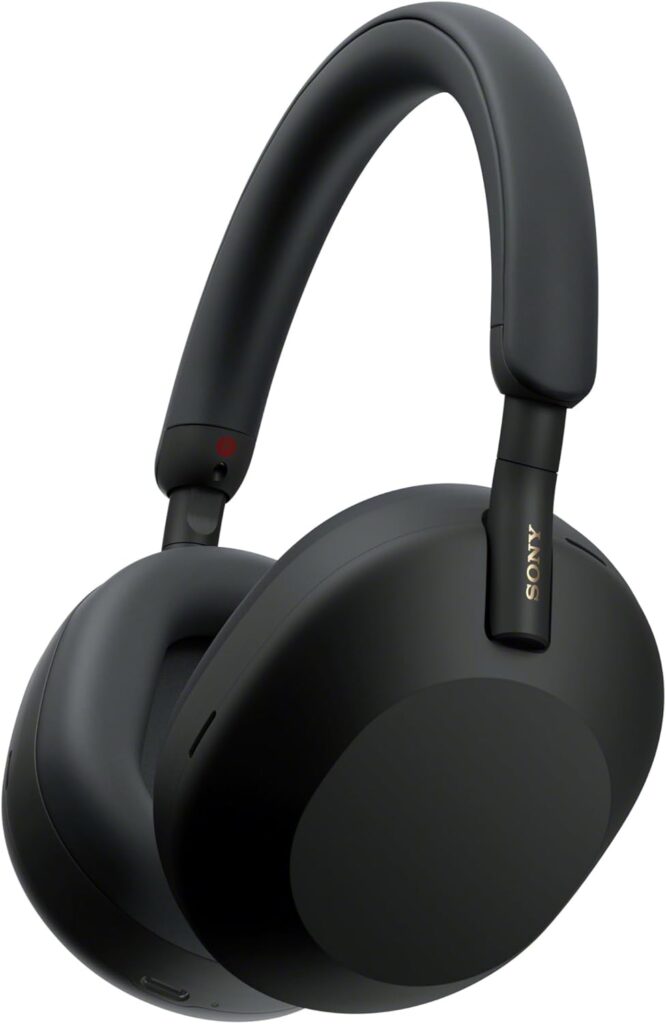
Sony’s flagship wireless headphones deliver exceptional deep bass without dedicated haptic drivers. Instead, the 30mm drivers utilize advanced digital signal processing to enhance low-frequency response while maintaining balance across the spectrum.
The bass-heavy headphones tuning emphasizes sub-bass frequencies around 30-60Hz. However, Sony’s engineers avoid the bloated mid-bass hump that plagues many consumer headphones. For example, orchestral music retains clarity while electronic genres benefit from enhanced low-end impact.
Notably, the companion app provides extensive EQ customization similar to what you’d find in our wireless headphones guide. The “Excited” preset boosts bass substantially, while “Relaxed” offers more neutral tuning. Additionally, DSEE Extreme upscaling restores bass detail lost in compressed audio files.
Key Features:
- Industry-leading noise cancellation
- 30mm carbon fiber drivers
- LDAC high-resolution Bluetooth codec
- Adaptive sound control
- 30-hour battery life
Pros:
- Balanced bass that doesn’t muddy vocals
- Excellent wireless audio quality
- Superior comfort for long listening sessions
- Multipoint Bluetooth connectivity
Cons:
- Smaller drivers than competitors
- Premium pricing
- Not ideal for wired audiophile use
Best Bass Headphones for Clean Punchy Bass
Audiophile bass differs fundamentally from consumer-tuned bass-heavy headphones. Rather than emphasizing quantity, these models prioritize accuracy, speed, and texture in bass reproduction. According to Headphone.com frequency response measurements, truly balanced bass maintains linearity between 20-200Hz without excessive peaks. Consequently, you hear bass guitars, kick drums, and orchestral timpani with realistic detail.
Beyerdynamic DT 770 Pro
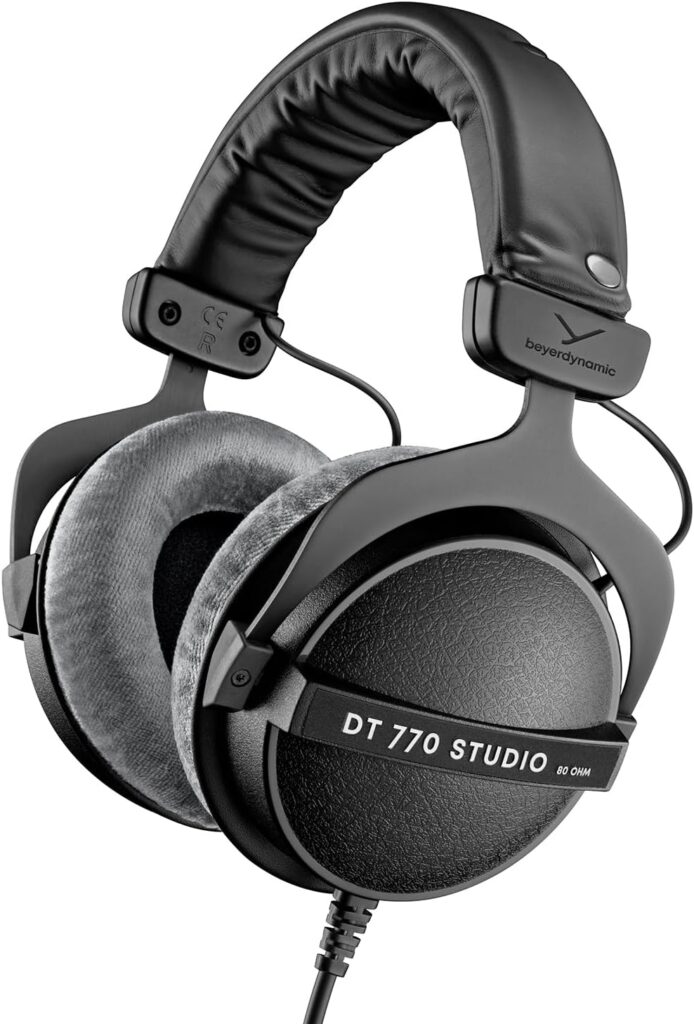
The legendary Beyerdynamic DT 770 Pro has defined professional bass reproduction for decades. These closed-back studio headphones feature massive 45mm dynamic drivers housed in carefully engineered acoustic chambers.
Bass response extends smoothly to 5Hz according to the manufacturer. However, the real magic lies in mid-bass punch around 80-200Hz where most musical instruments reside. Therefore, bass guitars cut through dense mixes while electronic kick drums maintain sharp attack.
The 80-ohm version works well with mobile devices and audio interfaces. Meanwhile, 250-ohm models benefit from dedicated headphone amplifiers, revealing even greater bass control and detail. Additionally, the replaceable velour ear pads contribute to bass accuracy through proper acoustic sealing, making them excellent options whether you need the best gaming headphones or critical listening tools.
Key Features:
- 45mm neodymium drivers
- Available in 32, 80, and 250-ohm impedance
- Replaceable parts for longevity
- Coiled 3-meter cable
- Made in Germany
Pros:
- Exceptional bass detail and texture
- Comfortable for marathon sessions
- Built to professional standards
- No battery required
Cons:
- Non-detachable cable
- No wireless option
- Higher impedance versions need amplification
- Bulky for portable use
Audeze LCD-2 Classic
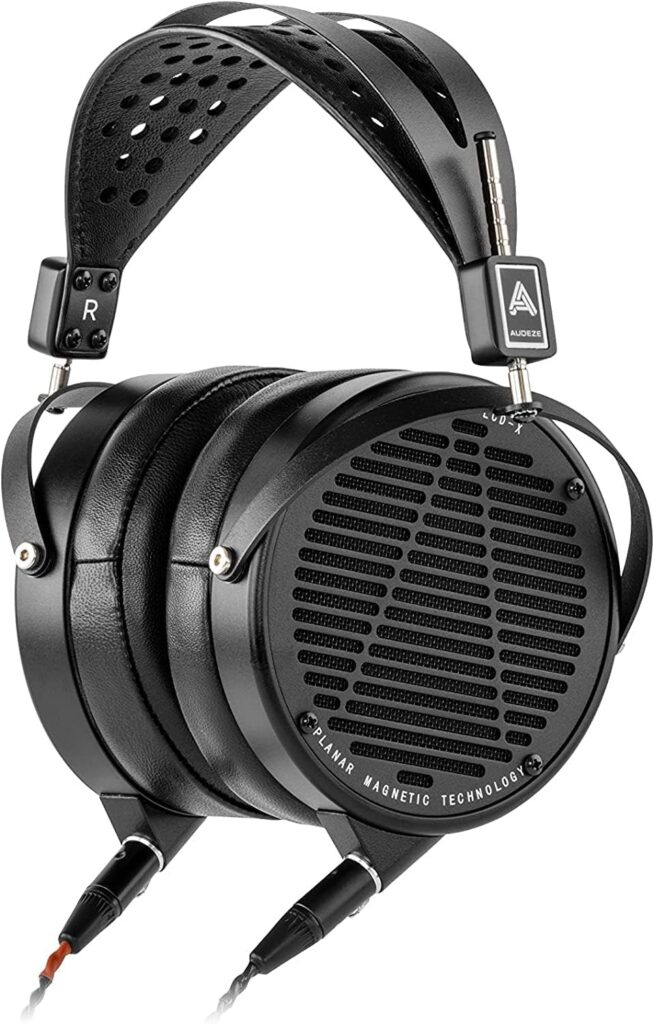
Planar magnetic technology transforms bass reproduction through fundamentally different driver design. The Audeze LCD-2 Classic employs massive 106mm planar drivers that move uniformly across their entire surface.
Consequently, bass transients respond with incredible speed and accuracy. For instance, double bass plucks reveal string texture, while synthesizer sweeps maintain clarity throughout the frequency range. According to the Acoustical Society of America, planar drivers exhibit superior impulse response compared to conventional dynamic drivers. Additionally, distortion remains vanishingly low even at high volumes.
The open-back design initially seems counterintuitive for bass reproduction. However, planar drivers generate bass impact through precision rather than isolation. Therefore, these headphones excel in quiet environments where sound leakage isn’t problematic.
Key Features:
- 106mm planar magnetic drivers
- Handcrafted wooden ear cups
- Low 70-ohm impedance
- Premium leather headband
- Detachable cables
Pros:
- Reference-quality bass accuracy
- Exceptional dynamic range
- Minimal distortion
- Luxurious build quality
Cons:
- Extremely heavy at 550 grams
- Requires powerful amplifier
- Open-back leaks sound
- Premium pricing
Focal Radiance
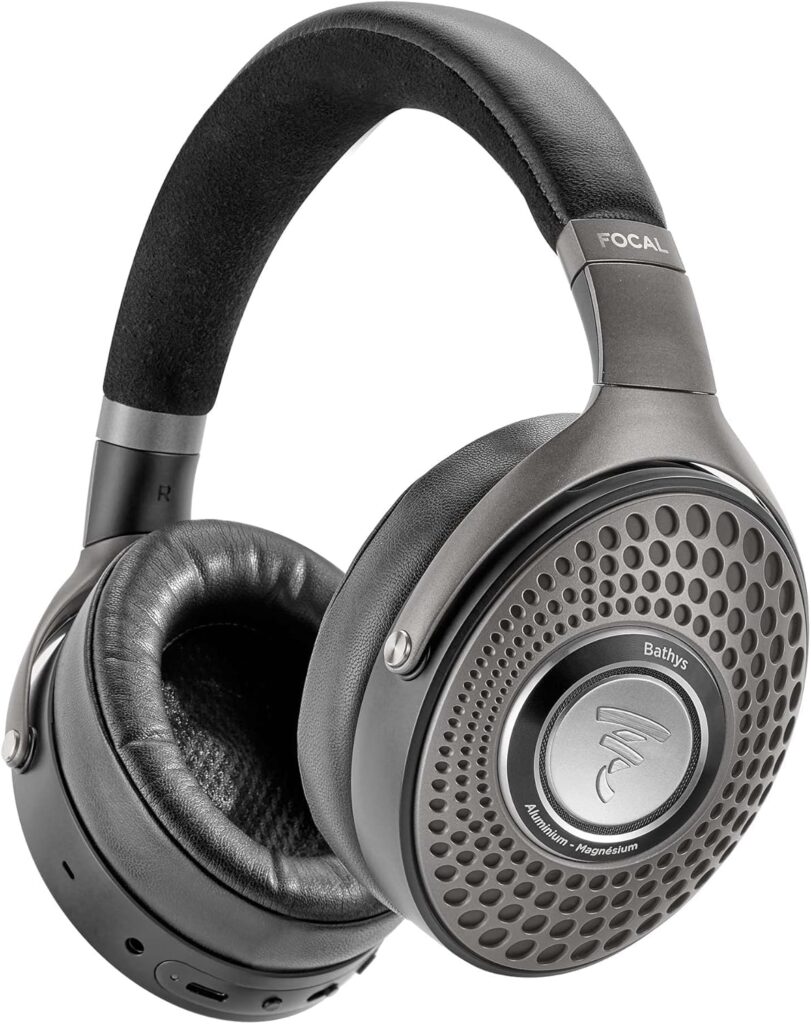
Focal’s closed-back flagship combines French audio engineering with luxurious materials. The 40mm M-shaped aluminum/magnesium dome drivers deliver audiophile bass with closed-back isolation.
Bass reproduction emphasizes control and refinement over raw impact. Consequently, orchestral works reveal double bass sections with proper weight and presence. Meanwhile, rock music benefits from tight, punchy kick drums that don’t bleed into the midrange.
Notably, the impedance varies between 35 and 55 ohms depending on frequency. Therefore, bass frequencies receive appropriate damping while treble remains effortless. Additionally, lambskin leather ear pads enhance comfort during critical listening sessions.
Key Features:
- 40mm M-shaped aluminum/magnesium drivers
- Closed-back design for isolation
- Handmade in France
- Premium lambskin leather
- Two detachable cable options
Pros:
- Refined, textured bass response
- Excellent build quality
- Comfortable despite heft
- Beautiful aesthetics
Cons:
- Very expensive
- Heavy at 450 grams
- Benefits from quality amplification
- Limited portability
Best Budget Bass Headphones
Affordable doesn’t mean compromising on powerful bass. Several manufacturers deliver impressive low-end performance without premium pricing through smart engineering and material choices.
JBL Tune 760NC
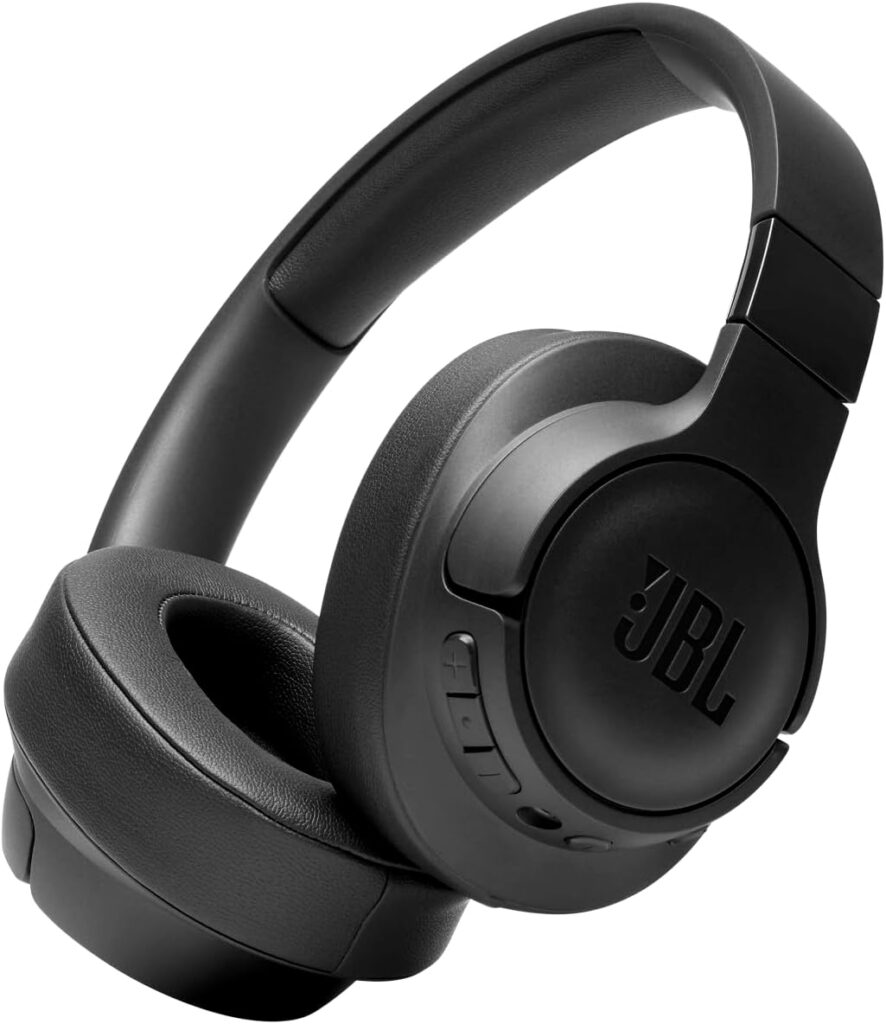
JBL’s expertise in professional audio translates effectively to consumer headphones. The Tune 760NC offers substantial bass for casual listening at budget-friendly pricing.
The 40mm drivers produce JBL’s signature “Pure Bass Sound” tuning. Therefore, hip-hop and EDM tracks receive generous low-end enhancement. However, the bass lacks the refinement and control of premium models.
Additionally, active noise cancellation helps bass perception by reducing external noise. According to the Bluetooth Special Interest Group, modern Bluetooth 5.3 implementations minimize latency for better audio synchronization. The battery delivers 50 hours with ANC off, making these excellent travel companions. Meanwhile, stable wireless connectivity ensures uninterrupted listening.
Key Features:
- 40mm dynamic drivers
- Active noise cancellation
- 50-hour battery life
- Foldable design
- Multi-point connection
Pros:
- Excellent value for money
- Strong bass presence
- Long battery life
- Lightweight and portable
Cons:
- Bass can sound boomy
- Plastic build feels less premium
- ANC performance trails leaders
- Limited EQ customization
Anker Soundcore Life Q30
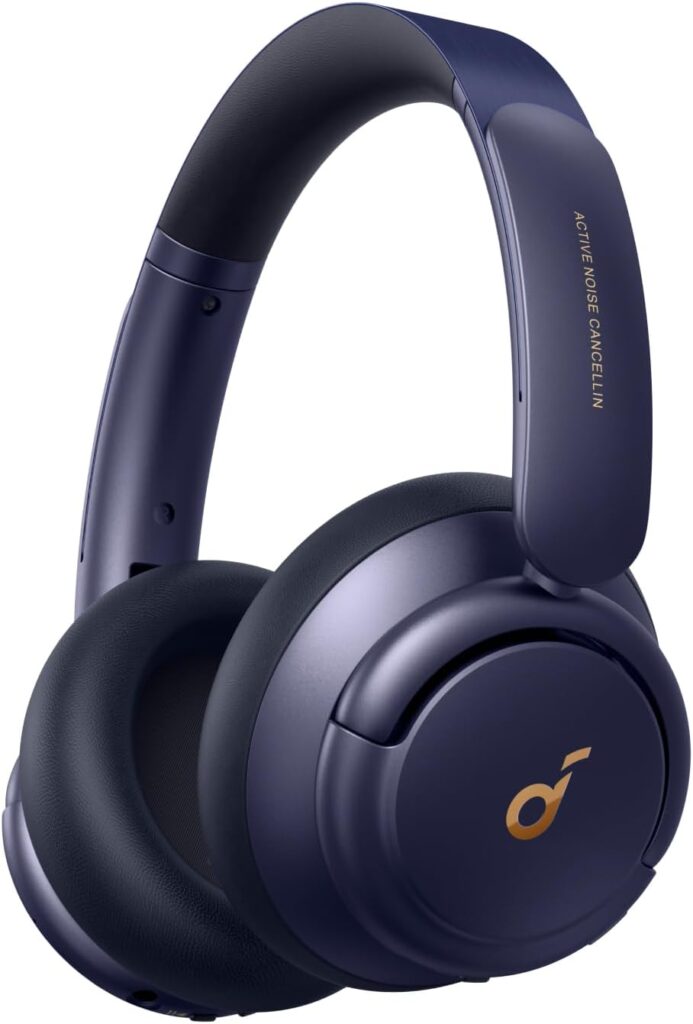
Anker’s Soundcore division punches above its weight class with the Life Q30. These wireless headphones deliver customizable bass through multiple EQ modes that make them competitive in any headphone buying guide.
The “Bass Booster” preset significantly enhances sub-bass and mid-bass frequencies. Consequently, you get consumer-tuned bass that satisfies casual listeners. However, the companion app allows switching to more balanced profiles when needed.
Hybrid active noise cancellation uses multiple microphones to cancel environmental noise effectively. Therefore, bass frequencies remain clear even in noisy environments. Additionally, the 40-hour battery life ensures extended use between charges.
Key Features:
- 40mm silk-diaphragm drivers
- Hybrid active noise cancellation
- Multiple EQ presets
- 40-hour battery life
- Hi-Res Audio certified
Pros:
- Incredible value
- Flexible sound customization
- Solid ANC for the price
- Comfortable memory foam pads
Cons:
- Bass lacks detail at highest volumes
- Build quality below premium models
- ANC introduces slight hiss
- Limited codec support
How to Choose the Best Bass Headphones
Selecting ideal bass headphones requires understanding several technical factors beyond marketing claims. Therefore, informed decisions start with knowing how headphones reproduce low frequencies.
Driver Size and Bass Power
According to the Audio Engineering Society research on transducer design, larger drivers physically move more air, creating greater bass impact. Typically, 40-50mm drivers provide optimal bass reproduction for over-ear headphones. However, driver size alone doesn’t guarantee quality bass.
Additionally, driver material significantly affects bass response. For example, beryllium and aluminum drivers offer superior rigidity for controlled movement. Research published by Headphone.com demonstrates that driver breakup modes—unwanted resonances—occur at different frequencies depending on material composition. Meanwhile, paper and plastic drivers can produce pleasing warmth but less precision.
The Acoustical Society of America research indicates that driver excursion—how far the diaphragm moves—matters more than size for sub-bass extension. Consequently, well-engineered 30mm drivers sometimes outperform mediocre 50mm alternatives in bass depth. Furthermore, voice coil design and magnetic field strength directly influence bass control and power handling.
Closed-Back vs Open-Back Design
Closed-back headphones isolate your ears within sealed chambers. Therefore, bass energy remains trapped near your eardrums rather than dissipating into the environment. According to the Audio Engineering Society acoustics research, sealed enclosures create higher sound pressure levels at low frequencies. This design inherently enhances perceived bass impact.
In contrast, open-back headphones allow sound to escape through perforated ear cups. Consequently, they produce more natural soundstage but sacrifice bass quantity. Studies from the Acoustical Society of America confirm that open-back designs reduce low-frequency efficiency by 6-10dB compared to closed systems. However, planar magnetic open-back models like the Audeze LCD series prove exceptions through superior driver technology.
The Bluetooth Special Interest Group technical documentation notes that passive isolation from closed-back designs reduces the need for excessive bass boosting in wireless implementations. Therefore, well-designed closed-back headphones achieve deep bass without sacrificing midrange clarity or battery life.
EQ and Bass Boost
Software equalization transforms headphone bass response dramatically. Tools like Equalizer APO for Windows or Wavelet for Android enable precise frequency adjustments, as detailed in our guide on how to use an equalizer.
For instance, boosting frequencies between 20-60Hz enhances sub-bass rumble without affecting vocals. However, excessive mid-bass boost around 100-200Hz creates muddiness. According to Headphone.com measurement data, bass peaks above 6dB relative to neutral typically cause masking of midrange frequencies. Therefore, surgical EQ adjustments yield better results than broad bass boosts.
The USB Implementers Forum documentation on USB audio specifications confirms that digital EQ introduces minimal distortion compared to analog bass boost circuits. Consequently, software EQ represents the cleanest method for customizing bass response. Additionally, USB Audio Class 2.0 supports higher sample rates and bit depths, preserving bass detail during digital processing.
Additionally, parametric EQ allows targeting specific frequency ranges with adjustable Q-factor (bandwidth). For example, reducing 300Hz slightly while boosting 40Hz creates tighter, deeper bass by eliminating mid-bass bloat. Research from the Audio Engineering Society demonstrates that narrow-band EQ corrections effectively address driver resonances. Meanwhile, graphic EQ provides simpler preset-based adjustments for casual users.
According to Headphone.com compensated measurements, proper EQ can transform mediocre bass into excellent performance. However, physical limitations exist—no EQ creates sub-bass extension that drivers physically cannot produce due to excursion limits and mechanical resonance frequencies.
Frequently Asked Questions
What makes headphones good for bass?
Headphones excel at bass through large drivers (40mm+), closed-back acoustic isolation, proper damping, and extended frequency response below 60Hz. According to the Acoustical Society of America, accurate bass reproduction requires low total harmonic distortion below 1% at listening levels. Additionally, quality amplification ensures drivers receive adequate power for controlled bass reproduction without distortion.
Do bass headphones need an amplifier?
Most wireless bass-heavy headphones include built-in amplification. However, high-impedance wired models like Beyerdynamic DT 770 Pro benefit significantly from dedicated headphone amplifiers. Research from the Audio Engineering Society shows that proper amplifier damping factor (>8:1) improves bass control and transient response. Amplifiers provide cleaner power, improving bass control and reducing distortion during demanding passages.
Is more bass always better?
Excessive bass masks midrange frequencies where vocals and instruments reside. According to Headphone.com preference studies, listeners typically prefer bass elevation of 3-6dB relative to neutral, but amounts beyond 10dB cause listening fatigue. Therefore, balanced bass reproduction maintains clarity while delivering satisfying low-end impact. Audiophiles prefer accurate bass that reveals texture and detail over simple quantity.
Which headphones produce rumbling bass?
Skullcandy Crusher ANC 2 delivers physical rumbling through haptic technology. Meanwhile, Sony WH-1000XM5 and JBL models produce impressive sub-bass extension through tuning and digital processing. The Bluetooth Special Interest Group codec specifications indicate that aptX and LDAC preserve bass detail better than standard SBC. Consequently, these headphones satisfy bass-heads seeking visceral impact.
Are closed-back headphones better for bass?
Generally yes—closed-back designs trap bass energy near your ears, enhancing perceived impact. The Acoustical Society of America research confirms that sealed enclosures provide superior bass efficiency. However, exceptional planar magnetic open-back models like Audeze LCD-2 prove bass quality depends more on driver technology than enclosure design.
Final Verdict – Best Bass Headphones in 2026
Choosing among the best bass headphones depends entirely on your priorities and listening environment. For overall wireless convenience with powerful sub-bass, the Sony WH-1000XM5 delivers exceptional balance between bass impact and audio quality. Meanwhile, bass enthusiasts craving physical sensation should explore Skullcandy Crusher ANC 2’s unique haptic technology.
Audiophiles demanding reference-quality bass reproduction cannot overlook Beyerdynamic DT 770 Pro for wired listening or Audeze LCD-2 Classic for ultimate fidelity. These models reveal bass texture and detail impossible with consumer-tuned alternatives. However, expect to invest in quality amplification to unlock their full potential.
Budget-conscious listeners find remarkable value in JBL Tune 760NC and Anker Soundcore Life Q30. While these lack the refinement of premium options, they deliver satisfying bass performance for casual listening at affordable prices.
Ultimately, the best bass headphones match your preferred bass character—whether rumbling sub-bass, tight punchy mid-bass, or balanced audiophile accuracy. Therefore, consider your typical listening genres and environment before purchasing. Additionally, remember that proper fit ensures optimal bass performance regardless of price point.









 French
  English