



NanoClaw Guide 2026: Secure, Container-Isolated AI Agents Made Simple
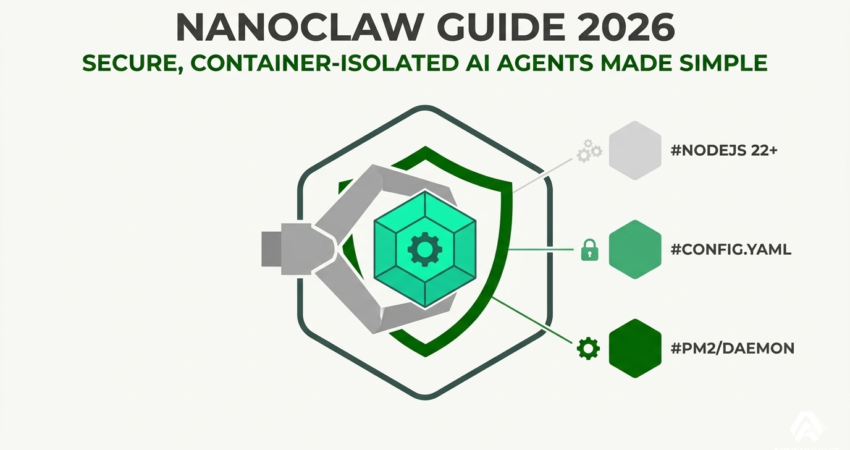
TL;DR / The “Lean” Verdict NanoClaw is the secure, minimalist alternative to bloated AI agent frameworks. With ~700 lines of auditable code, Docker-based isolation, and zero-config deployment via Claude Code, it’s built for teams who refuse to compromise on security. Metric NanoClaw OpenClaw Winner Codebase Size ~700 lines (15 files) ~500,000 lines (2,000+ files) 🟢 […]
Lire PlusZeroClaw vs. OpenClaw: Is the 99% Memory Reduction Actually Real?
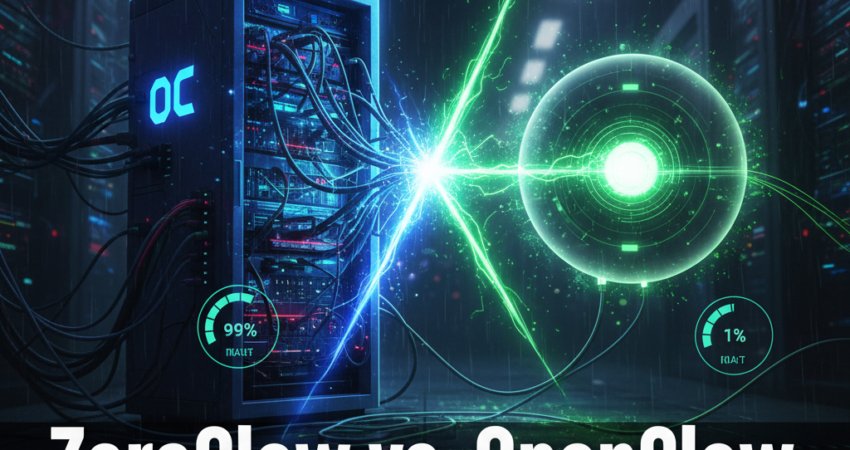
TL;DR: The Snapshot Verdict Metric ZeroClaw OpenClaw Winner Binary Size 5-8 MB 800 MB – 1.2 GB ZeroClaw (99% reduction) RAM Usage (Idle) 12-18 MB 200-400 MB ZeroClaw (95% reduction) Cold Start Time 10-50 ms 5-12 seconds ZeroClaw (100x faster) Skill Ecosystem Limited (20+ tools) Extensive (500+ plugins) OpenClaw Community Support Growing (niche) Mature (established) […]
Lire PlusHow to Setup ZeroClaw: A Simple Guide for Reliable AI Agents
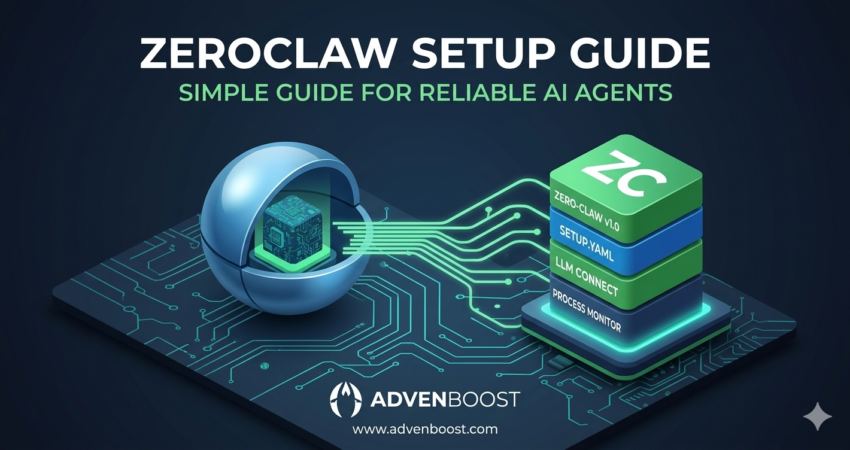
TL;DR ZeroClaw is the minimalist’s answer to bloated agent frameworks in 2026. It gives you lightweight AI orchestration with built-in state snapshots, reasoning trace extraction, and contract-first handoffs—solving the reliability crisis that plagues most agent tutorials. If you want production-grade automation without the complexity of LangChain or CrewAI, this is your blueprint. Introduction: The Agent […]
Lire Plus5 Minimax M2.5 Security Risks (And How to Fix Them)
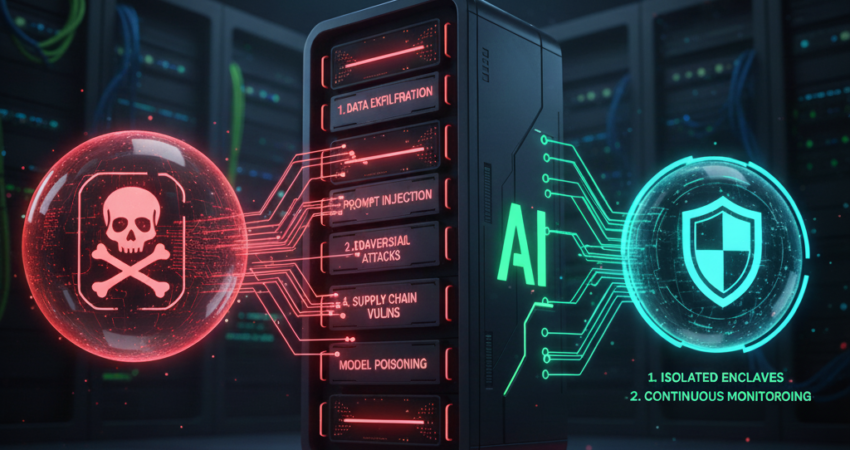
TL;DR: Key Takeaways Minimax M2.5 introduces powerful agentic capabilities—but also serious security gaps. This guide covers: Fix these now to prevent breaches, exfiltration, and lateral movement. What is Minimax M2.5?Minimax M2.5 is a large language model designed for agentic workflows including code generation, tool use, and autonomous task execution. Introduction: The M2.5 Security Paradox Minimax […]
Lire PlusMoltbook AI: How to Build a Production-Ready, Secure Agent Deployment
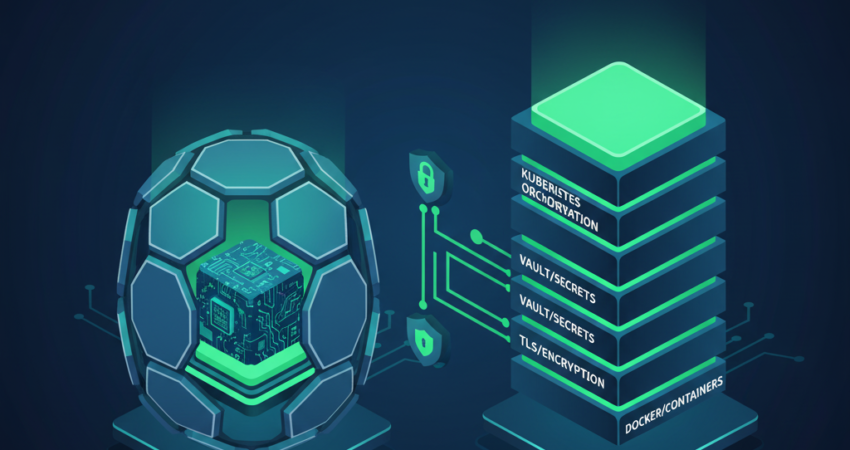
TL;DR — Key Takeaways Moltbook AI is a powerful agentic framework, but its default quickstart configuration has exposed over 1.5 million tokens in production environments due to hardcoded credentials, missing row-level security (RLS), and unrestricted agent execution. This guide shows you how to deploy Moltbook AI using zero-trust principles, ephemeral containers, secrets management, and behavioral […]
Lire PlusKimi K2.5: Is the 1.04T Model Actually Better Than GPT-5.2?

Kimi K2.5 represents a fundamental architectural shift in production AI inference. Consequently, engineers face a critical question: Does the 1.04-trillion-parameter Mixture-of-Experts (MoE) model justify replacing GPT-5.2 in enterprise agent orchestration? The answer reveals uncomfortable truths about API overhead, Swarm latency, and the hidden costs of monolithic reasoning architectures. Specifically, most teams overpay for sequential processing […]
Lire PlusOpenClaw Requirements: What Do You Actually Need to Run It
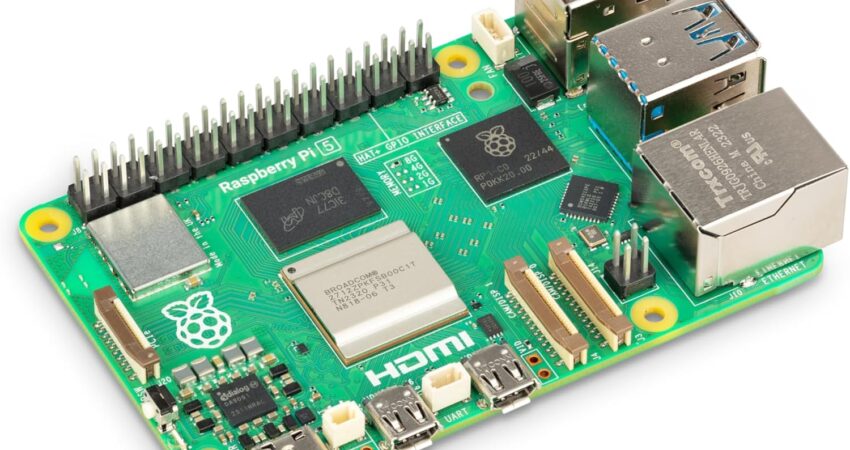
OpenClaw requirements are the first question every developer asks before deploying autonomous AI agents in 2026. You’re not alone in wondering whether your existing hardware can handle a 24/7 AI employee. The honest answer? Most “minimum specs” floating around the web are dangerously outdated. They promise you can run production-grade agentic workflows on 512MB of […]
Lire PlusM2.5 Model: How to Deploy and Optimize for High-Volume Production Workloads

Introduction: The Economic Case for Architectural Efficiency M2.5 Model represents a watershed moment in production AI economics. While legacy providers extract premium margins for marginally differentiated capabilities, MiniMax’s M2.5 architecture delivers state-of-the-art reasoning at a token cost that fundamentally disrupts the LLM pricing paradigm. For CTOs managing seven-figure inference budgets, this isn’t incremental improvement—it’s a […]
Lire PlusMinimax M2.5 API: Powerful New AI That Makes Claude 4.5 Look Expensive

Minimax m2.5 api represents the most significant price-to-performance disruption in the LLM market since GPT-4’s launch. While Anthropic’s Claude 4.5 family dominated early 2025 benchmarks, the astronomical token costs created a paradox: state-of-the-art reasoning remained financially inaccessible for volume applications. However, Minimax changed that equation entirely. Specifically, the Chinese AI lab delivered architectural efficiency that […]
Lire PlusOpenClaw ClawHub: The 2026 Security-First Guide to Agent Skills

OpenClaw ClawHub has become the defining infrastructure of the autonomous agent era, yet most practitioners dangerously underestimate its attack surface. The autonomous agent revolution has arrived, but with it comes a shadow: malicious skill injection, remote code execution, and supply chain attacks that would make traditional DevOps vulnerabilities look quaint. If you’re reading this, you’ve […]
Lire Plus






 English
  French